
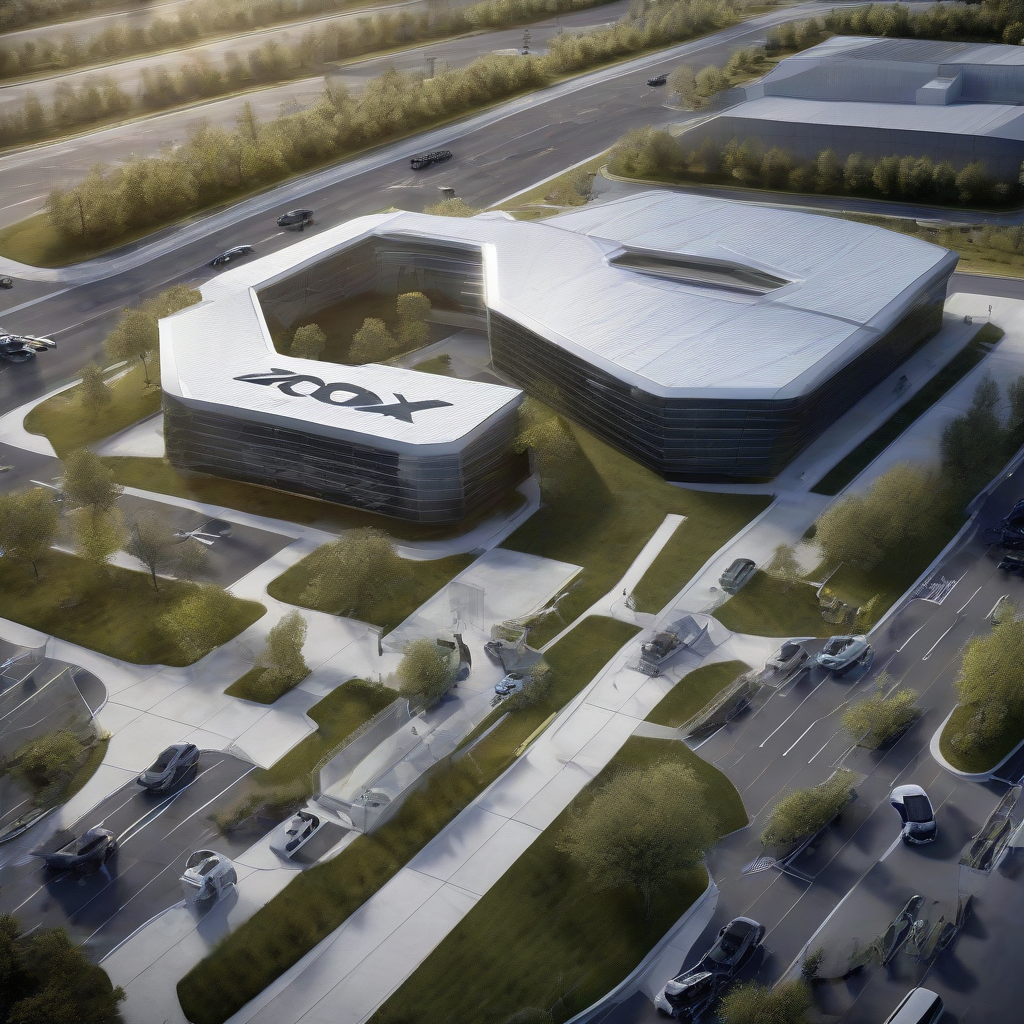
Zoox has officially cleared a significant regulatory barrier in the autonomous vehicle sector, receiving authorization to begin charging passengers for robotaxi services. According to CleanTechnica, this development follows a lengthy testing period during which the company was restricted from collecting fares for its self-driving operations.
The National Highway Traffic Safety Administration (NHTSA) granted approval last week, allowing the company to expand its fleet operations. Under the terms of this regulatory green light, Zoox is permitted to deploy up to 5,000 robotaxis for commercial use. This transition marks a shift from experimental vehicle testing to a functional, revenue-generating service model.
Operational Data
| Category | Specification |
|---|---|
| Regulatory Body | NHTSA |
| Approved Fleet Size | Up to 5,000 units |
| Service Status | Paid passenger transit |
| Approval Timeline | Last week (August 2026) |
Historically, Zoox operated exclusively under research and development frameworks that precluded fare collection. By securing federal clearance, the company is now positioned to integrate its autonomous platform into the broader public transportation ecosystem. The company must maintain compliance with all relevant safety standards as it scales its fleet to meet the 5,000-vehicle capacity limit.
Why It Matters
The transition of robotaxi operators into a fee-based commercial structure represents the maturity phase of autonomous transit. By moving beyond test-bed status, Zoox validates the economic feasibility of driverless mobility. This authorization forces competitors and local municipal governments to accelerate the integration of dedicated autonomous infrastructure, such as curbside management and digital traffic signaling. As the fleet expands toward the 5,000-vehicle cap, the industry will gain critical datasets regarding user adoption rates, maintenance cycles, and the long-term operational costs of deploying fully autonomous, purpose-built robotaxis in active metropolitan environments.
Reader Discussion & Insights