
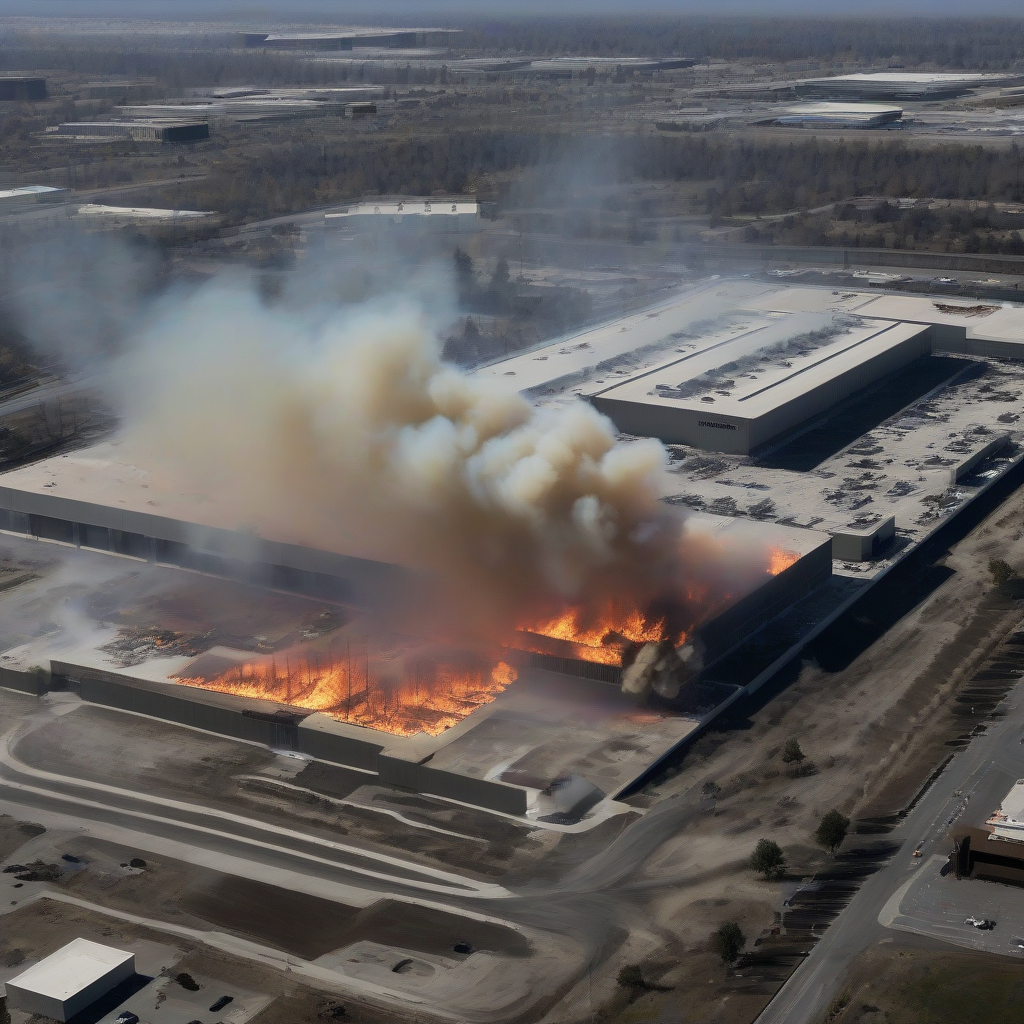

Destructive wildfires currently impacting Spokane, Washington, and regions in Europe and Canada serve as a persistent reminder of the growing risks associated with extreme weather patterns. According to Axios, while wildfires have long been part of the natural environment, the combination of elevated temperatures and drier vegetation is producing larger, more high-intensity events.
Climate scientist Daniel Swain, during a virtual presentation on Monday, noted that the frequency of these catastrophic fire events has been consistent over the last 10 years. In addition to the ongoing situation in Spokane, fires are currently reported in the Bordeaux region of France, outside Madrid, and across British Columbia.
Historical Impact of Major Wildfires
| Year | Location | Event |
|---|---|---|
| 1991 | Spokane, WA | Historic Wildfire |
| 2016 | Fort McMurray, AB | Catastrophic Fire |
| 2017 | Santa Rosa, CA | Catastrophic Fire |
| 2018 | Paradise, CA | Catastrophic Fire |
| 2019-20 | Australia | Black Summer |
| 2020 | Portland, OR | Labor Day Fires |
| 2021 | Louisville/Superior, CO | Suburban Fires |
| 2023 | Lahaina, HI | Catastrophic Fire |
| 2025 | Pacific Palisades, CA | Catastrophic Fire |
Firas Saleh, director of wildfire models at Moody's, stated that while fire patterns may appear random, they are predictable from a risk perspective. The convergence of hotter temperatures, extended fire seasons, and the expansion of residential development into fire-prone zones are primary drivers. Ecologist Susan Prichard from the University of Washington noted the difficulty in managing public perception regarding climate attribution, given the immediate urgency felt by residents during evacuation events.
Why It Matters
The rising frequency of wildfire events poses a significant challenge to the insurance and real estate sectors. As development continues to push into fire-adjacent areas, the financial liability for developers and insurers increases. Long-term, this will likely lead to a restructuring of risk assessment models and potentially render certain geographic zones uninsurable. Furthermore, the volatility of these assets may force a shift in municipal urban planning, where local governments must weigh property tax expansion against the high costs of infrastructure protection and wildfire suppression efforts. Expect stricter building codes in future development cycles.
Reader Discussion & Insights