
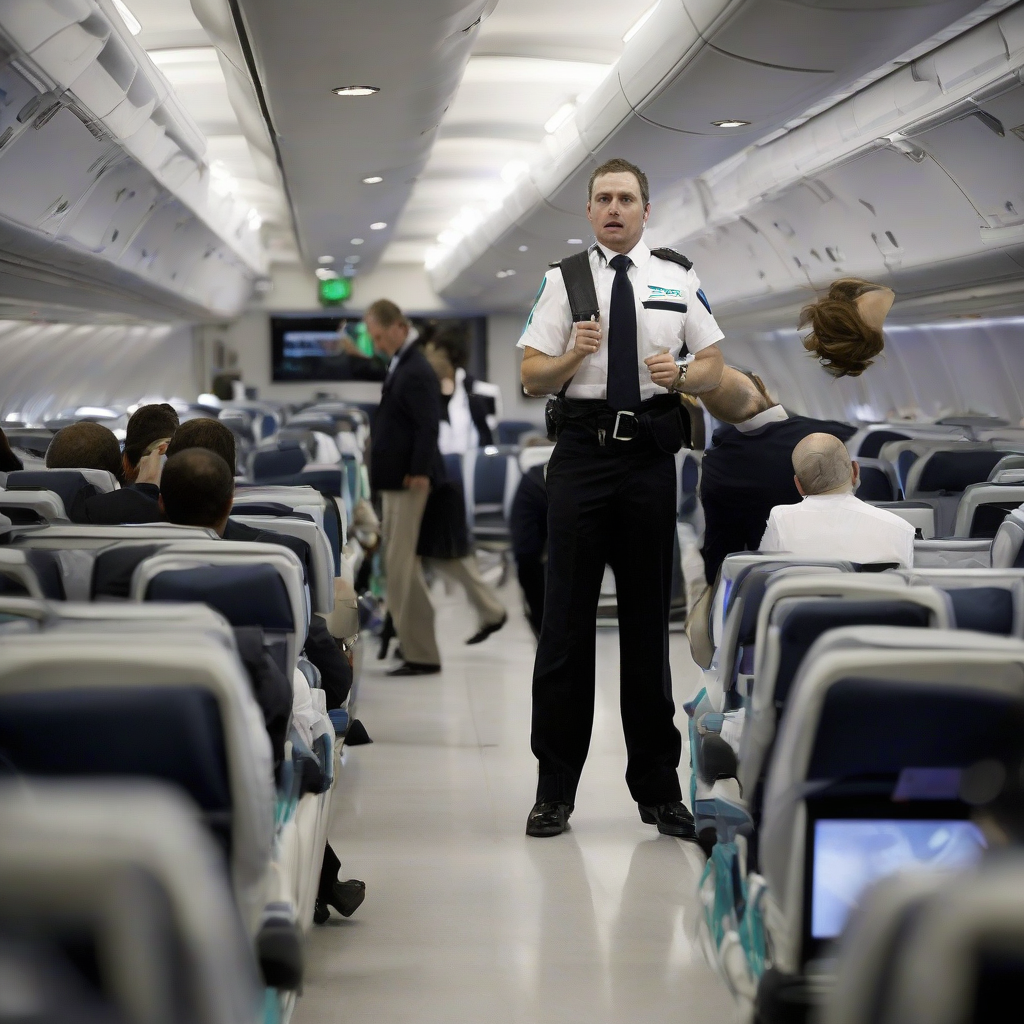
WestJet is currently in the process of restoring standard flight operations following a one-day work stoppage by its mainline cabin crew. According to Aviation Source News, the disruption concluded after the carrier and the Canadian Union of Public Employees (CUPE) reached a tentative labor agreement. Both the airline and the union have formally withdrawn their respective strike and lockout notices.
The work stoppage occurred during a peak travel window, resulting in the cancellation of hundreds of flights. Industry data indicates that the labor action impacted approximately 250,000 passengers. While the airline has initiated recovery protocols to return aircraft and personnel to their proper positions, management has cautioned that scheduling irregularities may persist for several days.
| Key Operational Figures | Data |
|---|---|
| Impacted Passengers | 250,000 |
| Strike Duration | 1 Day |
| Ratification Deadline | 30 Days |
The specific terms of the deal remain confidential until a pending membership vote is finalized. However, local CUPE leadership noted that the agreement addresses long-standing concerns regarding the carrier's flight credit system. Cabin crew members have historically advocated for better recognition of ground-based duties—such as boarding, safety briefings, and delay management—which were previously under-compensated compared to airborne time. The new framework expands the definition of total duty time for compensation purposes.
WestJet CEO Alexis von Hoensbroech characterized the agreement as a recognition of the cabin crew's professional contributions. The negotiations were concluded independently without the involvement of federal government intervention. CUPE officials confirmed the bargaining committee intends to move forward with a ratification vote within 30 days.
Why It Matters
The resolution of this labor dispute highlights the growing pressure on airline business models to modernize legacy pay structures. By shifting away from purely flight-hour-based compensation toward a model that encompasses total duty time, WestJet is setting a precedent that may trigger similar demands across the North American aviation sector. As labor shortages continue to impact the aviation industry, carriers must balance the fiscal necessity of cost control with the operational requirement of retaining experienced personnel. This development suggests that airlines will increasingly face demands for transparency in how non-flying ground tasks are valued in future collective bargaining agreements.
Reader Discussion & Insights