
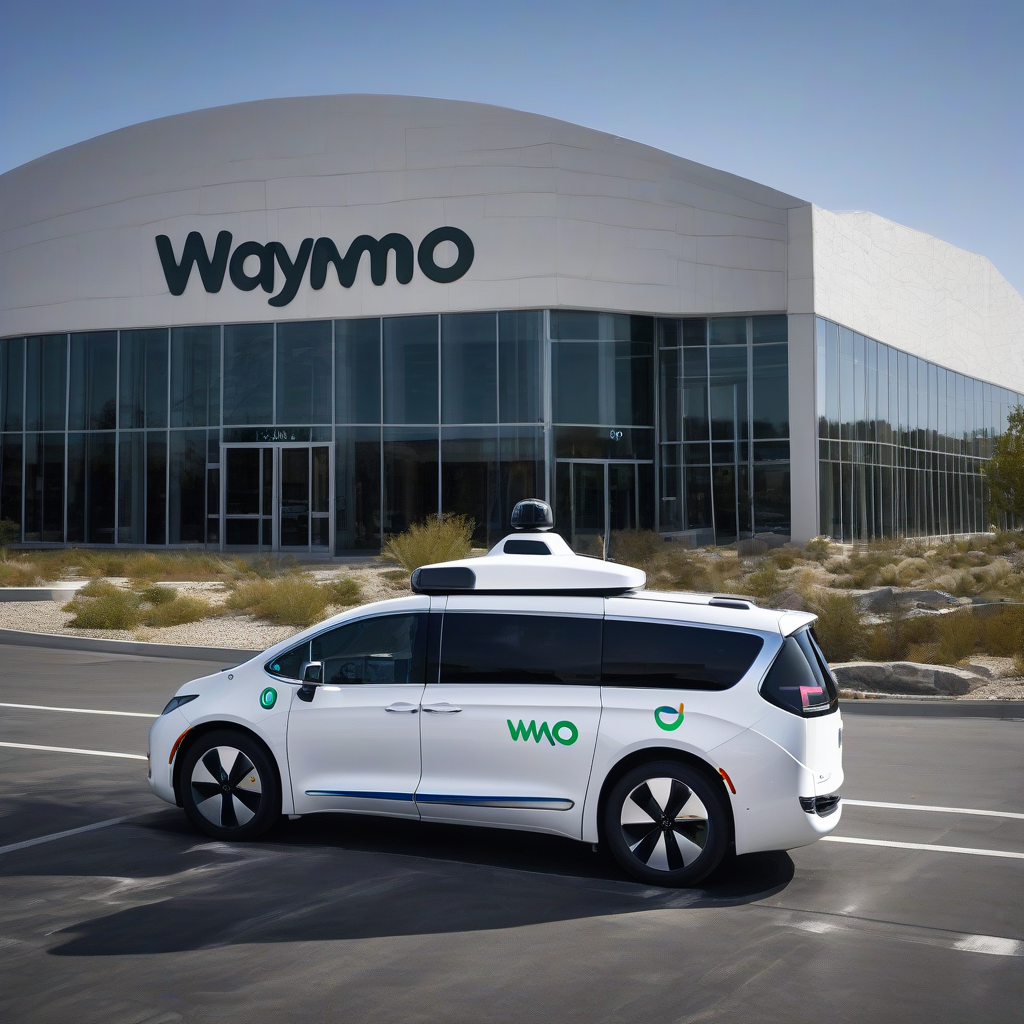
Waymo's chief executive has formally stated that camera-only systems are inadequate for supporting the requirements of fully autonomous driving, according to Autonomous Driving. This position highlights a growing divide in technical strategy among developers of self-driving vehicle systems, contrasting with organizations that prioritize optical sensors as the primary or exclusive method for navigation.
The leadership at Waymo maintains that a comprehensive sensor suite—including LiDAR, radar, and multiple cameras—is required to ensure safe operation. The firm contends that the redundancy provided by these varied inputs is necessary to handle unpredictable real-world driving conditions, which they argue a vision-based system cannot manage reliably on its own.
Sensor System Comparison
| Sensor Type | Role in Autonomous Driving | Industry Standard Perspective |
|---|---|---|
| LiDAR | Depth perception and 3D mapping | Essential for spatial accuracy |
| Radar | Velocity and distance sensing | Operational in low visibility |
| Camera | Color and sign recognition | Limited in depth estimation |
Why It Matters
The insistence on a multi-modal sensor approach represents a significant capital expenditure challenge for the sector. While camera-only systems offer a lower bill of materials, potentially accelerating mass-market adoption, the safety concerns raised by Waymo underscore the ongoing friction between cost optimization and the rigorous testing standards required for regulatory approval. If major players continue to reject pure vision-based systems, the industry may see a bifurcated path where affordable consumer autonomous features diverge sharply from high-reliability commercial robotaxi deployments, influencing future safety mandates from transportation regulators.
Reader Discussion & Insights