
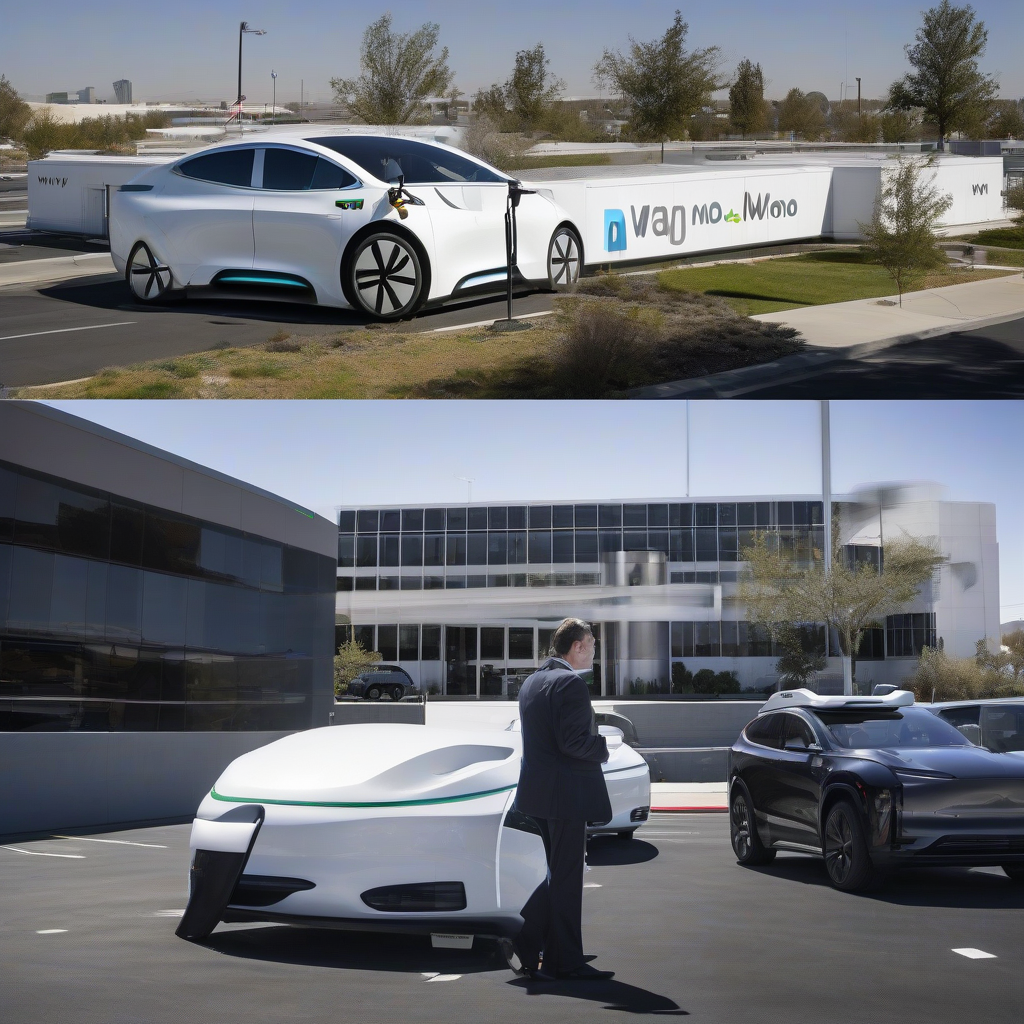
Waymo co-CEO Dmitri Dolgov has publicly challenged the efficacy of camera-only sensor suites in autonomous vehicle development. According to Electrek, Dolgov asserts that relying exclusively on optical sensors results in a fundamental sensing deficiency, preventing these systems from achieving the reliability required for true superhuman performance. While Dolgov did not explicitly name Tesla, his critique directly targets the manufacturer’s primary strategic reliance on vision-based systems for its self-driving technology.
Dolgov argues that current hardware configurations limited to cameras suffer from a lower performance threshold. By failing to integrate diverse sensor inputs, such as LiDAR or radar, these systems face a physical limit on how they interpret complex environmental variables. This technical debate is central to the broader development of Level 4 and Level 5 autonomous driving systems, which require redundant data streams to handle edge cases in diverse weather and lighting conditions.
Technical Sensor Comparison
| Sensor Type | Function | Strengths | Limitations |
|---|---|---|---|
| Camera | Visual detection | Color/text recognition | Poor depth/lighting range |
| LiDAR | Laser pulses | Precise 3D mapping | Cost and weather interference |
| Radar | Radio waves | Speed/range detection | Lower resolution mapping |
These comments arrive as industry regulators continue to scrutinize the safety metrics of driver-assist features. While Waymo utilizes a multi-modal sensor fusion approach, companies opting for camera-only architectures must demonstrate that their software algorithms can compensate for the lack of depth-sensing redundancy. The debate remains a focal point for the National Highway Traffic Safety Administration (NHTSA) as they establish standards for automated driving systems.
Why It Matters
The divergence between sensor-fusion strategies and vision-only approaches represents the primary ideological divide in the automotive industry. If the safety ceiling identified by Waymo holds true, automakers relying exclusively on cameras may face long-term regulatory hurdles or significant cost increases if they are eventually forced to retrofit vehicles with LiDAR or radar to satisfy safety mandates. This pivot would impact billions in capital expenditure and could significantly alter the production timelines for autonomous fleets currently operating on public roads.
Reader Discussion & Insights