
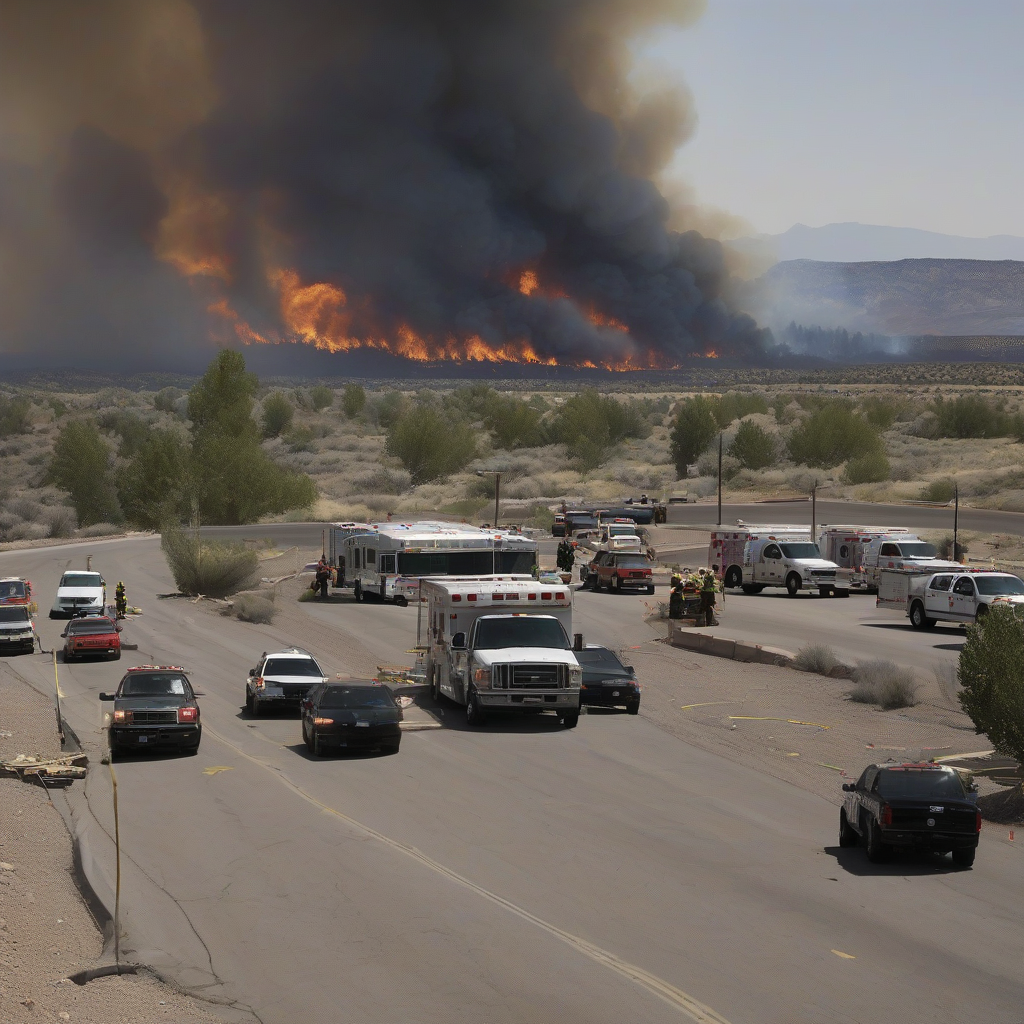

Utah is currently managing a record-setting wildfire season, characterized by severe environmental conditions that have challenged emergency response operations across the state. According to Phys.org, the state dealt with the occurrence of two historic wildfires burning simultaneously early last month, a development that underscores the severity of the current fire activity in the Beehive State.
These concurrent events have placed immense strain on local and regional fire suppression resources. The 2026 season has been noted for its persistence, with high temperatures and arid conditions contributing to conditions that allow blazes to expand rapidly. While specific acreage and containment figures are dynamic, the simultaneity of these incidents represents a peak in an already active calendar year for fire management agencies.
| Event Metric | Status/Observation |
|---|---|
| 2026 Season Status | Record-setting |
| Simultaneous Events | 2 major wildfires |
| Reporting Period | Early last month |
Official monitoring from agencies responsible for land and fire management continues to track the trajectory of the fires. These entities are utilizing satellite data and ground-level intelligence to assess the long-term impact of the season on state infrastructure and ecosystem health.
Why It Matters
The 2026 fire season in Utah highlights the growing demand for advanced predictive analytics in disaster management. As wildfire events become more frequent and overlap in time, the industry is seeing a shift toward AI-driven resource allocation. Companies providing automated threat detection and logistics software are gaining prominence as public agencies move away from reactive strategies. This trend implies a long-term shift in municipal and state procurement, favoring automated monitoring tools that can process multi-site data in real-time, moving beyond traditional manual surveillance methods to optimize the deployment of limited personnel.
Reader Discussion & Insights