
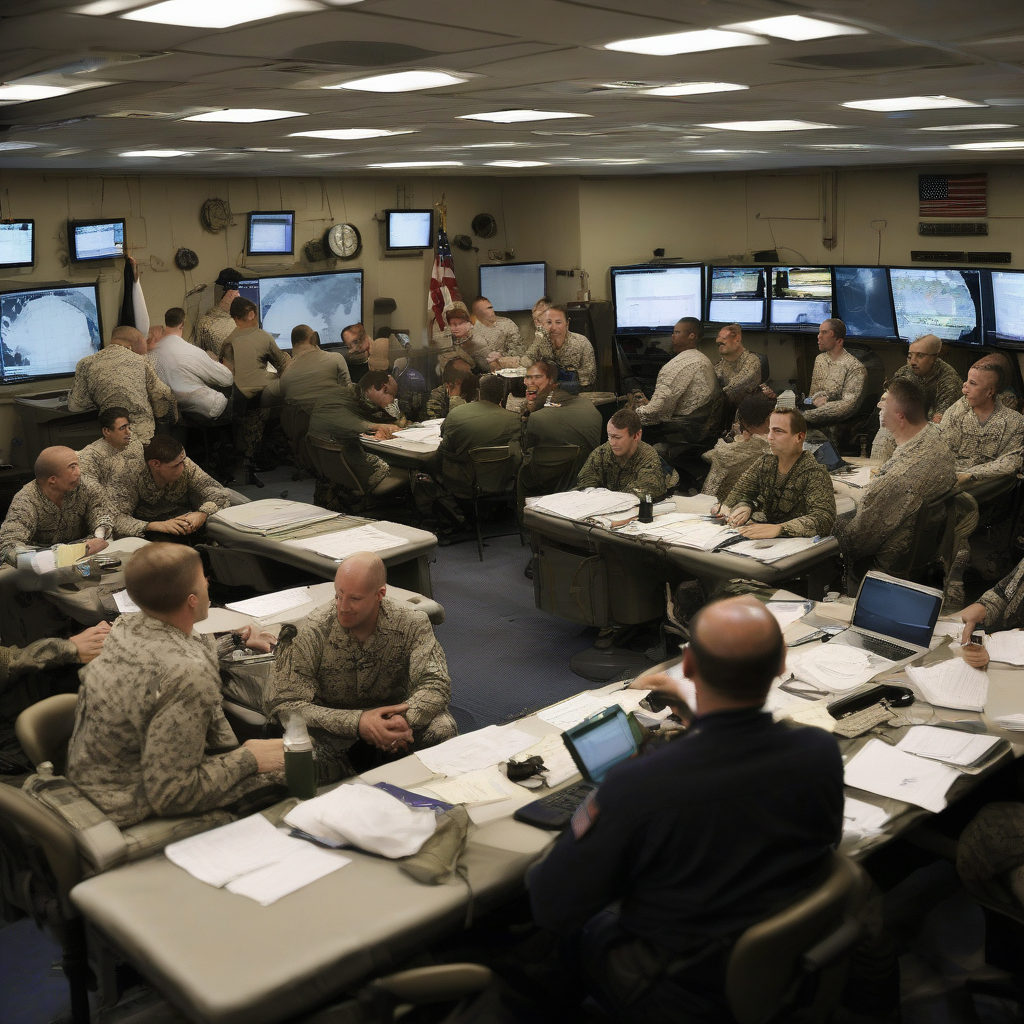

According to Hacker News Front Page, personnel serving aboard the USS Lincoln stationed near Iran are reporting severe challenges regarding crew morale and the availability of basic resources. These reports emerge as the naval vessel maintains its operational presence in the region, highlighting the physical and psychological strain on the service members involved in current maritime security deployments.
Specific reports from the ship indicate that the crew is grappling with food shortages and general exhaustion, which has prompted concerns regarding the operational readiness and long-term sustainability of such lengthy deployment cycles. While official military spokespeople often emphasize the resilience of the fleet, the internal accounts suggest that the high operational tempo is affecting the daily lives of the sailors and Marines assigned to the carrier strike group.
Operational Data Summary
| Metric | Status | Reported Context |
|---|---|---|
| Source Platform | Hacker News | 14 Points / 2 Comments |
| Primary Location | Iran Perimeter | Operational Deployment |
| Primary Concerns | Food Supply | Resource Shortages |
| Personnel Status | Exhausted | Morale Challenges |
The U.S. Navy typically manages these deployment cycles through rigid schedules set by the Department of Defense. However, the intersection of extended deployments and global security obligations often places a heavy burden on human infrastructure. Unlike maintenance cycles for hardware, personnel capacity is finite, and sustained stress can lead to decreased retention and readiness degradation over extended periods at sea.
Why It Matters
The broader defense industrial base relies on the assumption that human capital can be maintained at high readiness levels indefinitely. When morale issues arise, it creates hidden costs for the Department of Defense, specifically regarding the long-term retention of skilled technical personnel. As naval logistics become increasingly complex, the inability to provide basic quality-of-life necessities—such as consistent food supplies—serves as a bottleneck for mission success. This scenario demonstrates that even advanced military platforms are vulnerable to internal operational failures, which can act as a catalyst for policy shifts regarding deployment frequency and force structure planning.
Reader Discussion & Insights