
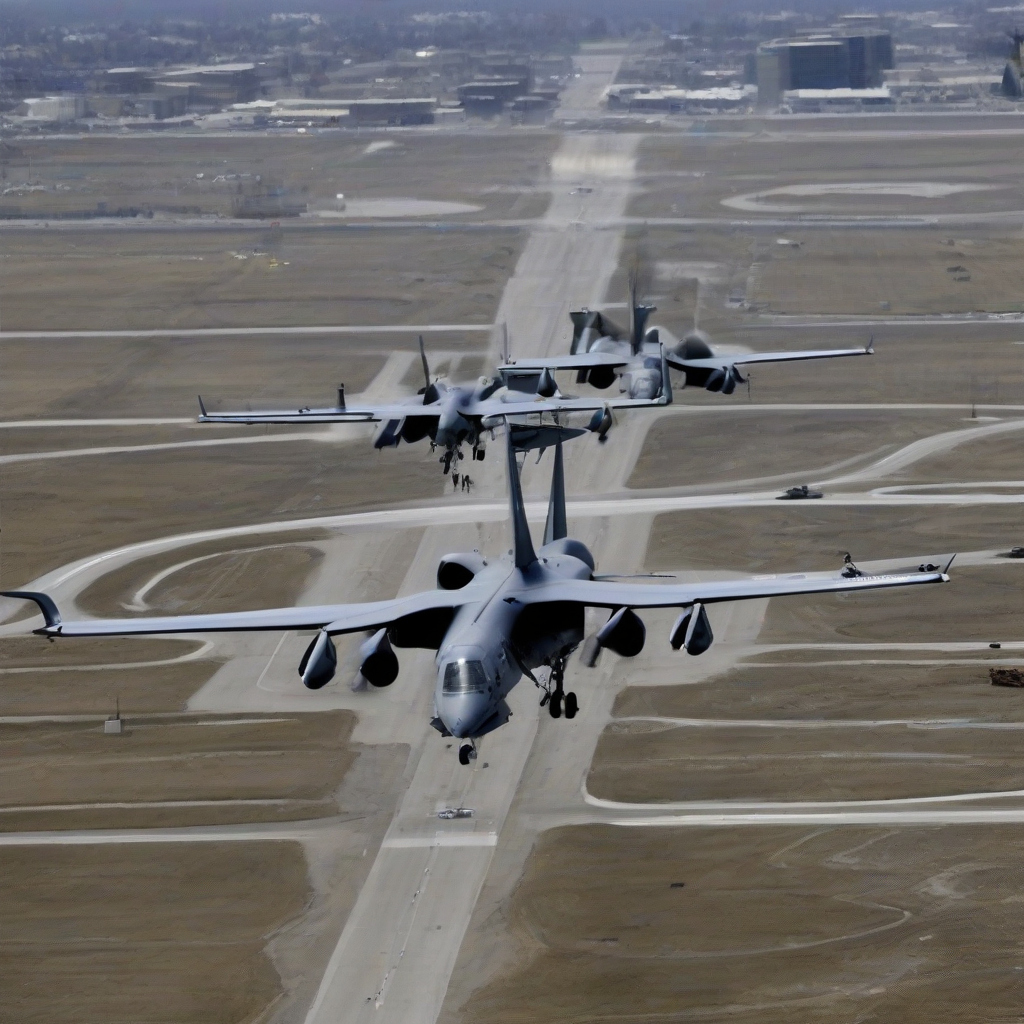
The U.S. Navy is shifting its aerial warfare strategy by soliciting proposals for a new, uncrewed aircraft platform designed to extend the reach of its carrier air wings. According to The Air Current, the service issued a request for information (RFI) on July 14, seeking industry input on a high-end, multi-role aircraft capable of operating in contested environments against sophisticated long-range counter-air weapon systems.
Program Specifications and Scope
The initiative focuses on developing either a single, highly capable multi-role platform or a family of specialized, single-role uncrewed vehicles. The primary goal is to address the geographic realities of the Indo-Pacific theater, where the reach of existing carrier-based assets is currently being tested by regional military expansion. The following table summarizes the key parameters of the ongoing inquiry.
| Attribute | Detail |
|---|---|
| Issuance Date | July 14 |
| Primary Objective | Ultra-long-range strike capability |
| Operational Concept | Uncrewed aerial vehicle (UAV) |
| Mission Focus | Indo-Pacific theater defense |
| Platform Architecture | Multi-role or family of single-role |
By moving toward uncrewed systems, the Navy aims to maintain air dominance without risking pilot safety in high-threat zones. The RFI represents an effort to integrate these systems into the fleet's broader defensive and offensive posture, ensuring that carrier strike groups can maintain effective engagement ranges in the face of adversary anti-access, area-denial (A2/AD) capabilities.
Why It Matters
This procurement shift signals a move away from the traditional model of relying exclusively on manned aircraft for high-risk missions. By exploring uncrewed, long-range strike platforms, the Navy is effectively decoupling the human element from the most dangerous penetration missions. This move likely necessitates a complete redesign of carrier deck operations and data-link management. It also forces traditional prime contractors to demonstrate advanced autonomous capabilities that can perform in environments where GPS and satellite communication links may be compromised by electronic warfare countermeasures.
Reader Discussion & Insights