
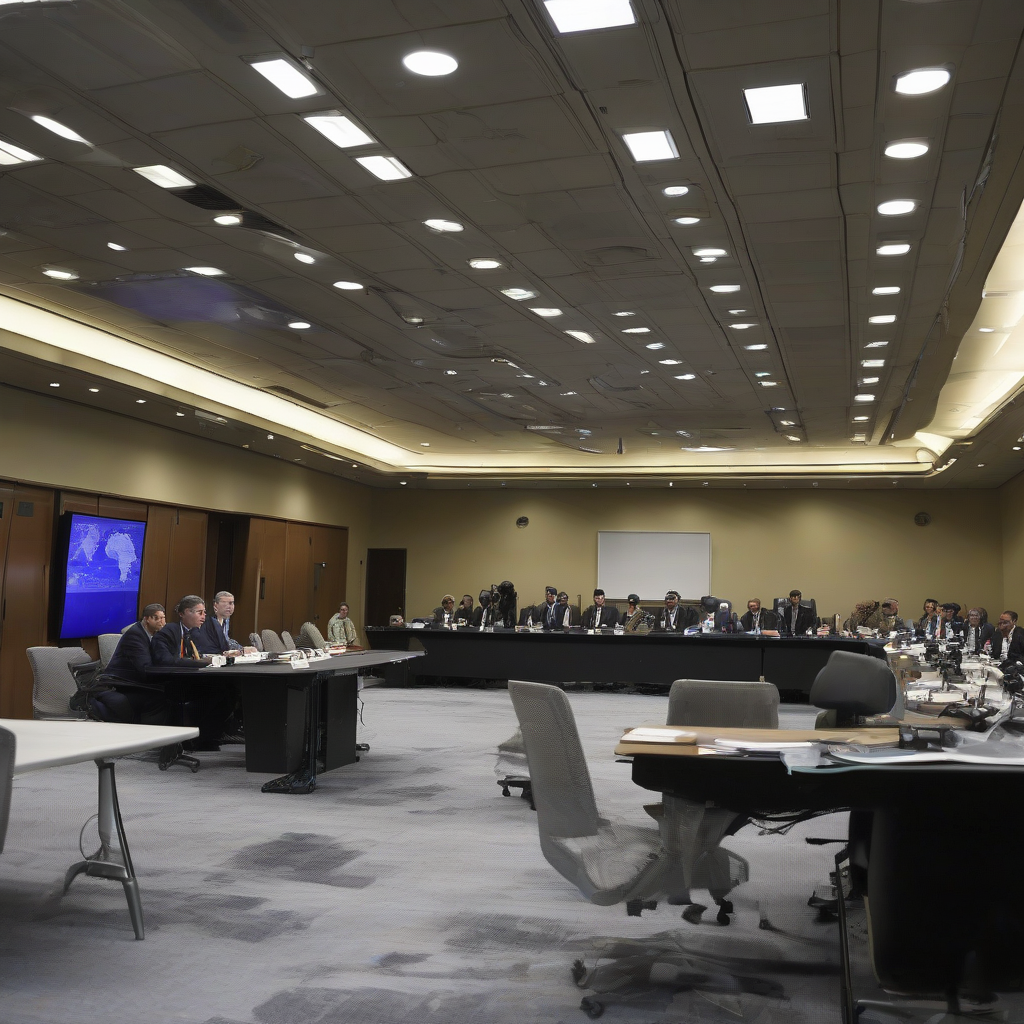

The United States, Iran, and Oman are finalizing a temporary agreement to reopen the Strait of Hormuz, according to Al Jazeera. This development follows recent signals from U.S. leadership indicating that the current hostilities cannot persist for an extended period, suggesting an imminent shift toward diplomatic resolution in the region.
While specific details regarding the duration or terms of the agreement have not been finalized, the tripartite discussions involve a significant focus on maritime stability. The Strait of Hormuz serves as a primary artery for global energy markets, and the current volatility has necessitated urgent intervention by regional mediators, specifically Oman.
Current Negotiating Parties and Strategic Roles
| Country | Primary Role in Negotiations |
|---|---|
| United States | Direct negotiator, key maritime interest |
| Iran | Party to regional conflict, maritime control |
| Oman | Diplomatic facilitator and regional mediator |
The involvement of the U.S. executive branch in these negotiations reflects a broader effort to mitigate economic instability caused by restricted maritime transit. Official communications from the White House suggest that the geopolitical situation is reaching a threshold where diplomatic concessions become a prioritized necessity over continued confrontation.
Why It Matters
The potential reopening of the Strait of Hormuz represents a stabilization event for the global energy supply chain. As a critical chokepoint, any disruption here impacts insurance premiums for tankers, global oil prices, and downstream manufacturing costs across the EU and US. An agreement would likely reduce the risk premium currently baked into global energy markets, providing a signal of reduced volatility. From a logistics and energy security standpoint, this deal would facilitate the resumption of standard commercial shipping volumes, preventing long-term logistical backlogs that threaten to inflate import costs for raw materials.
Regulatory monitoring remains essential as the situation evolves. Stakeholders in the logistics and energy sectors should observe subsequent filings from regional maritime authorities to confirm the full cessation of hostilities. While the talks are currently framed as a temporary measure, they provide the necessary breathing room for more durable diplomatic frameworks to take shape, potentially stabilizing the primary maritime corridors used by global industry for energy transport.
Reader Discussion & Insights