
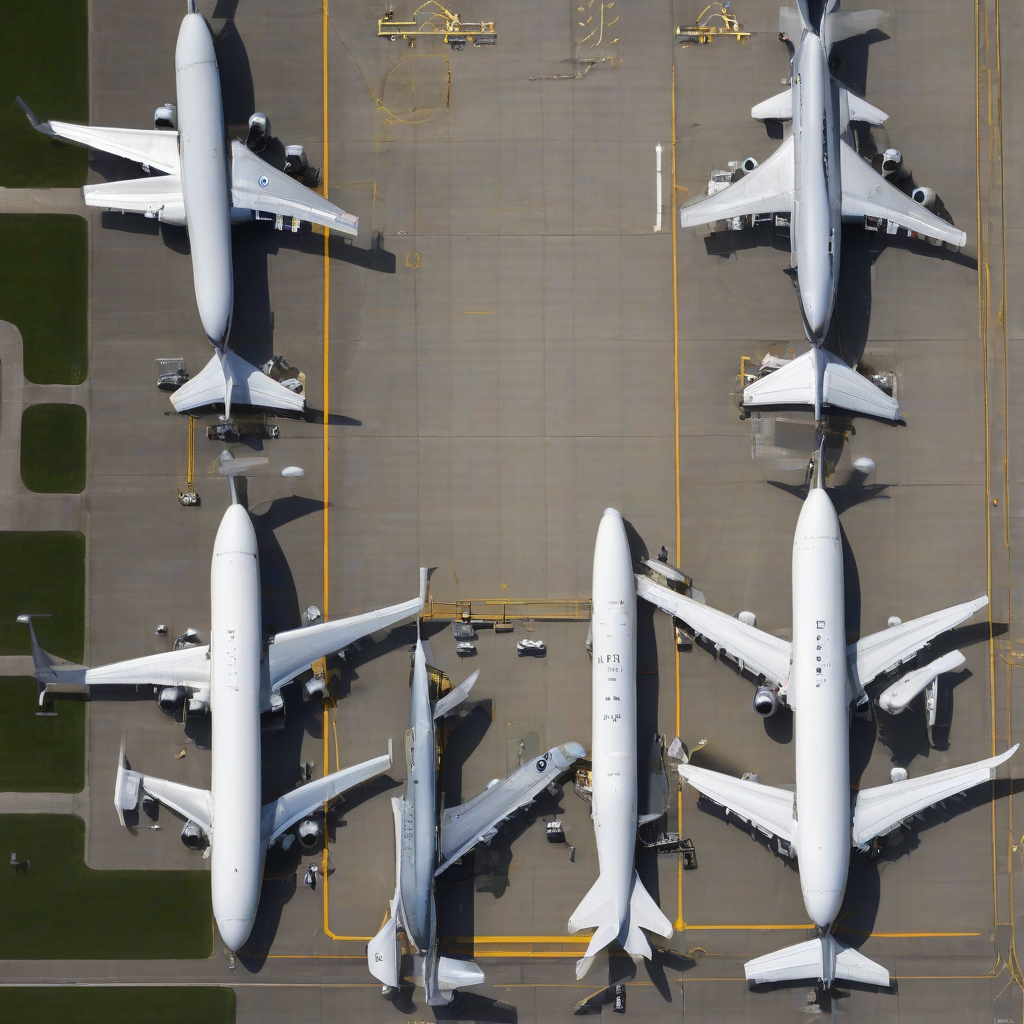

Flight operations across the United States experienced significant instability today as a high volume of air travel was disrupted. According to Airport Disruptions Tracker, carriers were forced to contend with 1,579 delayed flights and 128 full cancellations, affecting schedules at various domestic terminals.
Operational Data Overview
The following table summarizes the flight status metrics as reported by industry tracking services:
| Metric | Count |
|---|---|
| Total Flight Delays | 1,579 |
| Total Flight Cancellations | 128 |
These disruptions arrive at a time when the Federal Aviation Administration (FAA) continues to monitor airspace capacity and staffing levels at major regional control centers. While the precise cause of these specific bottlenecks varies by airport, the sheer volume of delayed traffic often triggers a ripple effect, forcing airlines to ground flights to maintain safety margins and meet crew duty-time limitations under federal regulations.
Why It Matters
The frequency of large-scale flight interruptions highlights the fragility of current hub-and-spoke airline architectures in the United States. When 1,579 flights are delayed in a single period, it suggests that the National Airspace System is operating near its capacity limit. This level of congestion forces airlines to absorb massive costs related to rebooking, passenger compensation, and inefficient fuel burn from holding patterns. If these operational gaps remain, the industry may face increased regulatory scrutiny from the Department of Transportation regarding consumer protection and schedule reliability standards.
Reader Discussion & Insights