
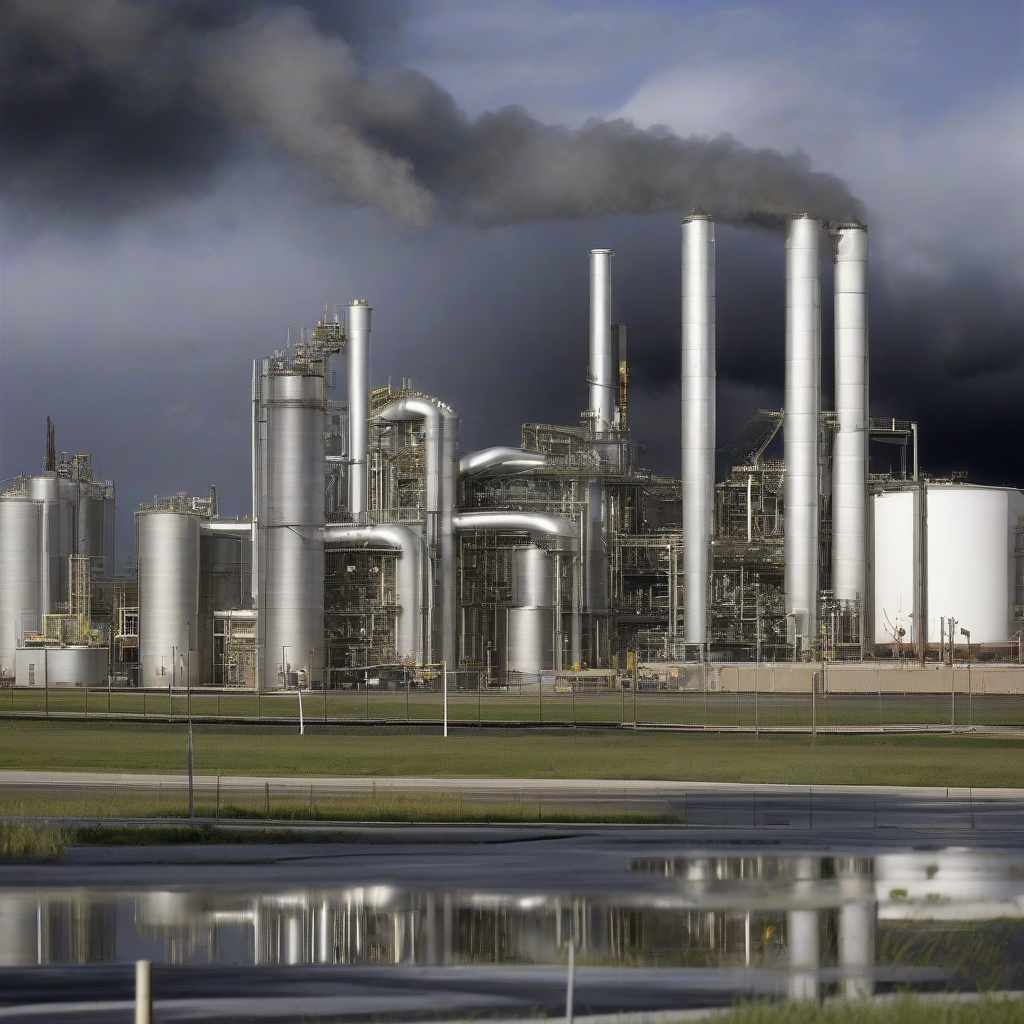

Domestic ethanol production capacity experienced a slight uptick in May, according to the EIA. This movement in the market contrasts with the biodiesel and renewable diesel sectors, both of which maintained steady production levels throughout the same monthly reporting period.
The EIA data indicates that the shift in ethanol capacity reflects ongoing adjustments within the domestic biofuel supply chain. While ethanol capacity saw growth, the stability observed in the biodiesel and renewable diesel segments suggests that producers in those categories are currently holding production infrastructure constant. This status quo is consistent with the latest regulatory tracking provided by the agency's monitoring of liquid fuel facilities.
Production Capacity Overview
The following table summarizes the capacity trends reported for the month of May:
| Fuel Type | Capacity Trend (May) |
|---|---|
| Ethanol | Increased |
| Biodiesel | Steady |
| Renewable Diesel | Steady |
Official tracking from the EIA serves as the primary indicator for these fluctuations. The agency monitors plant-level operations to report on total nameplate capacity across the United States. These figures are analyzed by market participants to forecast feedstocks requirements and blending mandates that influence the broader liquid energy markets.
Why It Matters
The stabilization of biodiesel and renewable diesel capacities, paired with slight growth in ethanol, highlights a maturing biofuel industry focused on operational efficiency rather than aggressive infrastructure expansion. For energy investors, this plateau indicates that current facilities are likely operating within their target parameters to meet existing Renewable Fuel Standard (RFS) requirements. Any significant deviation in future months could signal shifts in raw material costs, such as soy oil or corn prices, or changes in policy incentives that drive facility investment cycles in the United States.
Reader Discussion & Insights