
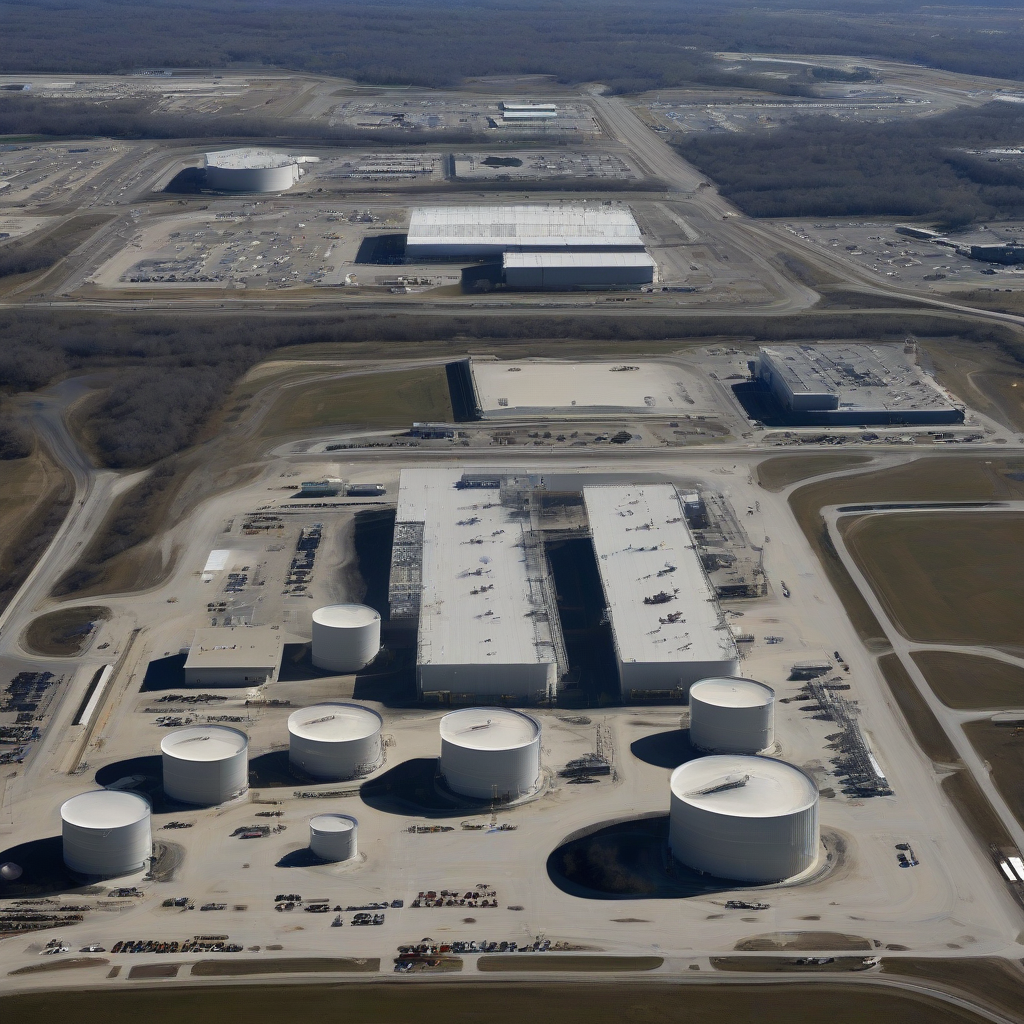
According to OilPrice.com, the American Petroleum Institute (API) reported a significant build in United States crude oil inventories for the week ending July 30. Contrary to market analyst expectations, which had projected a drawdown of 2 million barrels, the data indicates an actual inventory increase of 2.69 million barrels.
This shift follows a previous reporting period that saw a decline of 3.3 million barrels. When viewing broader trends, API data reveals that commercial crude oil inventories—excluding the Strategic Petroleum Reserve (SPR)—have experienced a net reduction of just over 58 million barrels during the preceding sixteen-week span. For the calendar year to date, US crude inventories show a total decline of 7.2 million barrels, a figure that has been tempered by periodic releases from the SPR.
Inventory Performance Summary
| Metric | Change (Barrels) |
|---|---|
| Week Ending July 30 Inventory Build | +2,690,000 |
| Prior Week Inventory Draw | -3,300,000 |
| Sixteen-Week Commercial Draw (Ex-SPR) | -58,000,000 |
| Year-to-Date Inventory Change | -7,200,000 |
Why It Matters
This inventory build suggests a potential disconnect between supply-side realities and market sentiment regarding diplomatic developments. While news of a potential peace deal in Washington often exerts downward pressure on oil prices by reducing geopolitical risk premiums, a physical build in inventories indicates that demand may not be keeping pace with supply at current price points. Monitoring these inventory discrepancies is essential for understanding how the global energy market balances production surplus against geopolitical instability. If the trend of build-ups continues, it may force producers to reconsider output levels regardless of diplomatic headlines.
Reader Discussion & Insights