
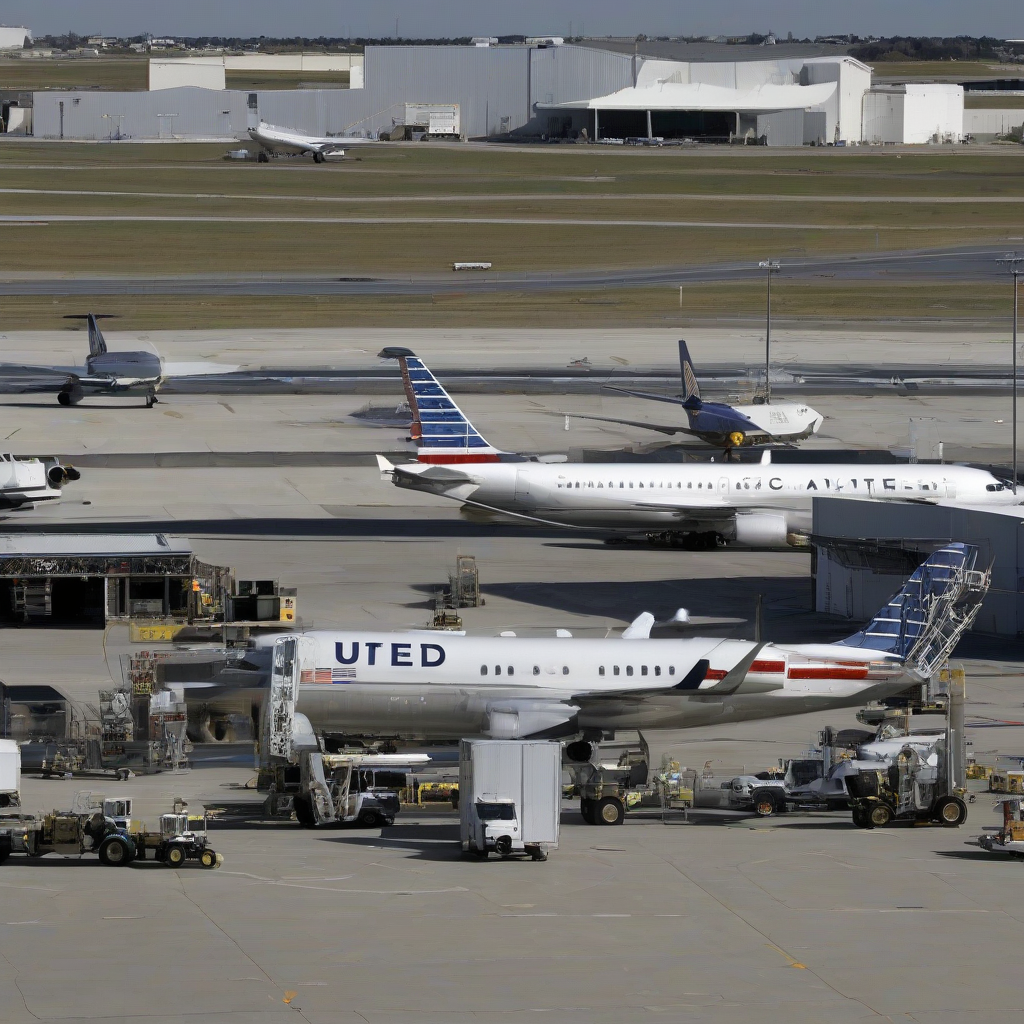

A significant wave of flight interruptions impacted the U.S. aviation network, with data confirming 1,218 flight delays and 50 total cancellations. According to Airport Disruptions Tracker, these systemic issues reflect operational challenges currently affecting domestic air travel throughput.
Operational Data Breakdown
The following table outlines the current status of flight activity as reported in the most recent monitoring cycle:
| Category | Count |
|---|---|
| Total Flights Delayed | 1,218 |
| Total Flights Canceled | 50 |
These disruptions arrive at a time when the Federal Aviation Administration (FAA) and commercial air carriers remain under intense scrutiny regarding their ability to manage scheduling volatility. While the source of these specific delays was not limited to a single geographic area, the volume suggests a widespread strain on air traffic flow management.
Context and Regulatory Oversight
Under current U.S. Department of Transportation (DOT) guidelines, airlines are required to provide compensation or rebooking options for controllable cancellations. However, non-controllable factors—such as weather or air traffic control staffing—frequently complicate these mandates. Passengers are encouraged to cross-reference their flight status with both their respective airline portals and the FAA’s Air Traffic Control System Command Center website before heading to the airport.
Why It Matters
This incident highlights the fragility of the U.S. air transport infrastructure when faced with even moderate operational pressure. Beyond the immediate inconvenience to travelers, such disruptions create a cascading economic ripple effect. Airlines face increased costs due to crew repositioning and passenger accommodation expenses, while business productivity dips as travelers are stranded. As the industry continues to recover from historic staffing shortages, the threshold for systemic failure remains low, forcing carriers to balance aggressive scheduling with the realities of an increasingly overtaxed national airspace. Long-term investment in next-generation radar systems and air traffic controller recruitment remains a primary industry requirement.
Reader Discussion & Insights