
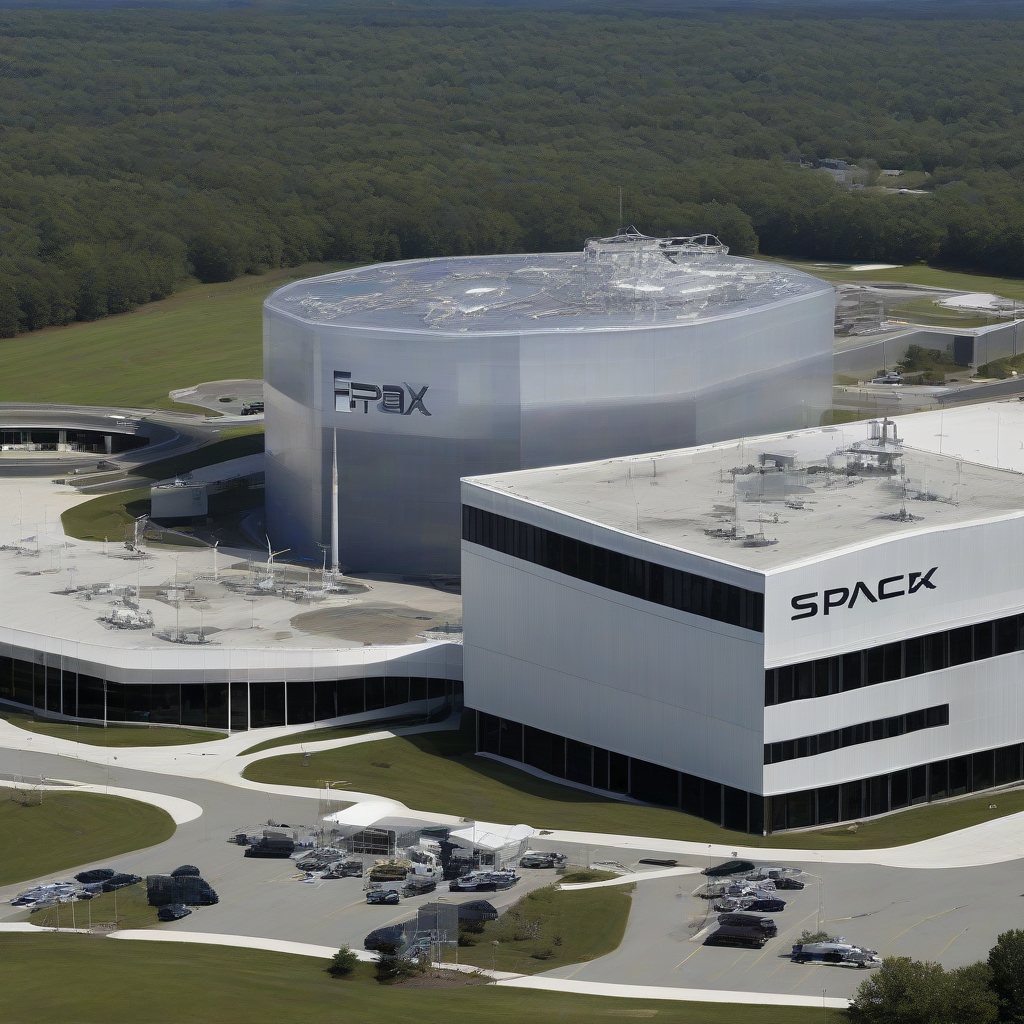
According to IPO News, University of Rhode Island (URI) business faculty members are currently assessing the economic viability and public offering prospects for high-valuation private firms, specifically focusing on "financial unicorns" such as SpaceX and the artificial intelligence startup Anthropic. The analysis explores the criteria that define these entities and the operational shifts required to transition from private ownership to a publicly traded status.
The discussion centers on the valuation metrics applied to technology firms that command significant market interest but have not yet undergone the regulatory scrutiny associated with the U.S. Securities and Exchange Commission (SEC) public filing process. While SpaceX maintains its focus on aerospace logistics and satellite infrastructure, Anthropic operates within the competitive field of generative artificial intelligence, both of which are sectors traditionally monitored for initial public offering (IPO) activity.
Financial Valuation Comparison
| Entity | Primary Sector | IPO Status | Market Context |
|---|---|---|---|
| SpaceX | Aerospace | Private | High Valuation |
| Anthropic | AI | Private | High Valuation |
Why It Matters
The potential entry of industry leaders like SpaceX and Anthropic into the public market signifies a transition for capital-intensive sectors. For investors, these "financial unicorns" represent a shift in the IPO pipeline where massive private funding rounds often delay public debuts. If these firms proceed with SEC filings, the increased transparency regarding their operational costs and revenue models will provide a benchmark for the broader technology sector. This development may dictate future institutional investor appetite for private equity alternatives and long-term liquidity strategies for stakeholders in nascent technology enterprises.
Reader Discussion & Insights