
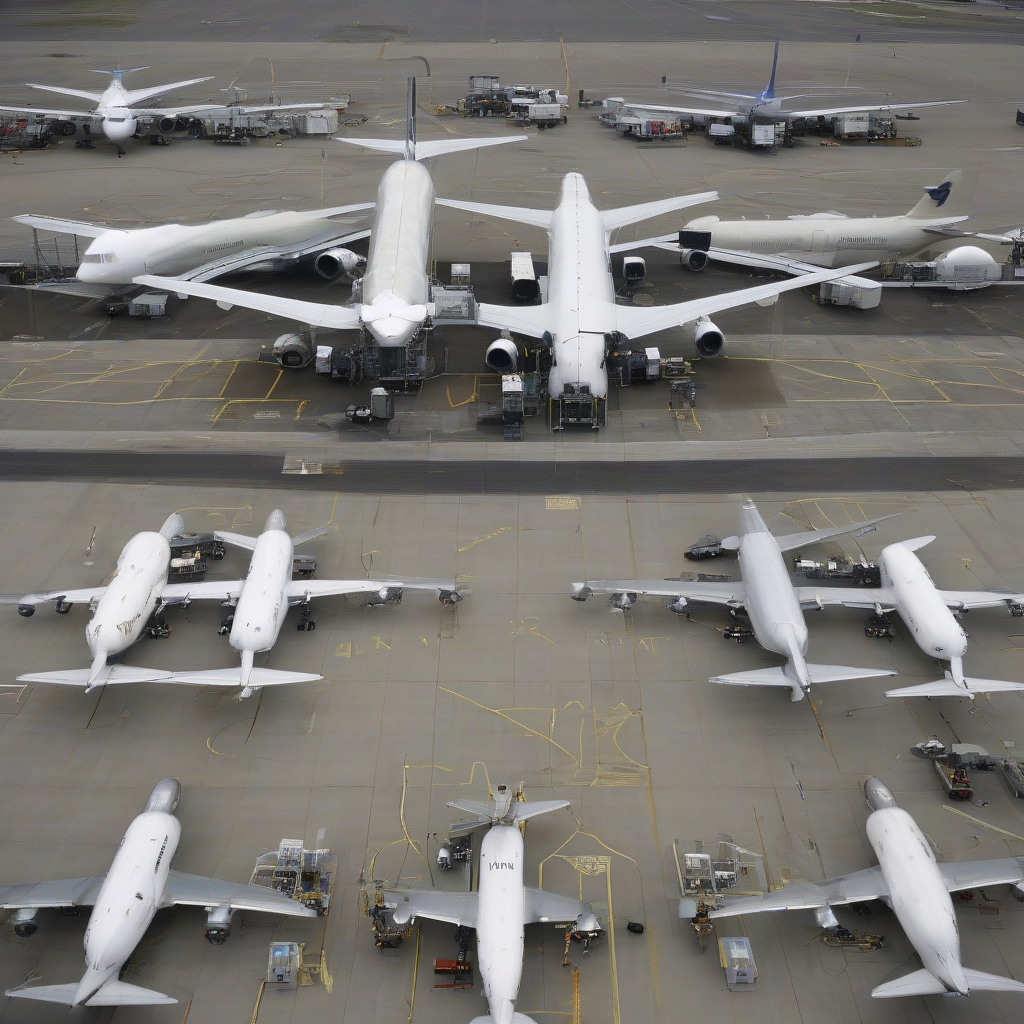

When flight cancellations occur, the resulting operational disruptions can leave hundreds of passengers stranded. According to Simple Flying, airlines utilize standby lists as a primary mechanism to manage these passenger surges, moving away from a basic first-come, first-served model to more complex prioritization systems.
Operational Logic in Rebooking
Standby lists function as a waitlist for available inventory on future flights. While passengers often assume that arriving at the gate first guarantees seat priority, airlines categorize standby passengers using internal logic that considers multiple variables. These variables ensure that the airline meets its operational goals and fulfills obligations to various passenger classes.
| Feature | Standby Management Logic |
|---|---|
| Priority Basis | Multi-factor prioritization |
| Primary Function | Seat allocation for non-booked passengers |
| Operational Trigger | Flight cancellations and inventory gaps |
Passengers should recognize that the standby process is designed to handle mass disruptions. Because airlines cannot always immediately accommodate all affected passengers on limited remaining flights, the automated rebooking system evaluates specific passenger data before assigning any vacant seats.
Regulatory and Industry Context
Major carriers operate under policies aligned with Department of Transportation (DOT) guidelines regarding tarmac delays and passenger service commitments. While individual airline contracts of carriage define the specifics, the underlying software is engineered to minimize downtime and manage load factors effectively. Airlines consistently update these algorithms to handle thousands of passengers across global networks simultaneously.
Why It Matters
Transparency in rebooking processes remains a frequent friction point between legacy carriers and consumers. By utilizing sophisticated, non-linear priority systems, airlines protect their high-value revenue streams while simultaneously attempting to clear logjams created by mass cancellations. This discrepancy between consumer expectations—which rely on physical order—and machine-logic prioritization often creates significant tension at the gate. As air travel demand remains high, the pressure on these automated systems will continue to grow, forcing airlines to balance logistical efficiency with public relations requirements during peak travel seasons.
Reader Discussion & Insights