
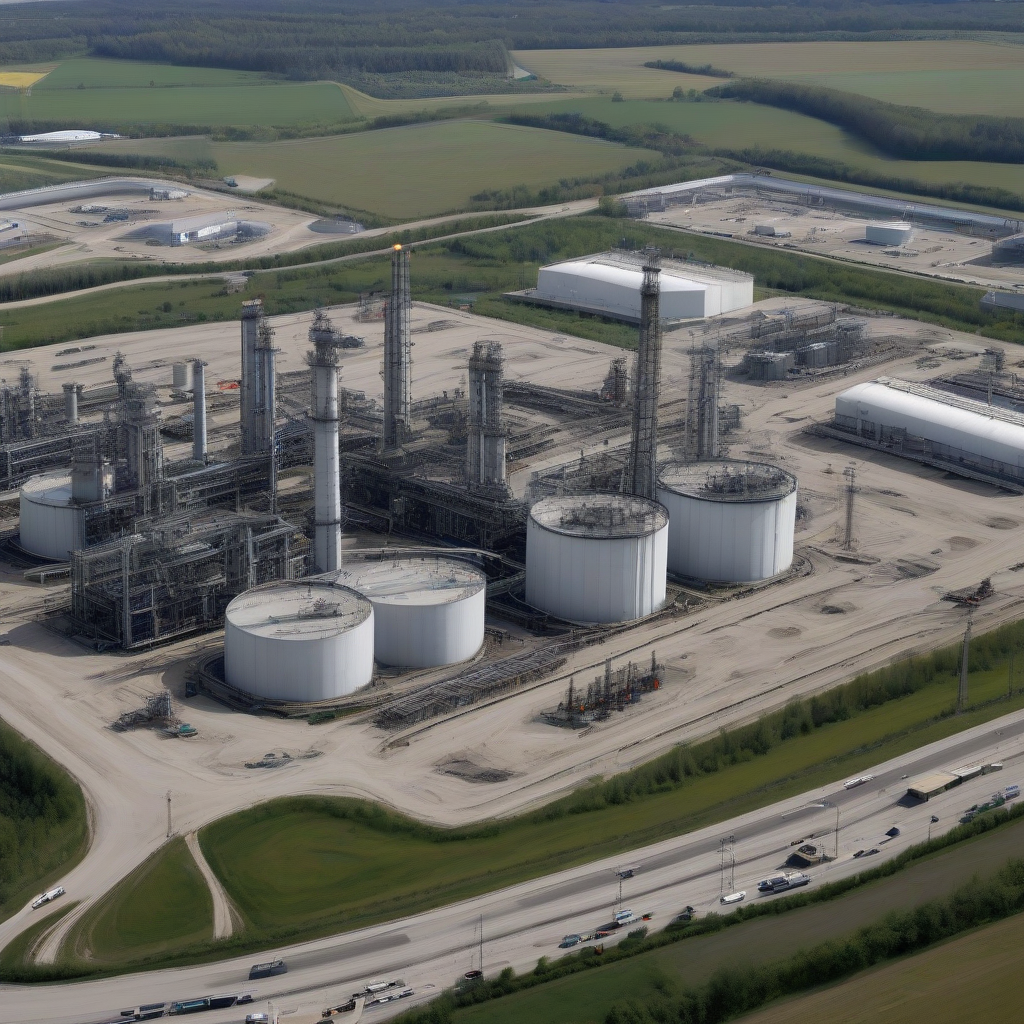

Ukrainian forces have conducted long-range drone strikes against oil refining infrastructure situated deep within Russian territory, according to BBC News — World. The tactical operation is explicitly designed to disrupt the economic engine that supports the Russian military campaign. Ukrainian President Volodymyr Zelenskyy confirmed that these strikes were intended to systematically diminish the financial resources Moscow relies upon to sustain its ongoing war efforts.
Impacted Infrastructure and Strategic Objectives
The strikes represent a shift in tactical focus toward high-value industrial targets located significantly behind the front lines. By damaging refining capacity, Kyiv seeks to affect both domestic fuel supply and the export revenue generated by refined petroleum products. While official reports did not detail the specific identity of the refineries or the exact date of each individual strike, the broader campaign targeting energy facilities has been a consistent element of Ukraine's defensive strategy.
| Metric | Strategic Focus |
|---|---|
| Primary Goal | Revenue Reduction |
| Target Type | Oil Refineries |
| Method | Long-range Drone Strikes |
Strategic Context and Industry Analysis
Under the oversight of the European Commission and global energy monitoring bodies, energy infrastructure has become a central theater of economic conflict. The targeting of refining assets directly impacts the supply chain, as these facilities are responsible for converting crude oil into gasoline, diesel, and aviation fuel. Damage to these installations often requires specialized parts and international technical expertise, which are currently restricted under various international sanctions frameworks.
Why It Matters
Attacking domestic refining capabilities forces an aggressor to divert refined fuel from the front lines to the civilian market, or alternatively, forces a reliance on more expensive imports to cover supply deficits. For global energy markets, this strategy introduces volatility in the refined products market. By increasing the risk profile for Russian oil infrastructure, these strikes may result in higher insurance premiums for shipping in the Black Sea and Baltic regions. Furthermore, it creates a persistent supply chain bottleneck that may influence long-term European dependence on non-Russian energy sources.
Reader Discussion & Insights