
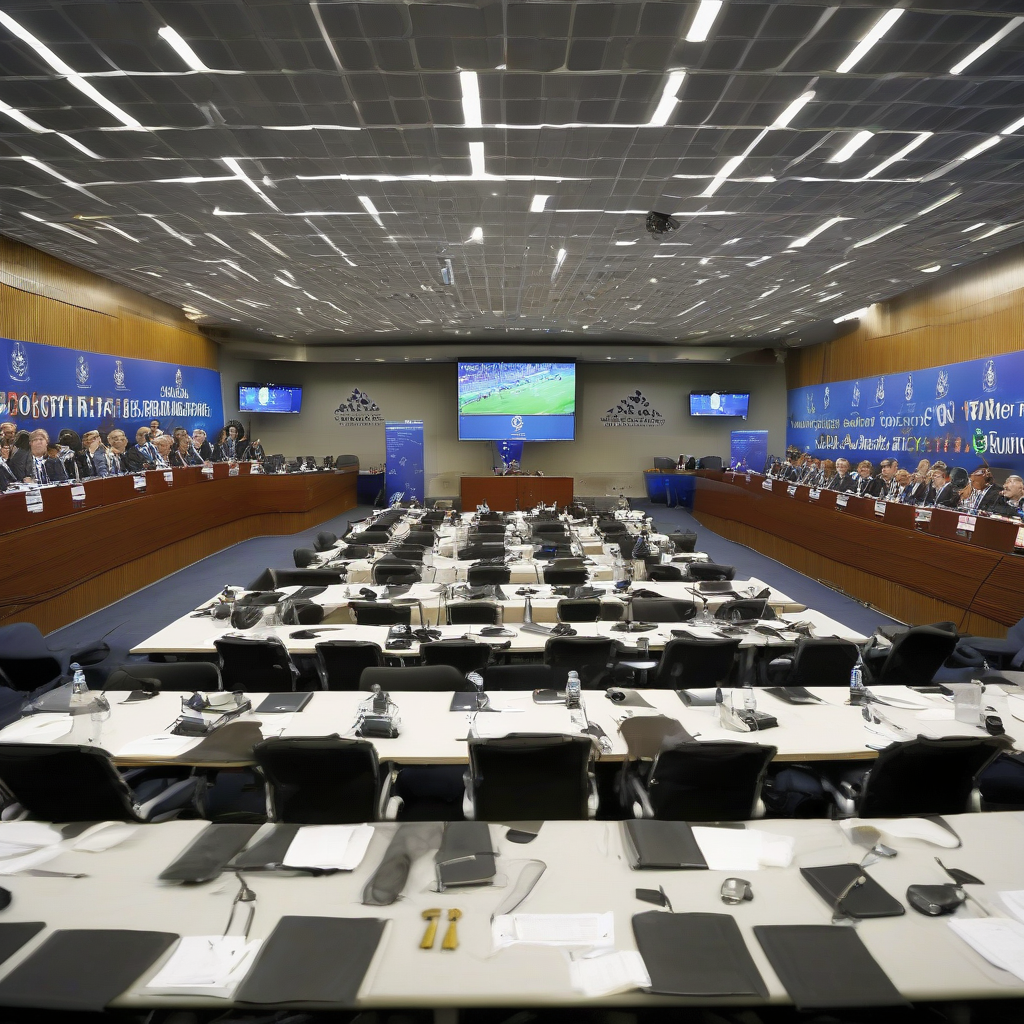

European football's governing body, UEFA, has officially declared that its boycott of FIFA will continue, according to Al Jazeera. The decision follows recent policy fluctuations by FIFA President Gianni Infantino regarding the organization’s commercial strategy and the controversial selloff of certain World Cup assets.
Despite an attempt to walk back controversial plans regarding the sale of tournament rights, UEFA leadership maintains that the fundamental requirements for resolving the ongoing diplomatic rift have not been met. This stalemate persists as the two organizations remain at odds over governance, financial transparency, and the long-term management of global football assets. While FIFA attempted to pivot in its recent strategy, the governing body of European football has remained unmoved, suggesting that the current concessions are insufficient to warrant a formal reconciliation.
This dispute reflects deep-seated tensions within the international sports administrative hierarchy. Official statements from UEFA underscore that the boycott will remain in effect until specific, documented conditions regarding equitable representation and administrative oversight are fully implemented by FIFA.
Current Status Summary
| Entity | Current Stance | Status of Dispute |
|---|---|---|
| UEFA | Boycott Active | Unresolved |
| FIFA | Policy Reversal | Rejection by UEFA |
Why It Matters
The refusal of UEFA to engage with FIFA despite tactical retreats highlights a critical breakdown in sports diplomacy. This rift impacts not only tournament logistics but also the multi-billion dollar broadcasting and sponsorship market. If the standoff continues, it could lead to fragmented global competitions, forcing corporate sponsors and broadcasting networks to choose between regional and global allegiances. The long-term implications involve a potential restructuring of how international football governance operates, as the current reliance on a centralized authority is being challenged by influential regional blocks seeking more autonomy over commercial outcomes.
Reader Discussion & Insights