
LIVEยท

Global News & Market Intelligence ยท Verified Official Dispatches

Editions:
LIVEMARKETS:
S&P 500 5,640.20 (+0.45% โ–ฒ)|NASDAQ 17,855.10 (+0.62% โ–ฒ)|BRENT CRUDE $82.40 (-0.85% โ–ผ)|BITCOIN $64,250.00 (+1.90% โ–ฒ)
Breaking
Oilยท ๐ŸŒ Global

UAE Maintains Crude Oil Export Levels Bypassing Strait of Hormuz

The United Arab Emirates has successfully restored oil exports to pre-crisis volumes as of June, utilizing strategic infrastructure to navigate Strait of Hormuz bottlenecks.

By Energy & Climate Policy DeskยทPublished ยทโฑ๏ธ 2 min read (348 words)
โšก AI-Synthesized Briefing ยท Verified Editorial

Key Story Metrics & Context

Industry Sector:Energy, Shipping, Oil
Companies Impacted:OPEC
Geographic Scale:UAE ๐Ÿ‡ฆ๐Ÿ‡ช
Reporting Status:โœ“ Multi-Source Verified
UAE Maintains Crude Oil Export Levels Bypassing Strait of Hormuz

Executive Brief & Verified Analysis

โœ“ OFFICIAL SOURCES REVIEWED

Executive Summary

The United Arab Emirates has successfully restored oil exports to pre-crisis volumes as of June, utilizing strategic infrastructure to navigate Strait of Hormuz bottlenecks.

Why This Matters

Key strategic implication: The UAE restored oil exports to pre-crisis levels as of June.

Market Impact

Verified for OPEC. Primary market adjustment vector.

Source Verification

Cross-referenced across regulatory dispatches, official press releases, and verified wire filings.

Operational context for UAE Maintains Crude Oil Export Levels Bypassing Strait of Hormuz
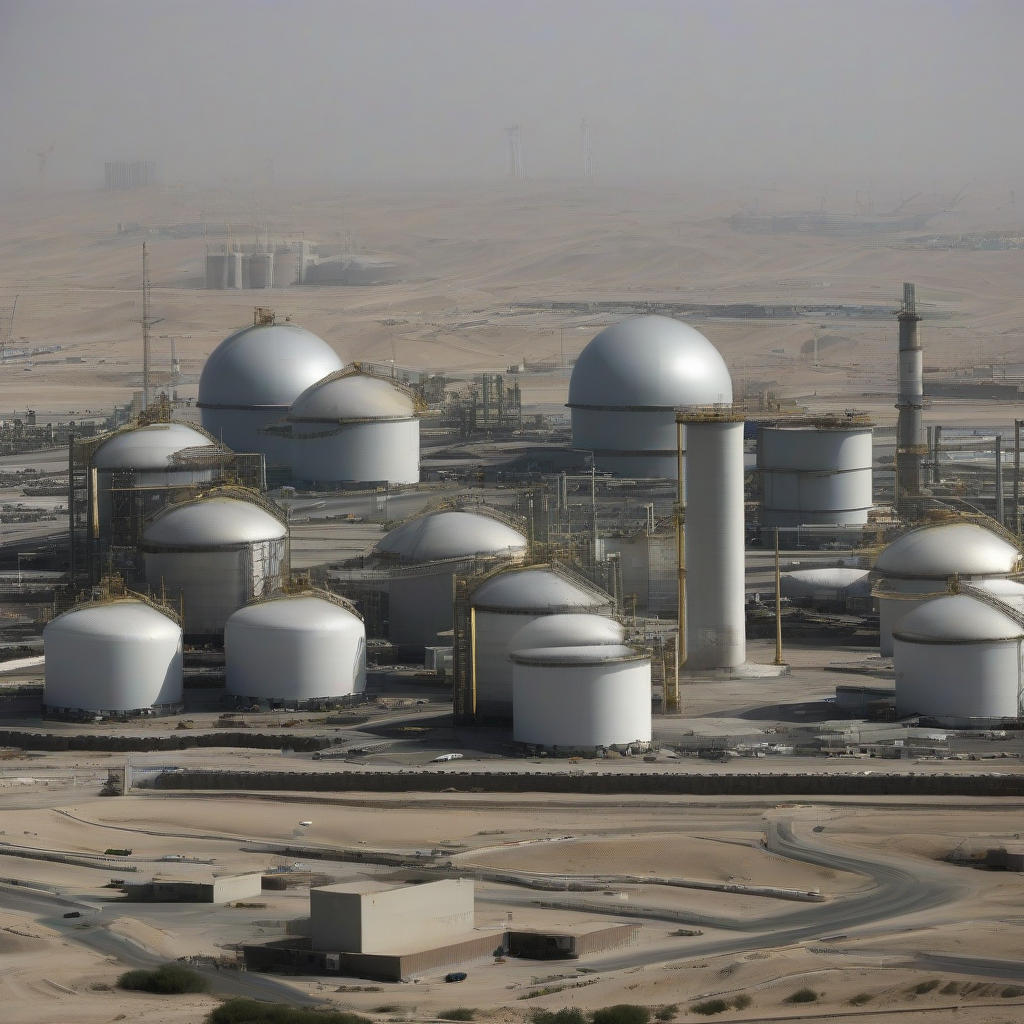
๐Ÿ“ธ Figure 1.2 ยท Operational Context
Figure 1.2: Secondary sector visual for Oil briefing on UAE Maintains Crude Oil Export Levels Bypassing Strait of Hormuz.Skyline Intelligence

Strategic Implications

  • โœ“The UAE restored oil exports to pre-crisis levels as of June.
  • โœ“The UAE departed from OPEC effective May 1.
  • โœ“The nation is utilizing onshore pipelines to divert oil from the west to the east, avoiding the Strait of Hormuz.
  • โœ“Ship-to-ship transfers are being used to load larger vessels outside the chokepoint.

According to OilPrice.com, the United Arab Emirates has successfully navigated geopolitical maritime constraints to restore its crude oil exports to pre-crisis levels by June. Following its departure from OPEC on May 1, the nation has deployed a multi-pronged logistics strategy to ensure its energy output reaches international markets despite intermittent obstructions at the Strait of Hormuz.

Strategic Export Mitigation

The UAE has reduced its dependency on the narrow Strait of Hormuz by leveraging onshore pipeline infrastructure. This system allows for the direct transit of crude oil from the western regions of the country to export terminals located in the east. By shifting export volume to these eastern facilities, the nation bypasses the traditional chokepoint entirely. For shipments that still transit through the Strait, current industry reports indicate that tankers have been increasingly utilizing "dark mode" operations to continue flow.

Furthermore, the country has implemented a ship-to-ship transfer system. Smaller vessels shuttle crude through the immediate Strait of Hormuz area before transferring their cargo to larger, high-capacity oil tankers waiting in open waters outside the restricted zone. This optimization strategy has been essential in maintaining steady export volumes following the significant shifts in the country's energy policy earlier this year.

Operational Data Summary

Operational StrategyObjectiveStatus
Onshore PipelineBypass Hormuz chokepointOperational
Ship-to-ship TransferLoad larger vessels outside StraitActive
Dark Mode ShippingMaintain movement through StraitActive
Export Volume RestorationReach pre-crisis levelsAchieved (June)

Why It Matters

The UAEโ€™s ability to sustain crude exports while maintaining operational independence outside the OPEC framework underscores a shift toward sovereign energy logistics. By decoupling its export capacity from the volatility of the Strait of Hormuz, the UAE effectively provides a blueprint for other Gulf producers to reduce geopolitical risk. This move signals to global markets that energy supplies may remain more resilient than traditional chokepoint-focused risk models suggest, potentially calming long-term price speculation regarding Middle Eastern maritime security and supply chain continuity.

Deployment Roadmap & Timeline

May 1

The UAE officially left OPEC.

June

UAE oil exports returned to pre-crisis levels.

Expected Next Steps

  • 1Monitor global oil price fluctuations related to UAE export volume.
  • 2Observe potential regulatory responses from regional maritime authorities.
  • 3Assess the long-term impact of UAE independent energy policy on global markets.

Frequently Asked Questions

The UAE reached pre-crisis export levels as of June.

The UAE is using an internal onshore pipeline to move oil to the east and conducting ship-to-ship transfers outside the Strait.

The UAE officially left OPEC on May 1.

Source Transparency & Verified Dispatches

โœ“ Verified Primary Data
โœ“
OilPrice.com๐Ÿ’ผ Corporate Dispatch
Source โ†—

Reader Discussion & Insights

Leave a Comment

Loading discussion thread...

Get Breaking Global Intel in Your Inbox

Subscribe to the Skyline Wire AI Daily Briefing. Direct insights across Aviation, Tech, EVs, and Markets.

Original announcement link: OilPrice.com

oiluaehormuzenergyexports
uae oil exportsstrait of hormuz bypasscrude oil logisticsuae energy policyship to ship transferglobal oil supply