
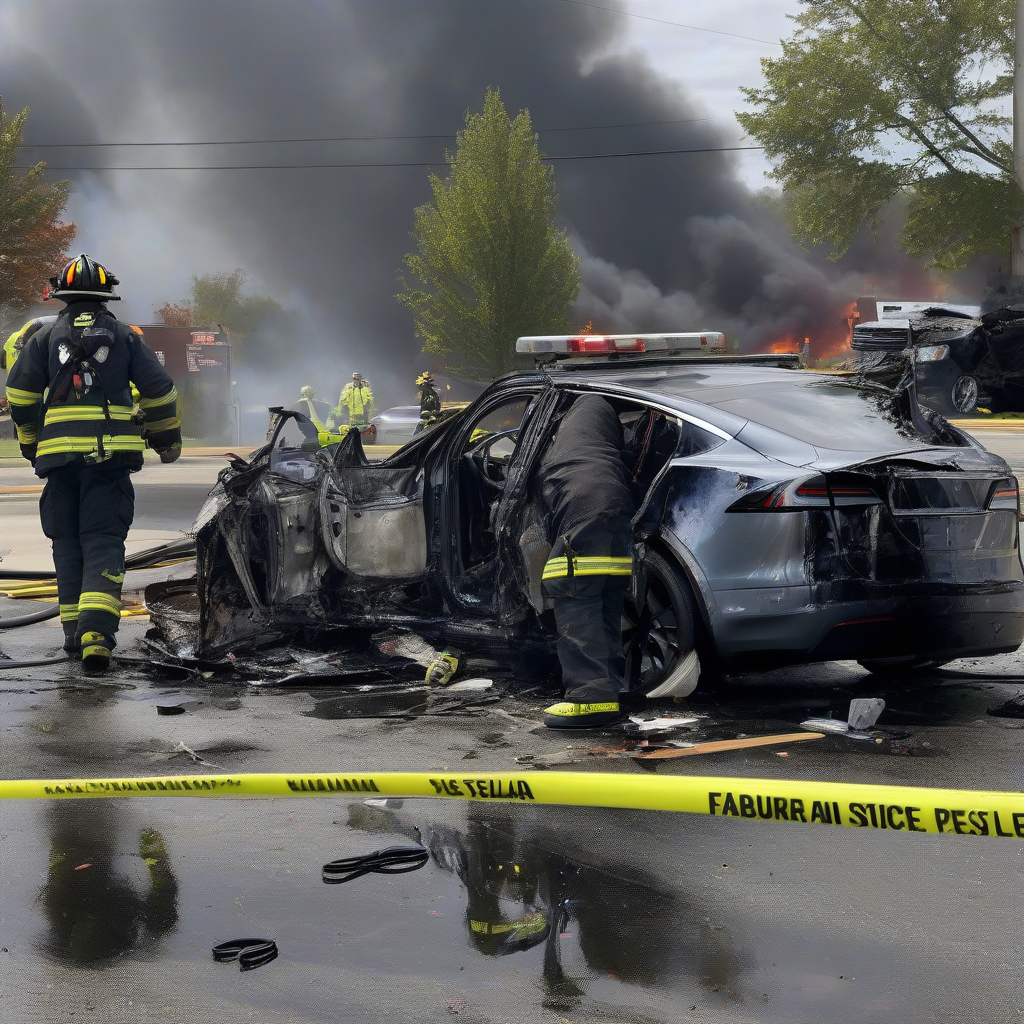

Two first responders were injured while managing a vehicle fire involving a Tesla inside an Auburn, Washington garage. Local emergency services were summoned to the scene to extinguish the blaze, which escalated during the intervention.
According to Tesla, the company is aware of the incident and monitoring the situation. While specific technical details regarding the vehicle's state prior to ignition remain under investigation by local authorities, the event highlights the ongoing challenges emergency teams face when dealing with lithium-ion battery fires in enclosed spaces.
Incident Summary
| Detail | Information |
|---|---|
| Location | Auburn, WA |
| Injuries | 2 firefighters |
| Incident Type | Tesla vehicle fire/explosion |
The injured personnel were evaluated for their wounds following the unexpected combustion of the vehicle's battery pack. Such events present distinct hazards for fire departments, as damaged lithium-ion cells can exhibit thermal runaway, a condition where the battery generates intense heat and potentially reignites even after initial suppression efforts have been applied.
Why It Matters
The frequency of electric vehicle (EV) battery fires remains statistically low compared to internal combustion engine vehicle fires; however, the unique chemical composition of EV battery modules requires specialized training and equipment for rapid response teams. As the adoption of electric vehicles continues to rise, the incident in Auburn underscores a growing need for standardized protocols regarding battery cooling and fire containment in residential garage settings. For insurance providers and fire safety regulators, this event signals a shift toward more stringent requirements for residential EV storage and charging safety, as well as the implementation of advanced thermal monitoring systems for home charging infrastructure.
Reader Discussion & Insights