
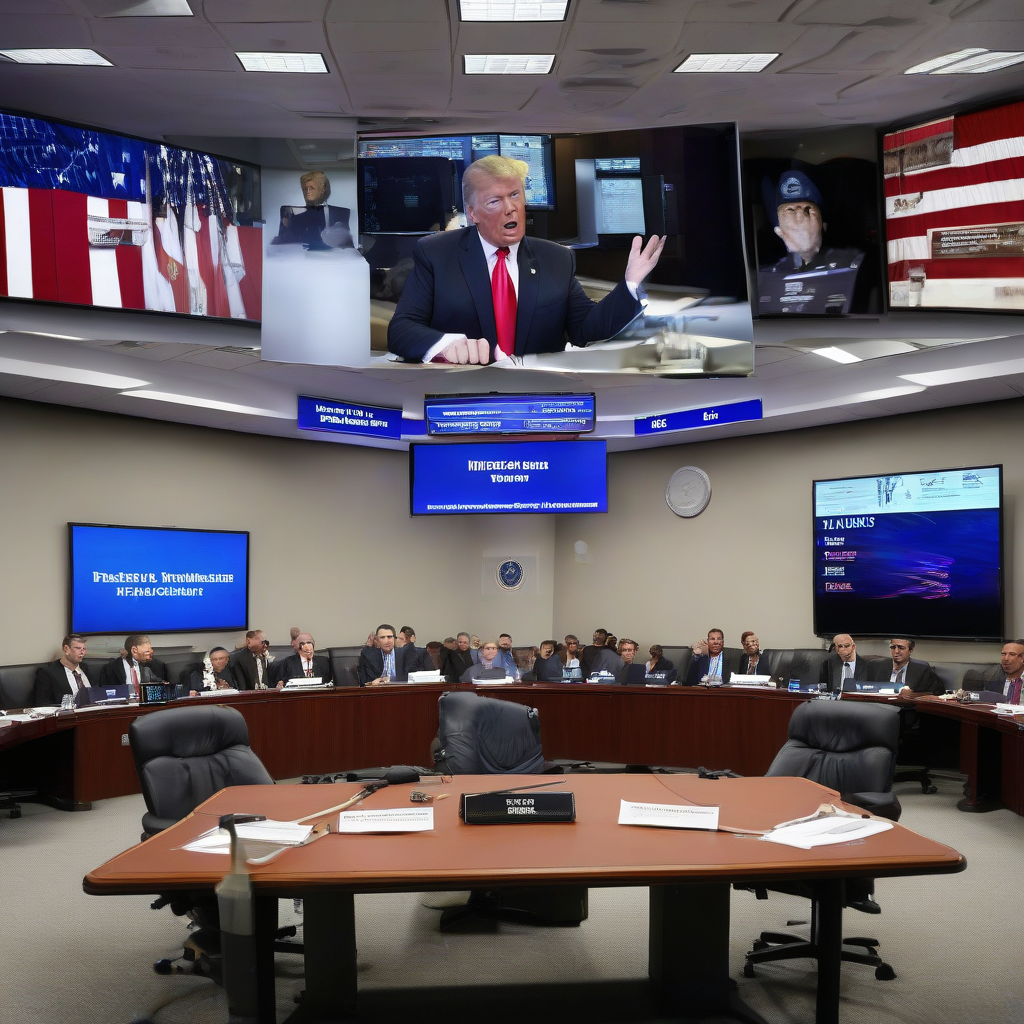
President Trump has indicated that an official announcement regarding the Strait of Hormuz could be forthcoming, according to CBS News — World. The President’s remarks follow a series of diplomatic engagements involving Iran and Oman, suggesting progress in de-escalating tensions in one of the world's most critical maritime corridors.
While specific terms of a potential agreement remain undisclosed, the administration’s focus on the region aligns with broader geopolitical efforts to stabilize energy transit routes. The Strait of Hormuz serves as a vital chokepoint for global oil distribution, and any shifts in the diplomatic posture between involved parties have immediate implications for international maritime security and energy logistics.
Key Diplomatic Context
| Feature | Details |
|---|---|
| Primary Negotiator | Iran |
| Regional Intermediary | Oman |
| Reported Focus | Strait of Hormuz Security |
| Status | Active Diplomatic Discussions |
Official government channels have not yet released a formal framework for the proposed announcement. Observers note that Oman has historically functioned as a key conduit for dialogue between Tehran and Washington, a role that appears central to the current developments. The White House has maintained a position of strategic engagement, aiming to secure shipping lanes through the Persian Gulf.
Why It Matters
For the global energy sector, the stability of the Strait of Hormuz is non-negotiable. Roughly 20% of the world's total petroleum liquids pass through this narrow waterway. Any disruption—whether through conflict or regulatory shifts—creates immediate volatility in global commodity pricing and supply chain reliability. If a deal is formalized, it would provide short-term relief to shipping insurance premiums and tanker operators who have faced heightened risk in the region. Industry analysts should monitor these negotiations for potential impacts on maritime logistics and long-term energy security strategies, as current volatility directly affects the cost of fuel imports and global inflation metrics.
Reader Discussion & Insights