
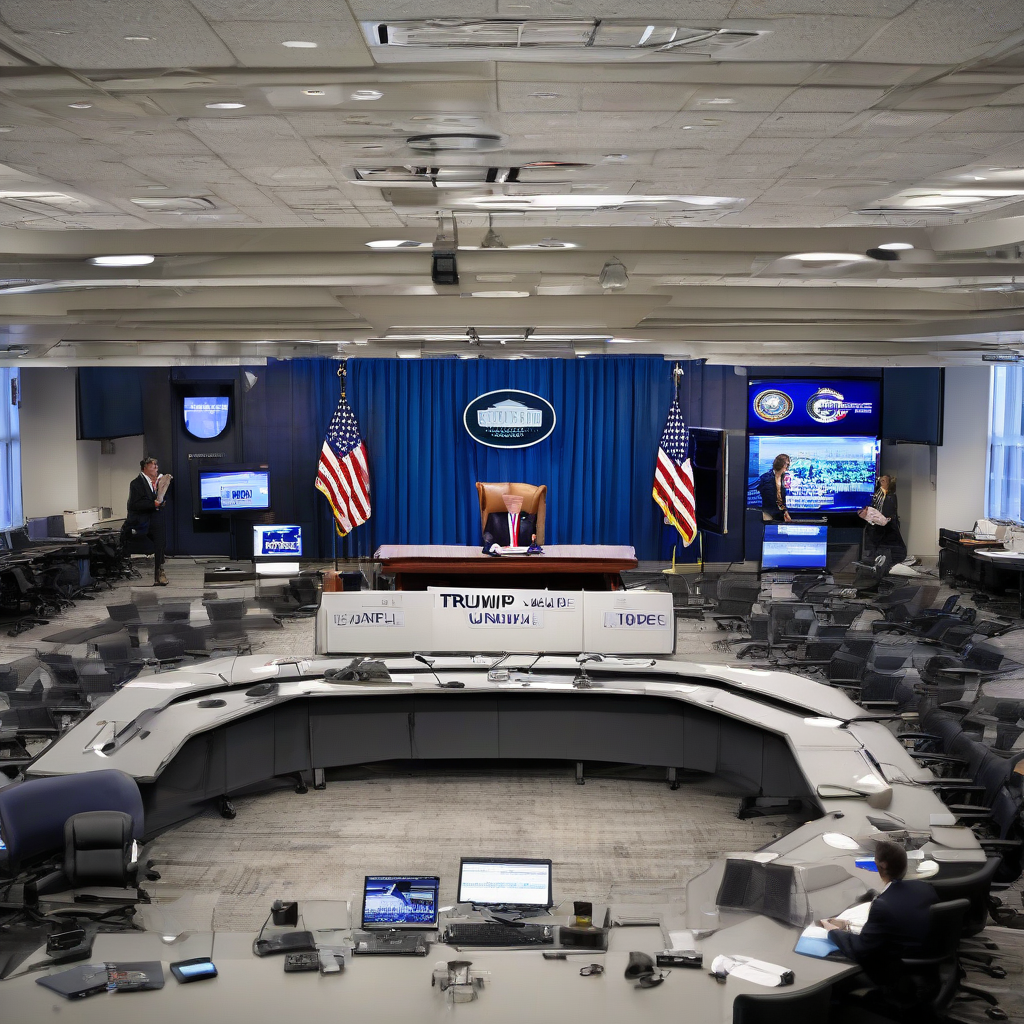
The Trump administration has initiated the process of refunding $100bn in tariffs that were previously collected from importers. This fiscal reversal comes as a direct response to a February ruling by the US Supreme Court, which determined that a significant portion of the administration’s expansive tariff measures lacked the necessary legal authorization, according to Al Jazeera.
Financial Impact Summary
| Category | Figure | Status |
|---|---|---|
| Total Tariff Refunds | $100bn | In Progress |
| Ruling Date | February | Finalized |
The Supreme Court’s decision centered on the scope of executive authority regarding trade policy and the imposition of import levies. By striking down these measures, the court effectively forced the Treasury to unwind billions in collected duties that had been levied on global goods entering the United States. While the administration maintained that these tariffs were designed to protect domestic industry, the judicial branch found that the implementation exceeded the administrative powers granted by existing statutes.
This capital infusion back to the private sector represents one of the largest regulatory reversals in recent history. Companies that were subject to the disputed tariffs are now entitled to claim back payments, a move that is expected to alter cash flow profiles for major importers and international manufacturers who bore the brunt of the trade barriers.
Why It Matters
The return of $100bn to the private sector signals a significant correction in trade policy that will likely stabilize supply chain costs for multinational corporations. By removing these financial barriers, the government is essentially resetting the cost basis for imported materials. Economically, this liquidity could drive a temporary surge in capital expenditure among affected sectors, as firms recoup funds previously trapped by litigation and compliance costs. However, the move also introduces uncertainty regarding future trade negotiation strategies and the extent of executive overreach in fiscal rulemaking, potentially prompting tighter congressional oversight on import duties moving forward.
Reader Discussion & Insights