
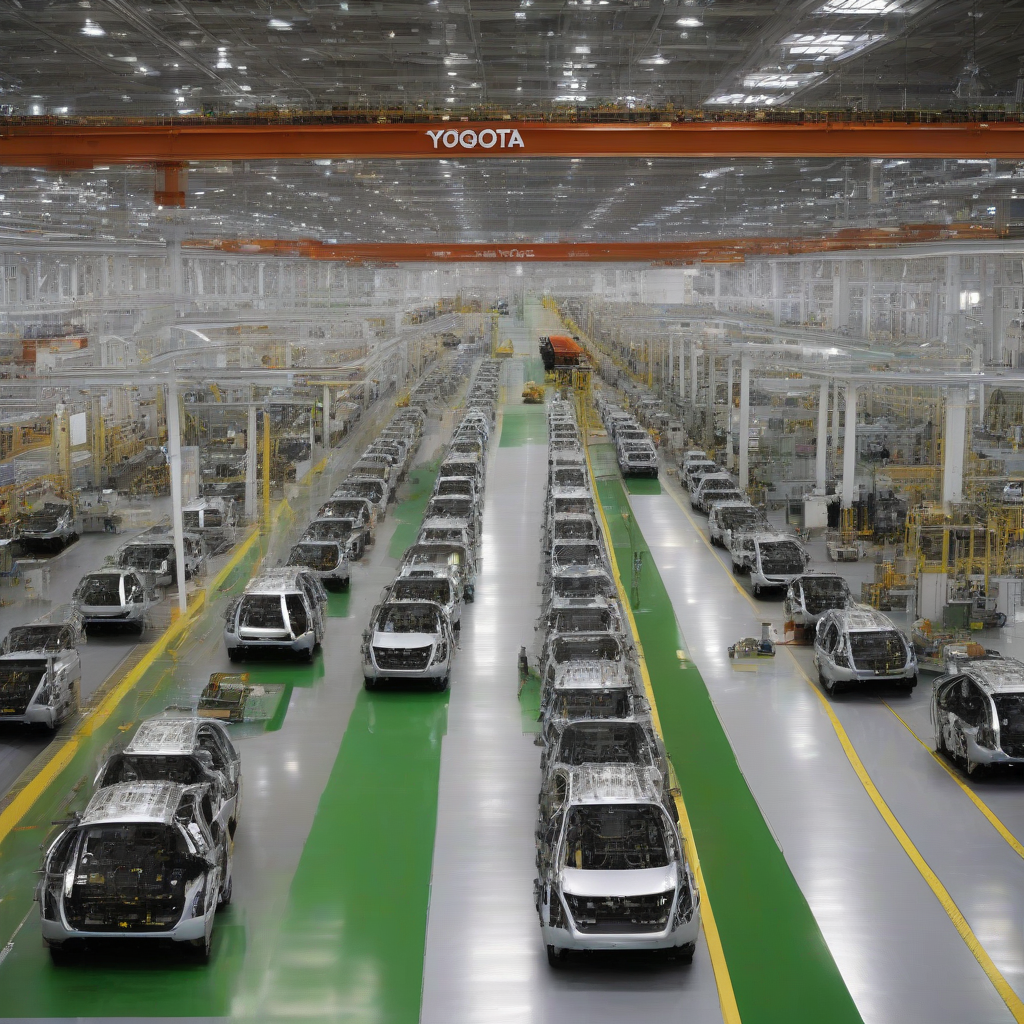
Toyota is preparing a significant upgrade to its electrification strategy, targeting the rollout of next-generation hybrid batteries by 2027. According to InsideEVs, the Japanese automaker is focusing on hardware improvements designed to reduce manufacturing costs while simultaneously enhancing vehicle performance. This development aligns with a broader surge in the company's electrified vehicle demand, which is reaching historic highs.
Sales Performance and Production
For the first time in its history, Toyota expects to move more than 5 million hybrid vehicles globally within this calendar year. This milestone underscores the enduring consumer preference for traditional hybrid powertrains even as the broader automotive sector transitions toward fully electric platforms. The company maintains that optimizing these hybrid systems remains a cornerstone of its multi-pathway strategy toward carbon neutrality.
| Metric | Projection/Status |
|---|---|
| 2024 Global Hybrid Sales | > 5 million units |
| New Battery Tech Debut | 2027 |
Strategic Direction
Toyota’s long-term plan centers on the deployment of more efficient battery chemistry to combat the high price of lithium-ion systems. By refining the thermal management and energy density of these packs, the manufacturer aims to lower the barrier to entry for hybrid owners. The company continues to provide periodic updates on these initiatives through official investor relations filings and corporate press releases, emphasizing that these technological gains will be scaled across its global fleet.
Why It Matters
Toyota’s commitment to internal combustion hybrids signals a tactical divergence from competitors who are prioritizing an "all-in" battery-electric vehicle approach. By betting on improved hybrid efficiency, Toyota is hedging against potential charging infrastructure bottlenecks and supply chain volatility in the battery raw materials market. This strategy allows the firm to sustain high volume turnover and profitability, providing the necessary cash flow to fund future solid-state battery research and hydrogen fuel cell development while maintaining market dominance in high-growth segments where infrastructure for fully electric models remains sparse.
Reader Discussion & Insights