
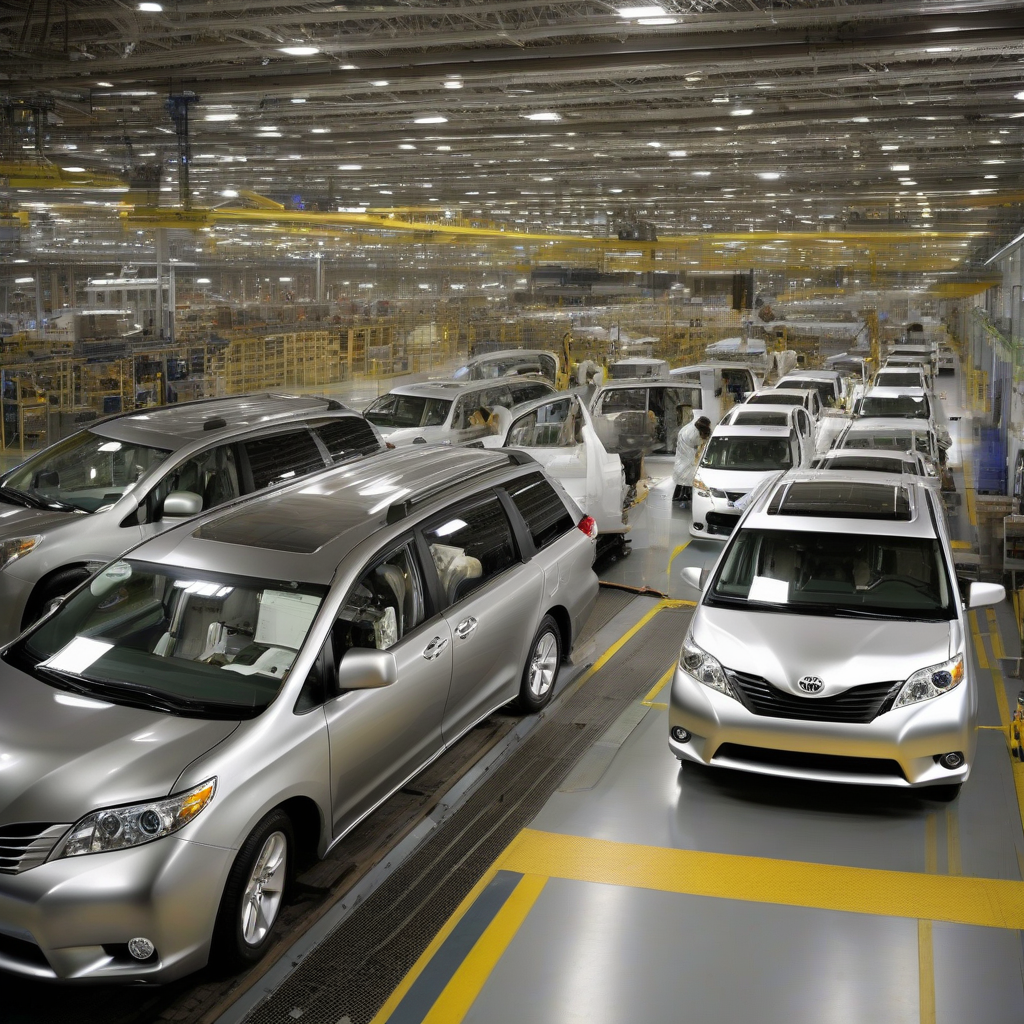

Data analyzed by CarBuzz suggests that consumers prioritizing utility and fuel efficiency may find a more practical choice in the Toyota Sienna hybrid minivan rather than traditional premium three-row SUVs. Despite the prevailing market trend favoring luxury SUVs for families requiring seven-passenger seating, the hybrid minivan architecture provides distinct advantages in both cabin space and powertrain economy.
Comparative Analysis
The shift toward hybrid minivans challenges the dominance of the luxury SUV segment. While luxury SUVs are often selected for prestige and design, the Toyota Sienna provides a more efficient deployment of interior volume. The following table highlights the comparative focus on passenger capacity and the hybrid propulsion system characteristic of this vehicle class.
| Feature | Toyota Sienna Hybrid | Typical Luxury 3-Row SUV |
|---|---|---|
| Max Seating Capacity | Up to 7 Passengers | Up to 7 Passengers |
| Primary Powertrain | Hybrid System | Varies (ICE/Hybrid) |
| Interior Utility | High | Variable |
Market Context
Automotive market analysis indicates that luxury buyers frequently trade practical interior dimensions for exterior styling when opting for premium SUVs. According to CarBuzz, the Toyota Sienna positions itself as a statistically superior option for families operating within a budget near $60,000. By integrating a hybrid powertrain, the Sienna delivers fuel efficiency metrics that often exceed those of comparable luxury-branded people-movers, which are frequently weighted down by heavier chassis designs and less efficient engine configurations.
Why It Matters
The automotive industry is witnessing a recalibration of value propositions. As fuel costs remain a concern for households and urban congestion limits vehicle footprint, the minivan’s revival is a direct response to functional demand. While SUVs continue to dominate market share, the focus on 'total cost of ownership' is drawing sophisticated buyers back to segment-defying products. The Sienna’s success indicates that manufacturers who optimize for interior utility and powertrain efficiency can effectively compete with luxury brands, even when the luxury segment traditionally commands a higher price point through brand equity rather than functional output.
Reader Discussion & Insights