
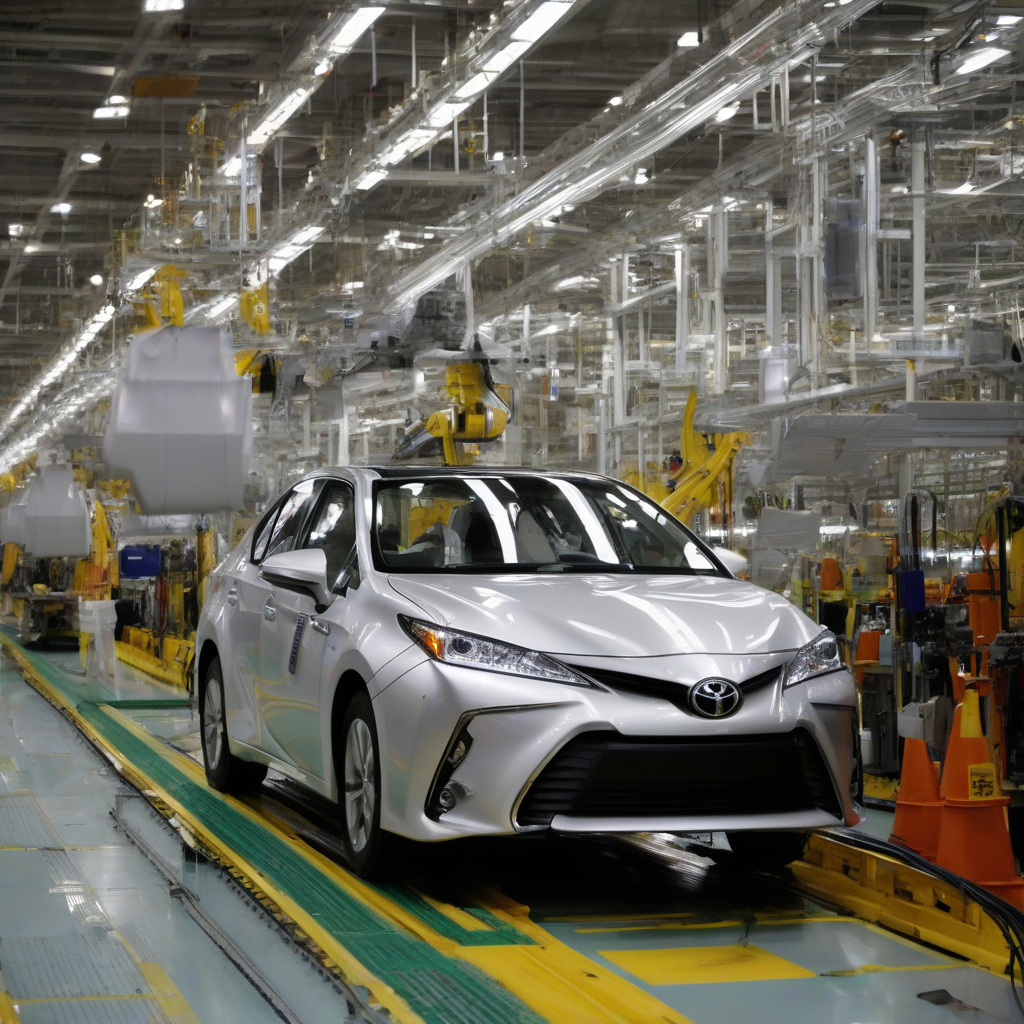

Toyota has officially expanded its factory-supported upgrade program, a strategic initiative designed to integrate modern technological improvements into existing Toyota and Lexus vehicle fleets. According to InsideEVs, this program serves to extend the operational lifecycle of aging gas and plug-in hybrid electric vehicles (PHEVs) by providing owners with access to manufacturer-approved software and hardware enhancements.
Program Scope and Objectives
The initiative focuses on addressing the technological gap between legacy models and current vehicle lineups. By offering factory-certified upgrades, the manufacturer aims to maintain vehicle relevance without requiring owners to purchase entirely new units. This approach aligns with broader corporate efforts to maximize the longevity of vehicles already on the road, ensuring that legacy hardware can interact with modern digital ecosystems and improved energy management systems.
Summary of Vehicle Support
| Feature Category | Scope | Vehicle Types |
|---|---|---|
| Upgrade Type | Factory-Backed Retrofit | Gas & Plug-in Hybrid |
| Brand Coverage | Toyota & Lexus | Legacy Models |
| Primary Focus | Technological Modernization | Multi-Platform |
Institutional Context
While the specific list of eligible models varies by market, the initiative is consistent with Toyota’s long-standing strategy of prioritizing product durability. As established in regulatory filings regarding environmental impact and automotive longevity, the company continues to favor a multi-pathway strategy that includes improving existing inventory alongside the development of new, next-generation electric vehicle platforms.
Why It Matters
This program represents a shift in automotive lifecycle management, moving from a model of planned obsolescence to one of modular modernization. For the industry, this establishes a precedent where software-defined vehicle features are retrofitted into older physical chassis. By maintaining a high performance ceiling for older models, Toyota manages to preserve brand loyalty and secondary market value while reducing the carbon footprint associated with manufacturing new vehicle units. This strategy challenges the status quo of automotive consumption and places pressure on competitors to offer similar longevity solutions for their legacy fleets.
Reader Discussion & Insights