
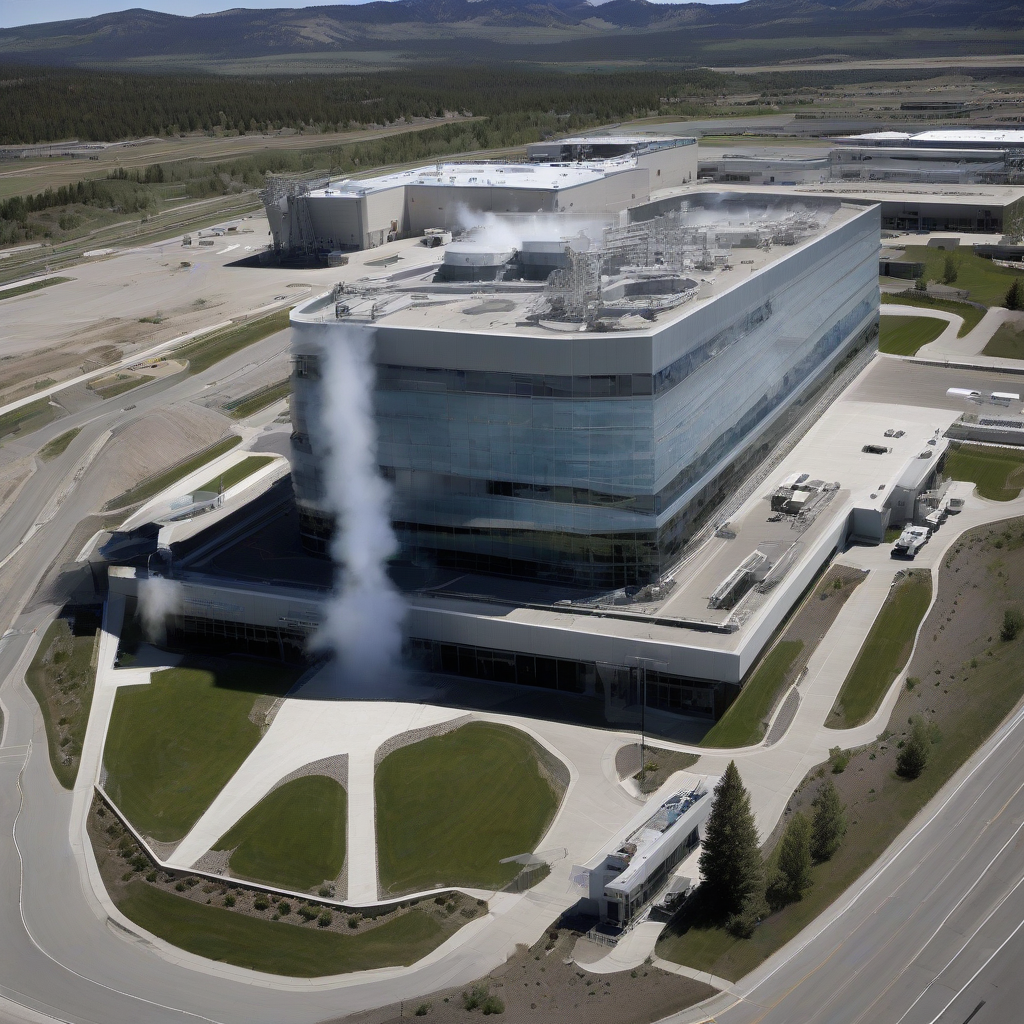
The National Laboratory of the Rockies has introduced three licensing-ready geothermal technologies designed to help energy companies drill deeper, hotter, and more financially viable wells, according to CleanTechnica. Featured in the laboratory's "The Fast Lane" series, these innovations are now available for commercial licensing to accelerate the development of deep geothermal energy. By targeting extreme geological environments, the technologies aim to solve persistent engineering bottlenecks in the renewable energy sector.
The initiative highlights three specific technological avenues aimed at overcoming traditional drilling limitations. By targeting deeper, high-temperature resources, these technologies aim to optimize heat extraction. According to CleanTechnica, the commercial availability of these licenses allows private developers to bypass early-stage research hurdles, expediting deployment timelines for utility-scale operations.
Commercial Geothermal Technology Focus Areas
| Technology Focus Area | Primary Engineering Objective | Commercialization Route |
|---|---|---|
| Deep Drilling Optimization | Access deeper subsurface thermal reserves | Direct commercial licensing |
| High-Temperature Operations | Maintain tool integrity in extreme heat | Direct commercial licensing |
| Economic Viability | Lower capital expenditures per well | Direct commercial licensing |
Geothermal energy development falls under the broader oversight of the United States Department of Energy (DOE), which actively promotes the commercialization of federal laboratory innovations. By offering private operators direct access to intellectual property developed with federal resources, the National Laboratory of the Rockies aims to bridge the gap between experimental physics and practical field application. This approach reduces geological exploration risks and lowers technical barriers for commercial developers.
Why It Matters
Traditional geothermal energy has been constrained by geographic availability and high upfront drilling risks. By transitioning state-funded laboratory research into the commercial sector, these three technologies could significantly lower the cost barrier for deep geothermal systems. Accessing hotter, deeper reservoirs allows geothermal to transition from a niche regional energy source to a baseline clean power provider capable of competing directly with fossil fuels and grid-scale storage.
Reader Discussion & Insights