
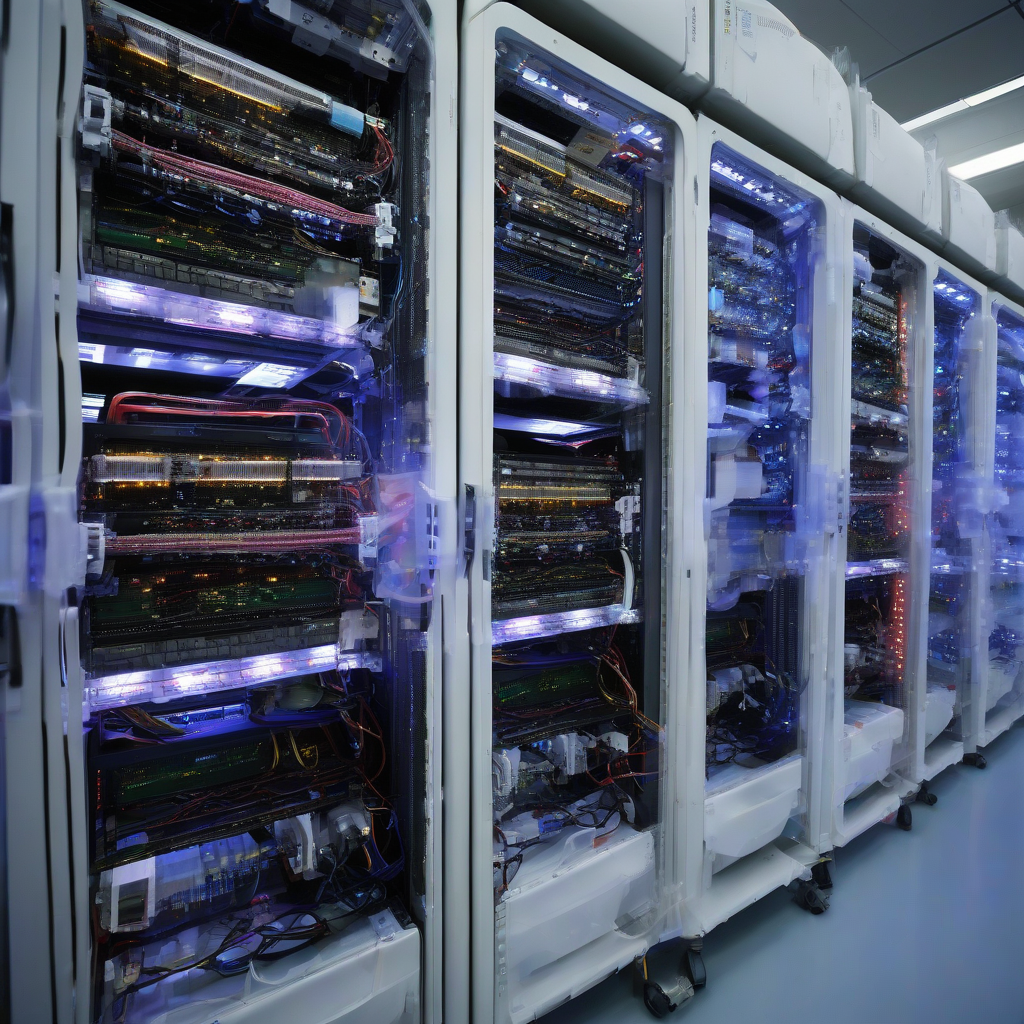
A security vulnerability affecting multiple Thermo Fisher Applied Biosystems Genetic Analyzers has been identified, potentially allowing unauthorized users to modify DNA output files and produce inaccurate diagnostic results. According to CISA Advisories, the flaw stems from a lack of integrity checks in the system's .fsa and .hid files, classified under CVE-2026-17583 with a CVSS score of 8.4.
The issue impacts various data collection and instrument software versions across the Applied Biosystems product line. By exploiting this gap in data protection, an unauthorized actor could alter the contents of output files, undermining the validity of forensic or clinical DNA analysis performed by these systems.
Affected Software and Versions
The following table details the specific instrument software versions identified as vulnerable and requiring immediate update:
| Product Name | Affected Version(s) |
|---|---|
| Applied Biosystems 3500/3500xL Series Data Collection | <=4.0.2 |
| Applied Biosystems 3730/3730xL Series Data Collection | <=5.0.2 |
| Applied Biosystems SeqStudio Genetic Analyzer Data Collection | <=1.2.5 |
| Applied Biosystems SeqStudio Flex Series Instrument | <=1.2.0 |
| Applied Biosystems GeneMapper ID-X Software | <=v1.7.3 |
| Applied Biosystems 3130 Series Data Collection | <=4.1 |
| ABI PRISM 3100/3100-Avant Data Collection | <=2.0 |
| ABI PRISM 310 Data Collection | <=3.1 |
Thermo Fisher has addressed this risk by deploying software patches that introduce digital signature verification for instrument data files. This implementation ensures that users can authenticate the integrity of DNA data, confirming that files remain untampered after the initial analysis.
Why It Matters
The integrity of genetic analysis is foundational to both clinical diagnostics and forensic investigations. When software vulnerabilities allow for the silent manipulation of raw genomic data, the risk extends beyond technical failure into the realm of judicial and medical negligence. As laboratories increasingly rely on automated data collection workflows, the industry must transition toward cryptographically signed output files by default. This incident highlights that even well-established medical hardware is not immune to basic data integrity threats, necessitating continuous auditing of laboratory information management systems (LIMS) and their underlying instrument drivers.
Reader Discussion & Insights