
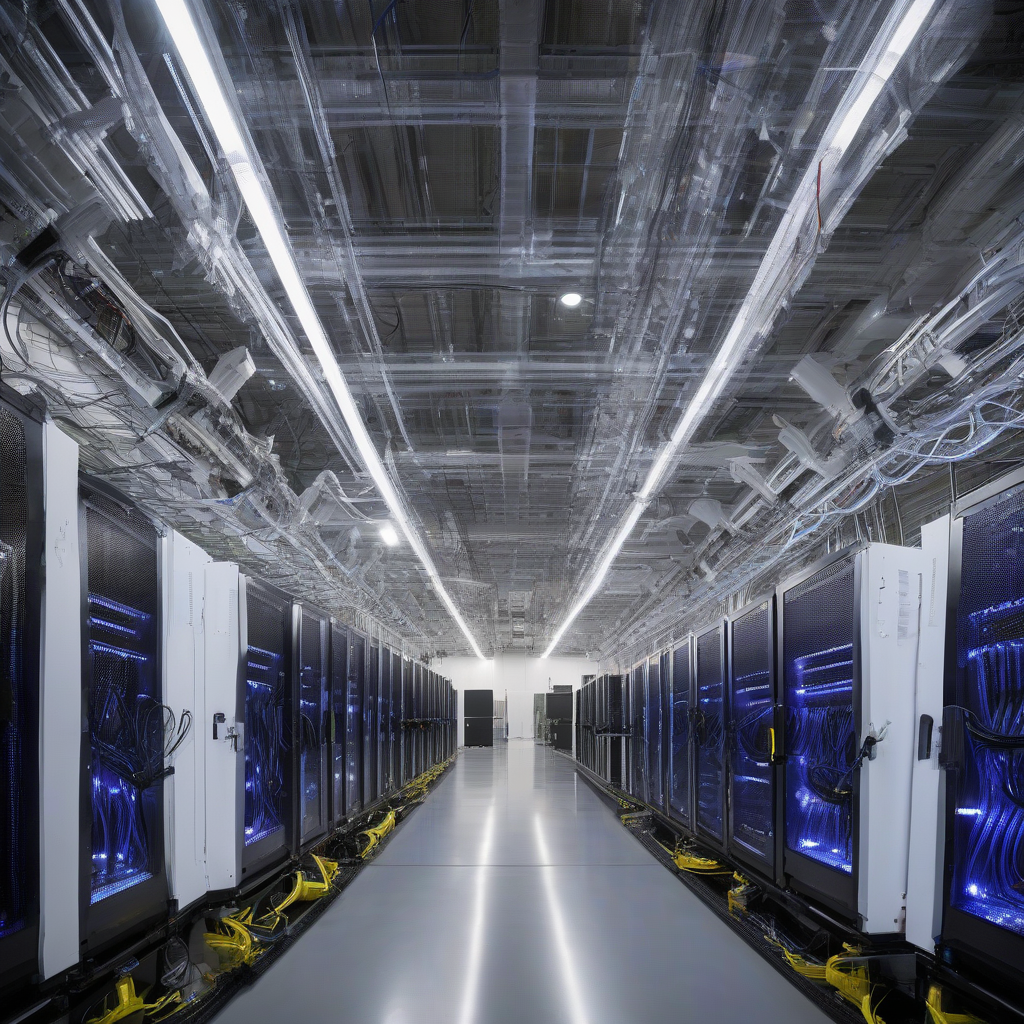

Tesla and SpaceX are deepening their operational cooperation regarding artificial intelligence infrastructure, according to Tesla. While the two entities remain distinct organizations with separate legal and capital structures, they are increasingly sharing proprietary computational capabilities to accelerate machine learning projects.
This strategic alignment centers on the movement of hardware and data processing power between the two companies. By optimizing the use of high-end computing clusters, the firms aim to improve the training speeds of their respective autonomous and predictive models. The collaboration is intended to streamline the deployment of AI-driven systems across both automotive and aerospace sectors without requiring a formal corporate merger.
Operational Data Overview
| Feature | Tesla Focus | SpaceX Focus | Shared Component |
|---|---|---|---|
| AI Application | Autonomous Driving | Autonomous Rocket Flight | Computing Power |
| Infrastructure | Tesla FSD / Dojo | Starship Avionics | Hardware Utilization |
| Primary Goal | Fleet Autonomy | Orbital Precision | Efficiency Gains |
Internal filings and public statements suggest that the cross-pollination of engineering talent and software stacks allows for more rapid iteration. According to Tesla, this partnership enables a more efficient allocation of resources that would otherwise be constrained by separate research and development budgets. The cooperation is primarily focused on software architecture, allowing engineers to apply lessons learned in autonomous vehicle navigation to the complex variables found in autonomous rocket landings.
Why It Matters
The integration of AI resources between high-growth technology companies signals a shift toward verticalized internal ecosystems. By bypassing the need for third-party cloud infrastructure, Tesla and SpaceX reduce their reliance on major technology providers while maintaining control over sensitive data. This trend suggests that large-scale industrial companies are prioritizing the creation of proprietary AI "moats" over traditional market procurement. If successful, this model could pressure competitors to move away from standardized enterprise software in favor of custom, internally-developed computational stacks designed specifically for high-velocity hardware environments.
Reader Discussion & Insights