

LIVEยท

Global News & Market Intelligence ยท Verified Official Dispatches

Editions:
LIVEMARKETS:
S&P 500 5,640.20 (+0.45% โ–ฒ)|NASDAQ 17,855.10 (+0.62% โ–ฒ)|BRENT CRUDE $82.40 (-0.85% โ–ผ)|BITCOIN $64,250.00 (+1.90% โ–ฒ)
Breaking
Teslaยท ๐Ÿ‡บ๐Ÿ‡ธ United States

Tesla Full Self-Driving Software Remains Linked to Traffic Citations

Tesla's Full Self-Driving system continues to face scrutiny as reports indicate the technology does not prevent users from receiving speeding tickets while engaged.

By Automotive & EV Mobility DeskยทPublished ยทโฑ๏ธ 2 min read (330 words)
โšก AI-Synthesized Briefing ยท Verified Editorial

Key Story Metrics & Context

Industry Sector:Automotive, Autonomous Driving
Companies Impacted:Tesla, Waymo
Geographic Scale:USA ๐Ÿ‡บ๐Ÿ‡ธ
Reporting Status:โœ“ Multi-Source Verified
Tesla Full Self-Driving Software Remains Linked to Traffic Citations

Executive Brief & Verified Analysis

โœ“ OFFICIAL SOURCES REVIEWED

Executive Summary

Tesla's Full Self-Driving system continues to face scrutiny as reports indicate the technology does not prevent users from receiving speeding tickets while engaged.

Why This Matters

Key strategic implication: Tesla's Full Self-Driving technology does not prevent drivers from receiving speeding tickets.

Market Impact

Verified for Tesla, Waymo. Primary market adjustment vector.

Source Verification

Cross-referenced across regulatory dispatches, official press releases, and verified wire filings.

Operational context for Tesla Full Self-Driving Software Remains Linked to Traffic Citations
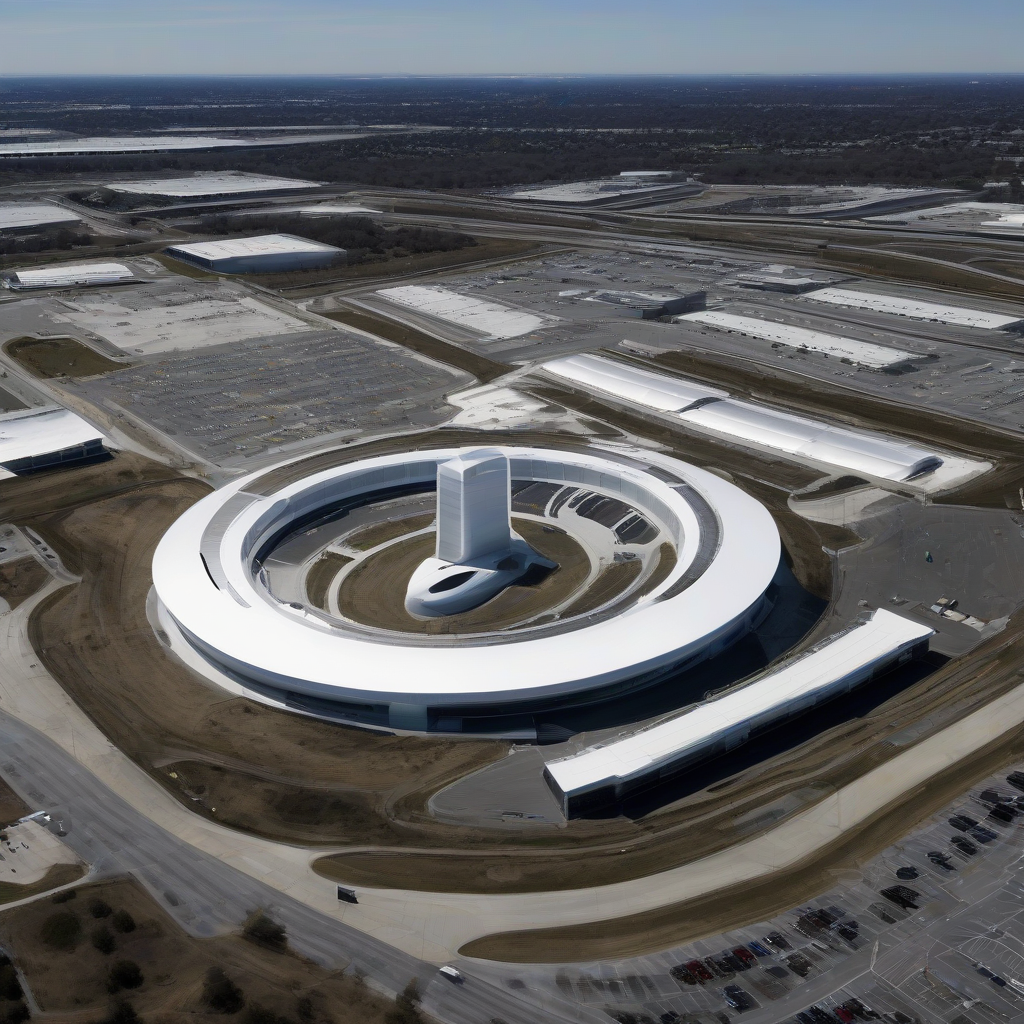
๐Ÿ“ธ Figure 1.2 ยท Operational Context
Figure 1.2: Secondary sector visual for Tesla briefing on Tesla Full Self-Driving Software Remains Linked to Traffic Citations.Skyline Intelligence

Strategic Implications

  • โœ“Tesla's Full Self-Driving technology does not prevent drivers from receiving speeding tickets.
  • โœ“Waymo's CEO spent forty minutes detailing why Tesla's current tech does not surpass human driving capabilities.
  • โœ“Liability for traffic violations remains with the vehicle owner despite automated features.

Tesla's Full Self-Driving (FSD) software continues to face challenges regarding its operational reliability in traffic, as recent reports suggest the system does not mitigate the risk of drivers incurring speeding violations, according to Electrek. Despite ongoing software updates, data indicates that the autonomous features currently deployed by the company do not absolve operators of responsibility for traffic infractions, placing the legal and financial burden squarely on the vehicle owners.

Industry discourse surrounding the efficacy of Teslaโ€™s driver-assistance technology remains polarized. Tekedra Mawakana, CEO of Waymo, recently provided an extended, forty-minute technical assessment outlining the fundamental differences between Tesla's vision-based approach and the sensor-heavy strategies utilized by competitors. The commentary highlights a persistent gap between the capabilities of existing consumer-grade automation and the performance benchmarks set by industry rivals.

Further compounding the narrative, recent public statements from former President Trump have reignited debates over the adoption of electric vehicles, questioning the long-term viability of the technology in a manner that transcends mere performance metrics. These political and technical hurdles arrive as the automotive industry faces increased pressure from regulators like the National Highway Traffic Safety Administration (NHTSA) to provide clear disclosures regarding the limitations of automated driving systems.

Operational Status Summary

FeatureReported LimitationRegulatory Status
Full Self-DrivingFailure to prevent speedingUnder NHTSA review
Waymo AutonomyHigh-sensor relianceCommercial operation

Why It Matters

The ongoing reliance on Teslaโ€™s FSD software while receiving moving violations highlights a critical misalignment between consumer expectations and real-world system capability. This discrepancy creates significant liability concerns for insurance underwriters and state departments of motor vehicles. If automated systems fail to adhere to basic posted speed limits, the path toward true Level 4 or Level 5 autonomy remains obscured. Industry participants must address these behavioral flaws before mass adoption of vehicle-to-everything (V2X) communication can be effectively implemented in urban environments.

Expected Next Steps

  • 1Increased regulatory scrutiny from NHTSA regarding driver assistance disclosures.
  • 2Potential changes to Tesla's liability insurance programs for FSD users.
  • 3Continued competitive analysis between Waymo and Tesla's vision-based stacks.

Frequently Asked Questions

No, according to Electrek, the system does not prevent drivers from receiving speeding citations.

Waymo CEO Tekedra Mawakana spent forty minutes explaining the differences between Tesla's technology and human-driven systems.

The vehicle owner remains responsible for all traffic infractions incurred while using the vehicle.

Source Transparency & Verified Dispatches

โœ“ Verified Primary Data
โœ“
Electrek๐Ÿ’ผ Corporate Dispatch
Source โ†—
โœ“
NHTSA๐Ÿ’ผ Corporate Dispatch
Source โ†—

Reader Discussion & Insights

Leave a Comment

Loading discussion thread...

Get Breaking Global Intel in Your Inbox

Subscribe to the Skyline Wire AI Daily Briefing. Direct insights across Aviation, Tech, EVs, and Markets.

Original announcement link: Electrek

teslafsdautonomous vehicleswaymotraffic citations
tesla full self driving ticketstesla fsd speedingwaymo vs tesla technologytesla autonomous driving riskelectric vehicle traffic violations