
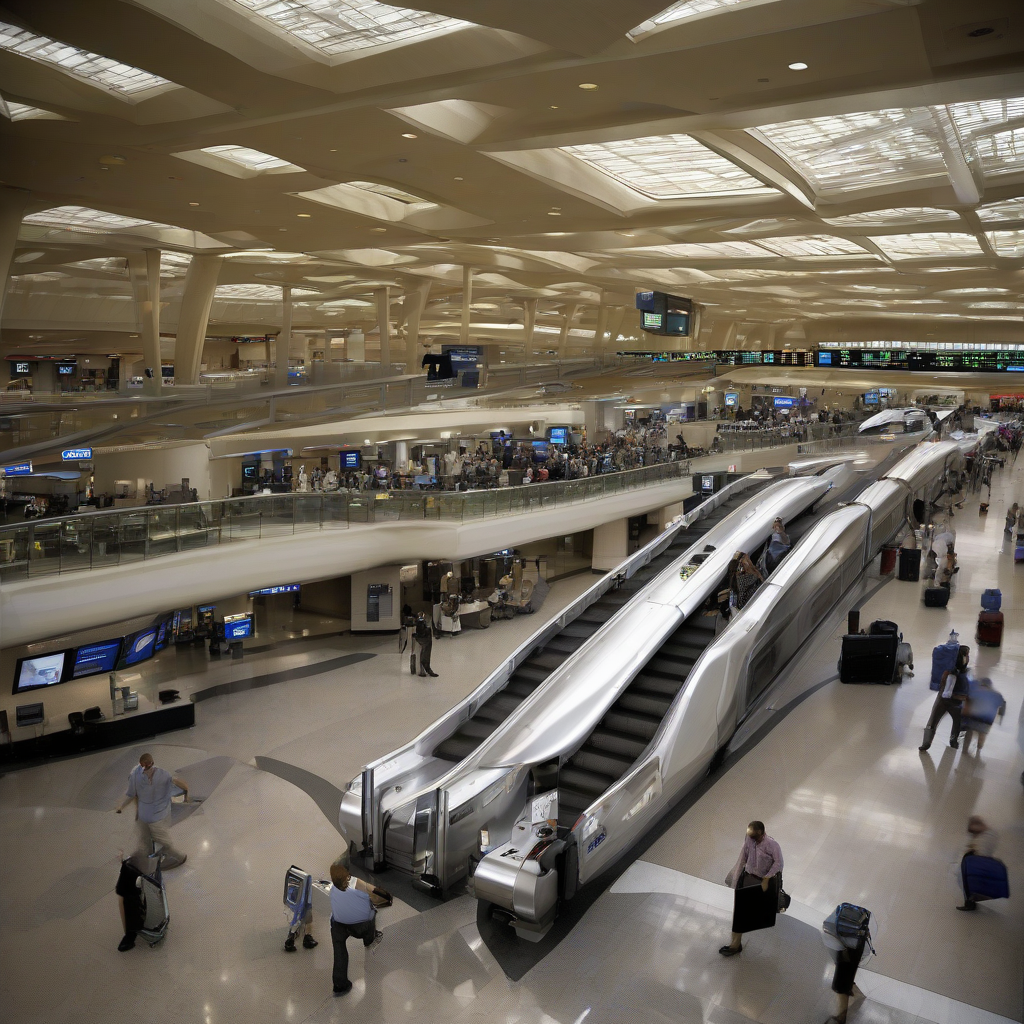
A strategic shift in corporate travel patterns is unfolding across the United States as several secondary markets experience significant development. According to Travel And Tour World, cities such as Tempe, Fort Lauderdale, and Reno are at the center of this expansion, fueled by substantial capital injections into technology, industry diversification, and major convention infrastructure.
Strategic Market Developments
The growth in these regions is underpinned by specific fiscal commitments directed toward modernizing physical and digital infrastructure. Regional authorities have prioritized airport upgrades and facility expansions to accommodate increased demand from business travelers. These investments are designed to align local industrial capabilities with the evolving requirements of national corporate hubs, moving beyond traditional metropolitan centers.
| Destination | Primary Growth Driver | Economic Focus |
|---|---|---|
| Tempe | Infrastructure Investment | Technology & Innovation |
| Fort Lauderdale | Convention Expansion | Industrial Diversification |
| Reno | Regional Development | Infrastructure Upgrades |
Industrial Expansion and Connectivity
The reported data highlights that investments reaching the billion-dollar mark are being utilized to enhance the functional capacity of regional transport nodes. By pairing airport enhancements with expanded convention capabilities, these municipalities are positioning themselves to capture a larger share of the corporate travel market. Industry analysts suggest that this geographic dispersion of business activity reflects a broader adjustment in how organizations prioritize accessibility and facility quality when selecting sites for conferences and corporate meetings.
Why It Matters
This movement indicates a decentralization of the American business travel sector. By pivoting away from primary gateway cities toward secondary markets, corporate entities are successfully reducing travel overhead while maintaining access to modern, high-tech convention infrastructure. The billion-dollar investment cycle suggests that these regional hubs are not merely temporary alternatives but are establishing themselves as permanent pillars of the national business infrastructure. This transition forces primary airline hubs to rethink route connectivity to these emerging centers to satisfy corporate demand for efficiency.
Reader Discussion & Insights