
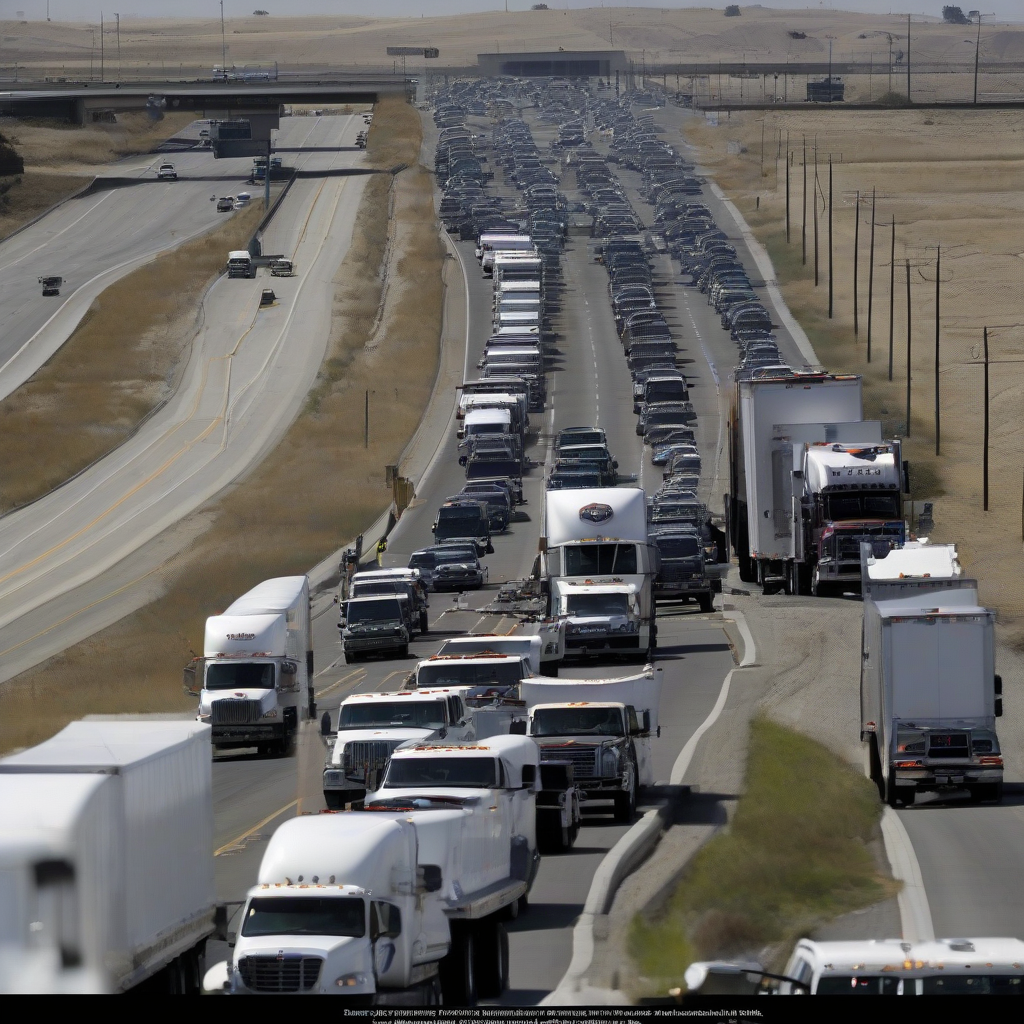
The International Brotherhood of Teamsters has filed a formal legal challenge against the state of California, aiming to halt new regulatory frameworks that permit the testing and deployment of self-driving trucks on public roadways. According to Autonomous Driving, this litigation represents a significant escalation in the ongoing labor conflict surrounding the automation of heavy-duty freight transport.
At the core of the dispute is the regulatory approach taken by the state toward autonomous vehicle technology in the logistics sector. The union contends that current oversight mechanisms fail to adequately account for public safety and the long-term impact on employment within the trucking industry. The lawsuit seeks to impose stricter limitations or a complete moratorium on autonomous vehicle expansion until comprehensive impact studies are completed.
Regulatory Landscape
| Stakeholder | Role in Dispute | Legal Stance |
|---|---|---|
| International Brotherhood of Teamsters | Plaintiff | Opposes expansion of autonomous trucks |
| California Regulatory Bodies | Defendant | Oversees permitting for AV testing/deployment |
| Autonomous Tech Providers | Industry Interests | Supports favorable regulatory environment |
This legal filing follows months of heightened tension between organized labor and technology firms developing Level 4 and Level 5 autonomous systems. While the state has prioritized the promotion of innovation through its Department of Motor Vehicles and other agencies, labor groups have consistently argued that the transition to machine-operated logistics requires legislative rather than purely administrative approval.
Why It Matters
The litigation highlights a structural tension between rapid technological adoption and the preservation of traditional labor roles. If the courts rule in favor of the Teamsters, it could trigger a nationwide re-evaluation of how states categorize heavy-duty autonomous vehicles. This creates an investment risk for technology developers who rely on clear permitting pipelines to scale operations. Furthermore, the outcome may dictate whether labor unions gain permanent standing to intervene in the state-level administrative permitting processes for emerging transport technologies, potentially setting a precedent for other sectors currently undergoing digital transformation.
Reader Discussion & Insights