
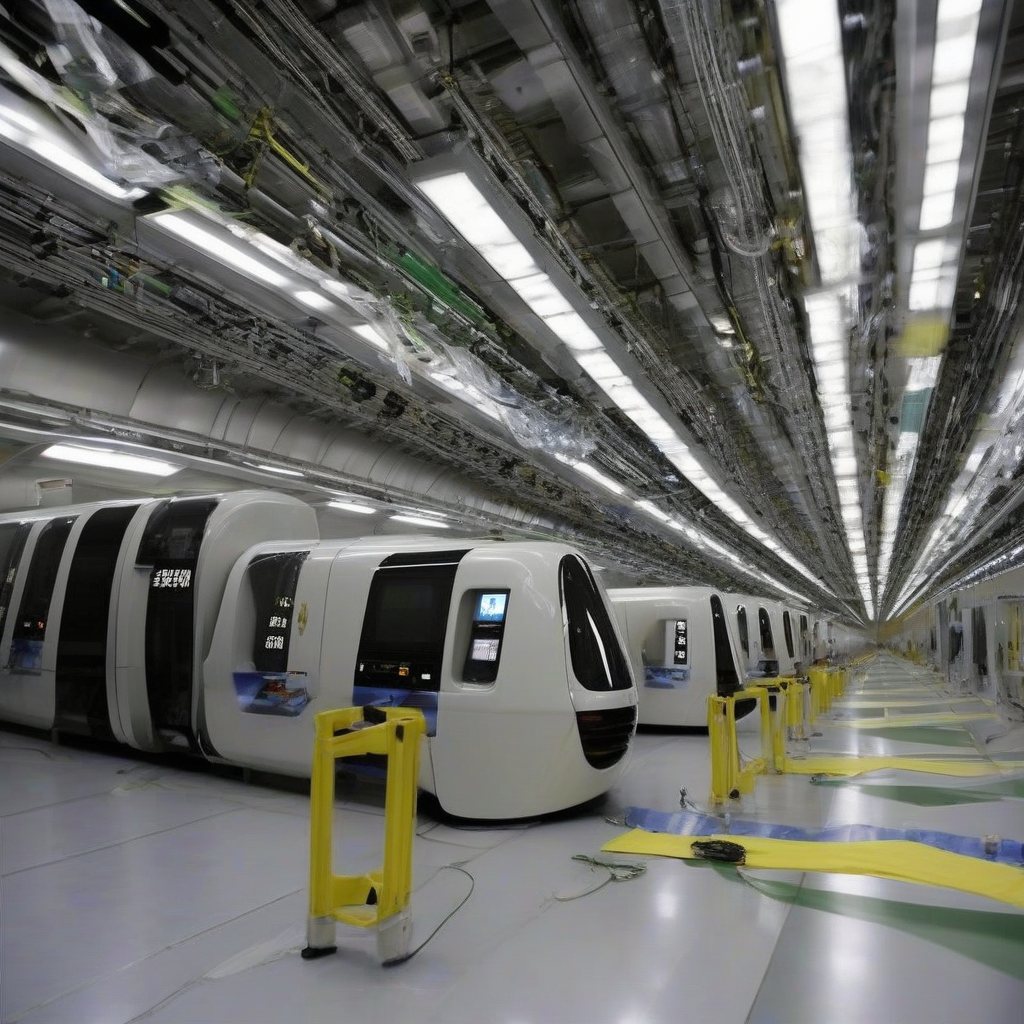

Taiwan is set to bolster its national transit infrastructure with the introduction of new high-speed rail units capable of reaching speeds of 300 kmph. According to Global Railway News, this fleet update utilizes technology derived from Japan’s established Shinkansen platform, maintaining a technical standard that has long defined the efficiency of Taiwan's current rail operations.
Technical Specifications
The integration of this rolling stock is intended to optimize current route performance and maintain the rigorous safety and transit standards required for high-speed travel. While the core engineering originates from the Japanese Shinkansen model, the deployment specifically addresses the operational requirements of Taiwan's transit corridors.
| Feature | Specification |
|---|---|
| Max Operating Speed | 300 kmph |
| Technology Origin | Japan (Shinkansen) |
| Primary Application | High-Speed Rail |
These trains are designed to sustain high-frequency operations, a hallmark of both the Japanese and Taiwanese rail networks. By relying on proven Shinkansen-based technology, the project minimizes the transition risks associated with implementing new rolling stock while ensuring interoperability with existing track infrastructure.
Operational Context
Taiwan’s continued reliance on Japanese engineering for its high-speed rail sector reflects a long-standing partnership in transit development. The procurement of these units serves to modernize the existing network, ensuring that ridership demand is met with reliable, high-speed alternatives to regional road and air travel. Regulatory oversight, typical of major infrastructure projects in the region, ensures that these units meet all relevant safety benchmarks prior to being cleared for public passenger service.
Why It Matters
Deploying 300 kmph rail units represents a calculated effort to preserve competitive transit times in an era where regional logistics are increasingly constrained. Beyond passenger convenience, this move signals a standardization of high-speed rail technology across East Asia. By standardizing components and operational methodologies with Japan, Taiwan reduces long-term maintenance costs and benefits from a mature supply chain. As carbon reduction goals become a priority for national transport departments, shifting short-haul travel demand from regional flights to high-speed rail is a prerequisite for achieving climate-related transit targets.
Reader Discussion & Insights