
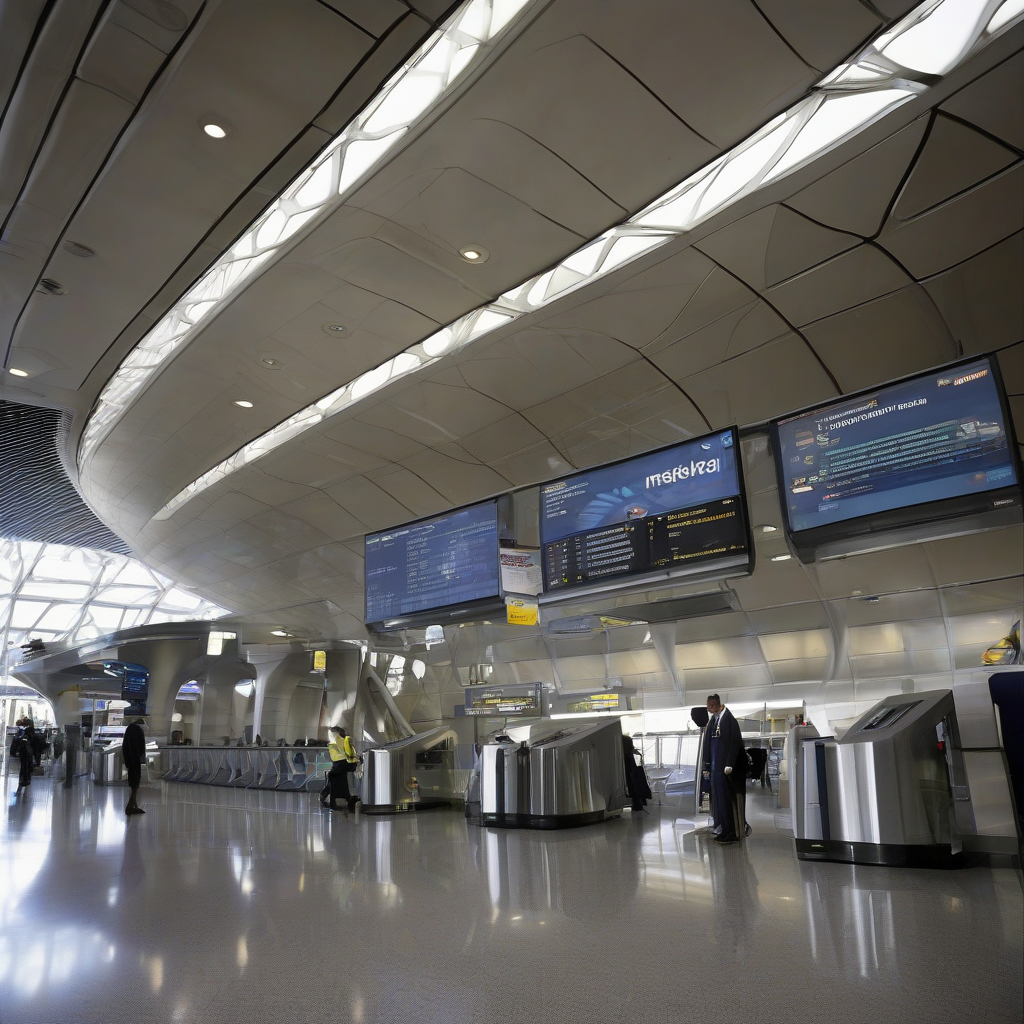
Sydney has officially introduced a new fleet of metro trains serving the Western Sydney airport corridor, according to Travel And Tour World. This infrastructure project represents a significant development in the region’s transit capabilities, focusing on integrating high-capacity rail with the newly emerging airport hub to facilitate smoother passenger movement.
The deployment of these trains is intended to provide a dedicated, high-frequency travel gateway. By leveraging advanced metro technology, transit authorities aim to reduce travel times and alleviate congestion for commuters and travelers moving through the Western Sydney area. The trains feature smart passenger amenities specifically tailored to the needs of those traveling with luggage and navigating airport arrivals and departures.
| Feature | Detail |
|---|---|
| Service Type | Airport Metro Rail |
| Region | Western Sydney |
| Passenger Focus | Transit Accessibility |
| Source Citation | Travel And Tour World (TTW-1945247-1785892633) |
Official planning documentation indicates that the rail project is part of a broader commitment to long-term metropolitan growth. As the airport nears operational status, the alignment of the metro line with existing regional transit networks is expected to play a vital role in passenger throughput. Local government and transport regulators have prioritized this link to ensure that the Western Sydney airport can support increased demand without relying exclusively on road-based transport.
Why It Matters
The integration of metro rail into airport infrastructure is an essential step for large-scale urban development. By prioritizing high-speed, rail-based connectivity, Sydney is shifting away from traditional private-vehicle reliance, which has historically been a bottleneck for airport access in major metropolitan areas. This transition not only reduces the carbon footprint associated with airport traffic but also ensures consistent, predictable transit windows for passengers. Such projects demonstrate how urban planning must precede commercial airport expansion to maintain operational efficiency and regional economic mobility in competitive markets.
Reader Discussion & Insights