
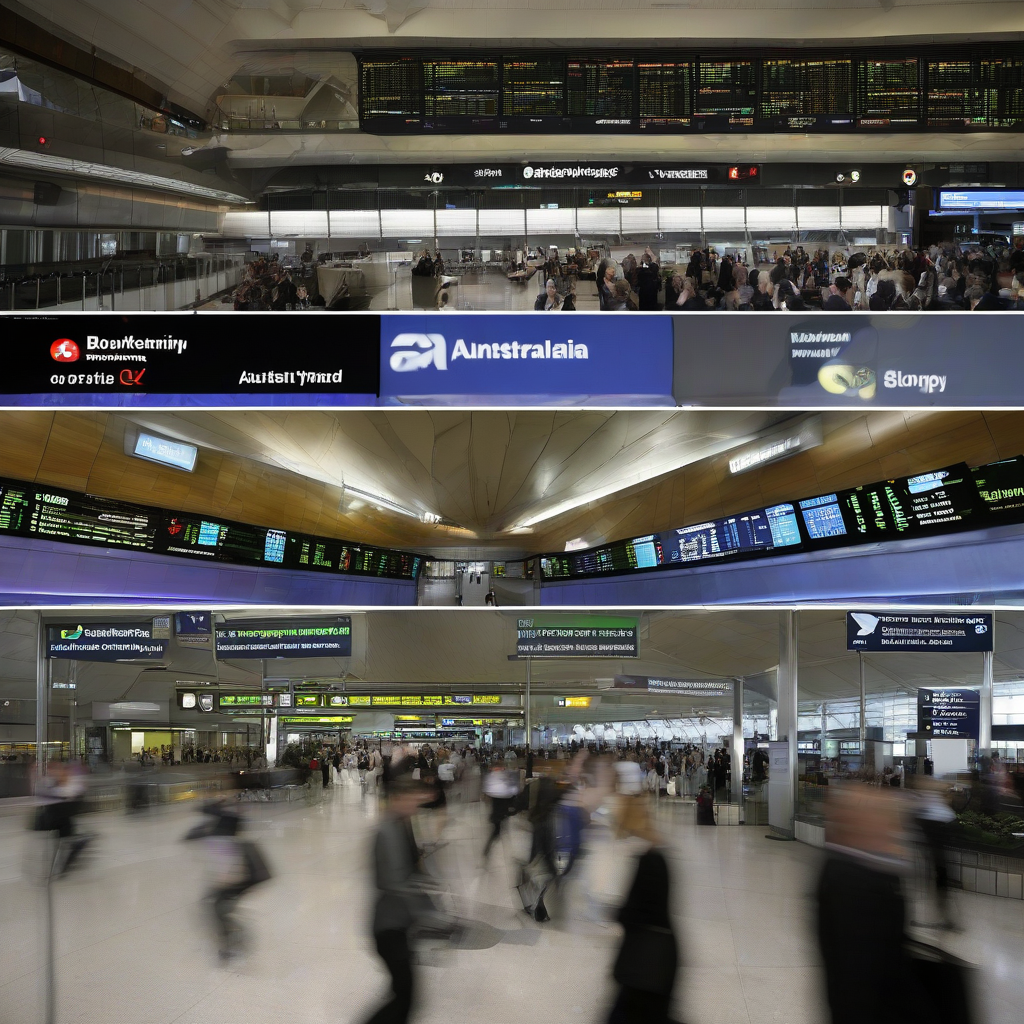
Sydney has officially established itself as the primary engine driving Australia's tourism sector, maintaining a dominant role in national growth metrics for seven consecutive months in 2026. According to Travel And Tour World, the city has been the cornerstone of a broader, sustained upturn in international and domestic visitor volumes, consistently outpacing other regional hubs.
The data indicates that Sydney’s performance has been central to the positive tourism narrative defining the current calendar year. This period of growth, stretching from early 2026, reflects a steady accumulation of visitor traffic that has stabilized the industry across the continent. While the national tourism market has experienced fluctuating demand in previous years, the seven-month period identified marks a specific window of peak consistency for the New South Wales capital.
Tourism Performance Overview
| Metric | Duration | Primary Driver |
|---|---|---|
| Sustained Growth Period | 7 Months | Sydney |
| Data Reference | 2026 | Travel And Tour World |
| Industry Context | Year-to-Date | Australia Tourism |
Official tourism reports suggest that the infrastructure investments directed toward Sydney’s major transit hubs and cultural landmarks have yielded tangible results in visitor retention and arrival frequency. These trends align with broader observations in national economic reviews which track consumer spending patterns in the leisure and hospitality sectors. The resilience shown by Sydney in maintaining this momentum suggests that current marketing strategies and regional connectivity improvements are effectively capturing market share.
Why It Matters
Sydney’s sustained performance serves as a vital indicator for the broader Asia-Pacific travel economy. By acting as the primary entry point for international arrivals, the city’s ability to maintain high visitor throughput creates a multiplier effect for regional tourism operators. If this trend continues, secondary cities may experience increased spillover demand, prompting a necessary expansion in aviation slot allocations and hotel capacity. However, such rapid growth also places strain on municipal transit systems, requiring long-term planning to ensure the quality of the visitor experience does not degrade under the pressure of higher volumes.
Reader Discussion & Insights