
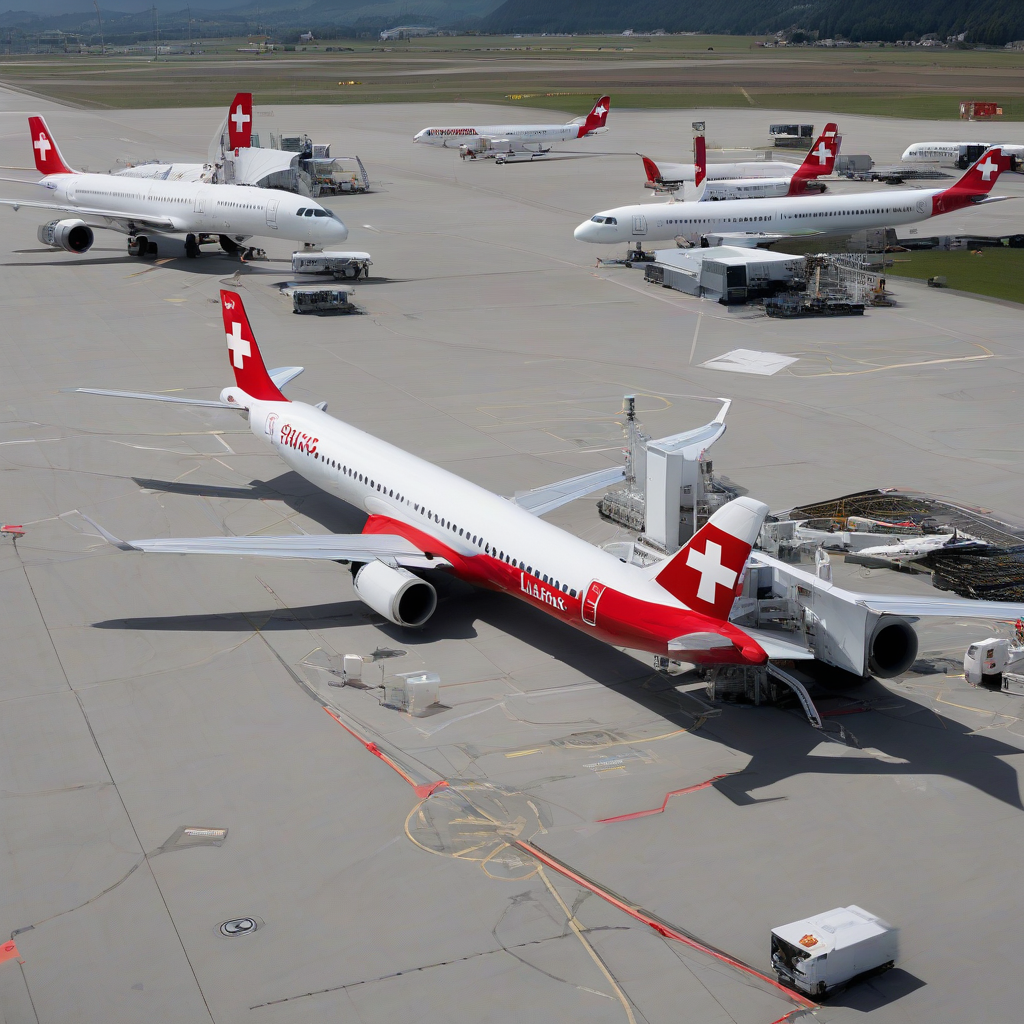

Swiss International Air Lines has confirmed plans to phase out its remaining Airbus A220-100 sub-fleet by the end of 2027, according to FlightGlobal. This decision forms part of a broader strategy by the Lufthansa Group to optimize its fleet composition and improve overall earnings.
Fleet Composition and Current Status
Originally, the Swiss carrier operated a total of nine A220-100 aircraft. As of the latest reporting, only four of these units remain in active service, while three have been placed in storage. The remaining two units are undergoing a part-out process, which will yield more than 2,000 components and engines to serve as spare parts for the airline's active A220 fleet. The carrier currently maintains a 21-strong fleet of the larger A220-300 variant, which remains unaffected by the phase-out.
| Aircraft Model | Initial Count | Currently Active | Stored | Status |
|---|---|---|---|---|
| Airbus A220-100 | 9 | 4 | 3 | Phasing out by 2027 |
| Airbus A220-300 | N/A | 21 | 0 | Continuing operations |
Operational Context
Lufthansa Group CFO Till Streichert addressed the fleet optimization strategy during the group’s half-year financial briefing. He highlighted the move as a safeguarding measure intended to improve the company's financial results. Operational readiness for the larger A220-300 fleet has been prioritized, leading to the temporary grounding of some A220-100s. The entire A220 fleet relies exclusively on Pratt & Whitney PW1500G geared-turbofan engines, which have faced well-documented durability issues throughout the industry.
Why It Matters
The move signals a growing industry trend toward fleet standardization to mitigate the impacts of engine supply chain bottlenecks. By sunsetting the smaller A220-100, Swiss effectively reduces the complexity of its maintenance requirements and inventory management. Consolidating around the A220-300 provides the airline with greater capacity per departure while streamlining the utilization of critical spares salvaged from the decommissioned fleet. This approach highlights the difficult choices operators face when balancing legacy sub-fleet costs against the ongoing maintenance burdens of new-generation engine platforms.
Reader Discussion & Insights