
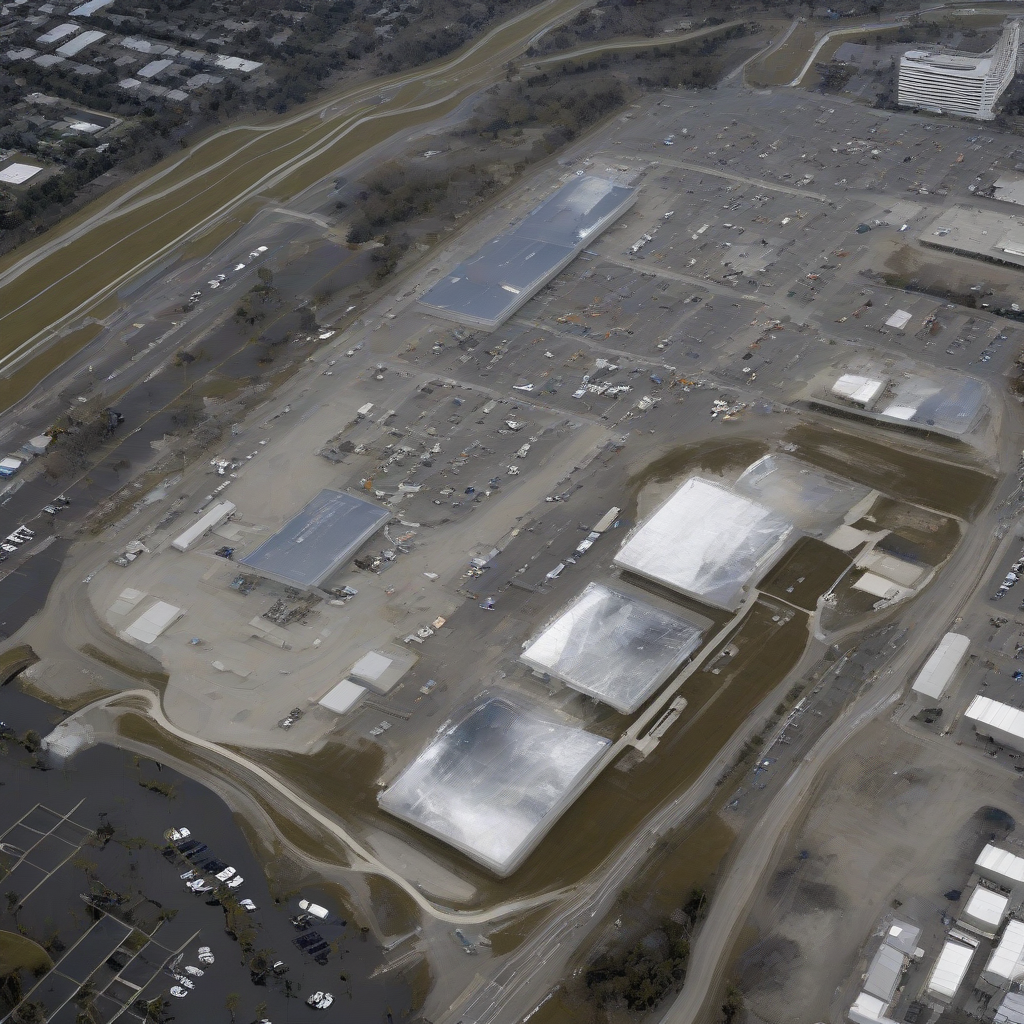

The prospects for major hurricane landfalls across the Atlantic basin during the current season are tracking as well below-average, primarily due to the atmospheric influence of an emerging Super El Niño, according to Hurricane Tracker. Meteorological patterns associated with this climate phenomenon typically increase vertical wind shear, which serves as a disruptive force against the development and organization of tropical cyclones in the Atlantic.
Seasonal Outlook Data
| Metric | Status | Primary Driver |
|---|---|---|
| Major Landfall Probability | Well Below-Average | Super El Niño |
| Atmospheric Influence | Increased Vertical Wind Shear | El Niño Phase |
While historical data suggests that Atlantic activity can fluctuate based on sea surface temperatures and oceanic oscillations, the transition into a robust El Niño phase creates conditions unfavorable for the sustained intensification of hurricanes. Meteorologists monitoring these cycles observe that when these conditions align, the protective shear environment frequently prevents storms from reaching their maximum potential intensity or maintaining structural integrity long enough to threaten coastal regions with major landfall events.
Official tracking and modeling platforms, such as those utilized by Hurricane Tracker, monitor the Pacific-Atlantic teleconnections that define these seasonal outlooks. These models weigh the intensity of the Super El Niño against prevailing moisture levels in the tropical Atlantic to determine the likelihood of severe weather impacts.
Why It Matters
The reduction in projected major hurricane landfalls provides significant implications for the insurance, logistics, and supply chain sectors. Reduced storm frequency lowers risk premiums for marine shipping lanes and coastal infrastructure assets. From a commercial standpoint, industries reliant on predictable maritime operations in the Atlantic, such as global freight and energy extraction, can recalibrate risk management strategies to account for potentially fewer site evacuations and weather-related operational shutdowns. While the threat of individual storms remains, the macro-level shift in probability offers a reprieve for critical infrastructure planning throughout the hurricane season.
Reader Discussion & Insights