
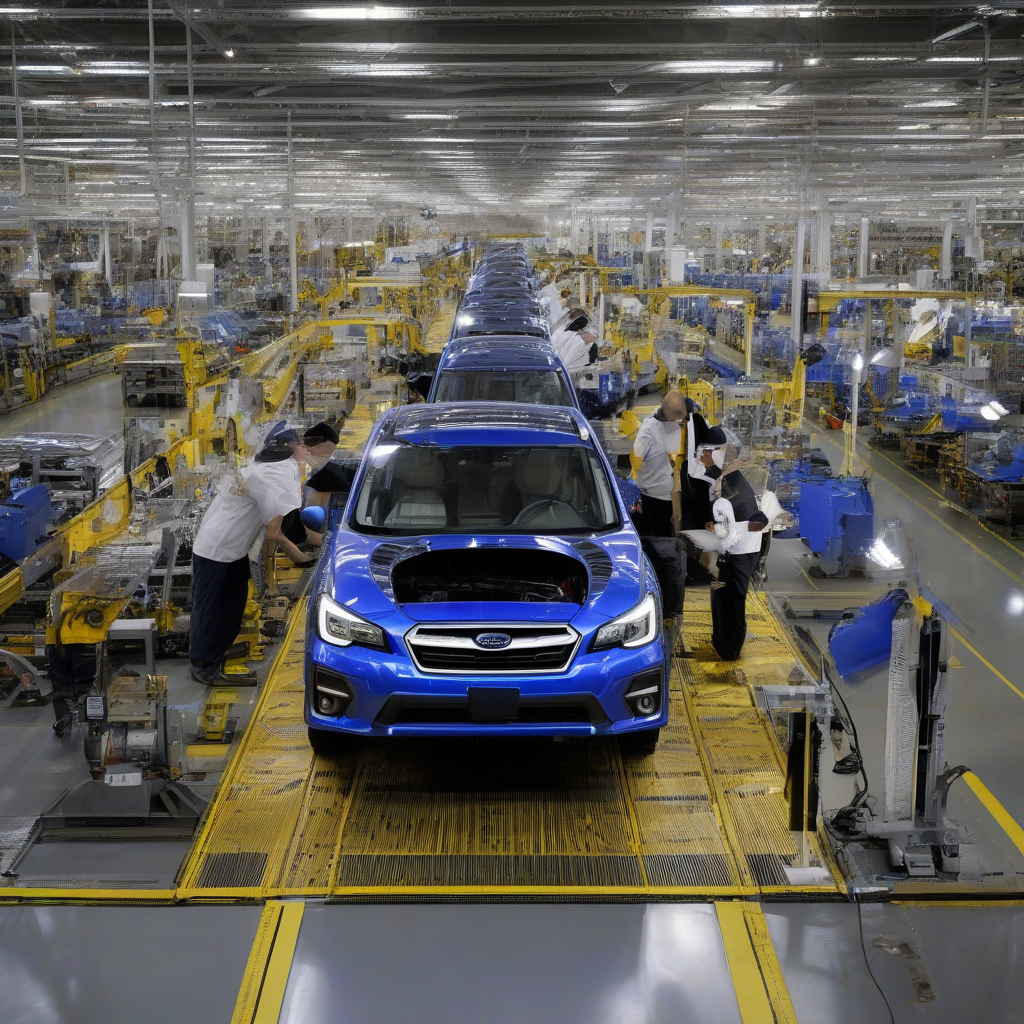

Subaru has reported a significant financial contraction, with profits falling 44% in the latest quarter. According to Electric Vehicles, this downturn is largely attributable to heavy spending on electric vehicle development and increased reliance on marketing incentives to maintain market positioning.
The decline reflects the substantial capital expenditure required by legacy automakers as they transition toward electrification. Subaru is balancing the technical requirements of retooling production lines with the cost of consumer-facing incentives designed to compete with aggressive pricing strategies seen across the automotive sector.
Financial disclosures indicate that the pressure on margins is persistent as the company attempts to scale its battery-powered portfolio. While Subaru remains committed to its long-term product roadmap, the immediate impact on its fiscal performance highlights the high barrier to entry for establishing a competitive presence in the EV market without sacrificing short-term profitability.
Financial Performance Summary
| Metric | Change / Value |
|---|---|
| Quarterly Profit | -44% |
Why It Matters
Subaru’s financial performance serves as a bellwether for mid-sized automotive manufacturers navigating the high-cost transition to electrification. Unlike industry giants with massive cash reserves, mid-tier players face a difficult trade-off between sacrificing current dividends for future market share. The reliance on incentives to drive sales suggests that demand for early-stage EV models remains sensitive to price. If automakers continue to absorb the cost of these incentives, the industry may see further margin compression throughout the fiscal year, potentially forcing a recalibration of R&D budgets or a slowdown in electric model rollouts.
Reader Discussion & Insights