
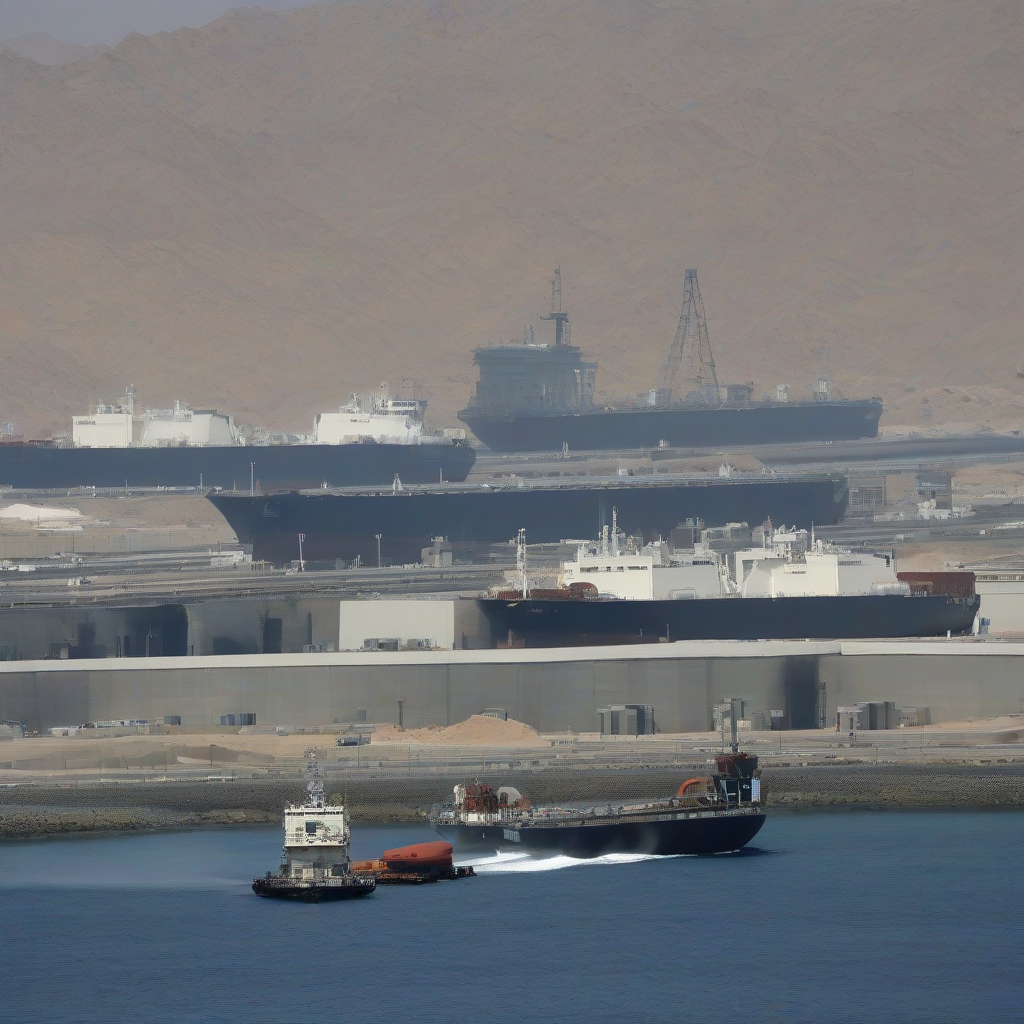
According to OilPrice.com, maritime movement through the Strait of Hormuz remains heavily constrained. Despite recent reports indicating potential progress in regional peace negotiations, logistical data suggests that the critical shipping chokepoint is seeing limited activity.
Data tracked by Kpler confirms that only five tankers navigated the waterway yesterday. Of these, three vessels entered the strait, while two exited. This volume is consistent with the reduced transit patterns observed since the onset of the U.S.-Israeli conflict with Iran.
Among the vessels recorded was an Emirati LNG carrier, identified as the Mubaraz LNG, which exited the strait on Tuesday. The vessel was transporting cargo destined for India. Notably, this voyage marks the third time the Mubaraz LNG has transited the Strait of Hormuz since the start of the conflict at the end of last year.
Vessel Transit Summary
| Direction | Vessel Count | Key Cargo/Details |
|---|---|---|
| Entering | 3 | N/A |
| Exiting | 2 | Includes Mubaraz LNG (En route to India) |
| Total | 5 | Daily aggregate |
Why It Matters
The persistence of low traffic volumes in the Strait of Hormuz serves as a leading indicator for global energy market anxiety. Because a significant portion of the world’s seaborne oil and gas passes through this narrow passage, any sustained decline in throughput suggests that commercial entities are pricing in long-term geopolitical risks rather than reacting to short-term diplomatic headlines. For the energy sector, this implies that shipping costs and insurance premiums for Middle Eastern crude will likely remain elevated until there is a tangible, rather than speculative, reduction in regional volatility.
Reader Discussion & Insights