
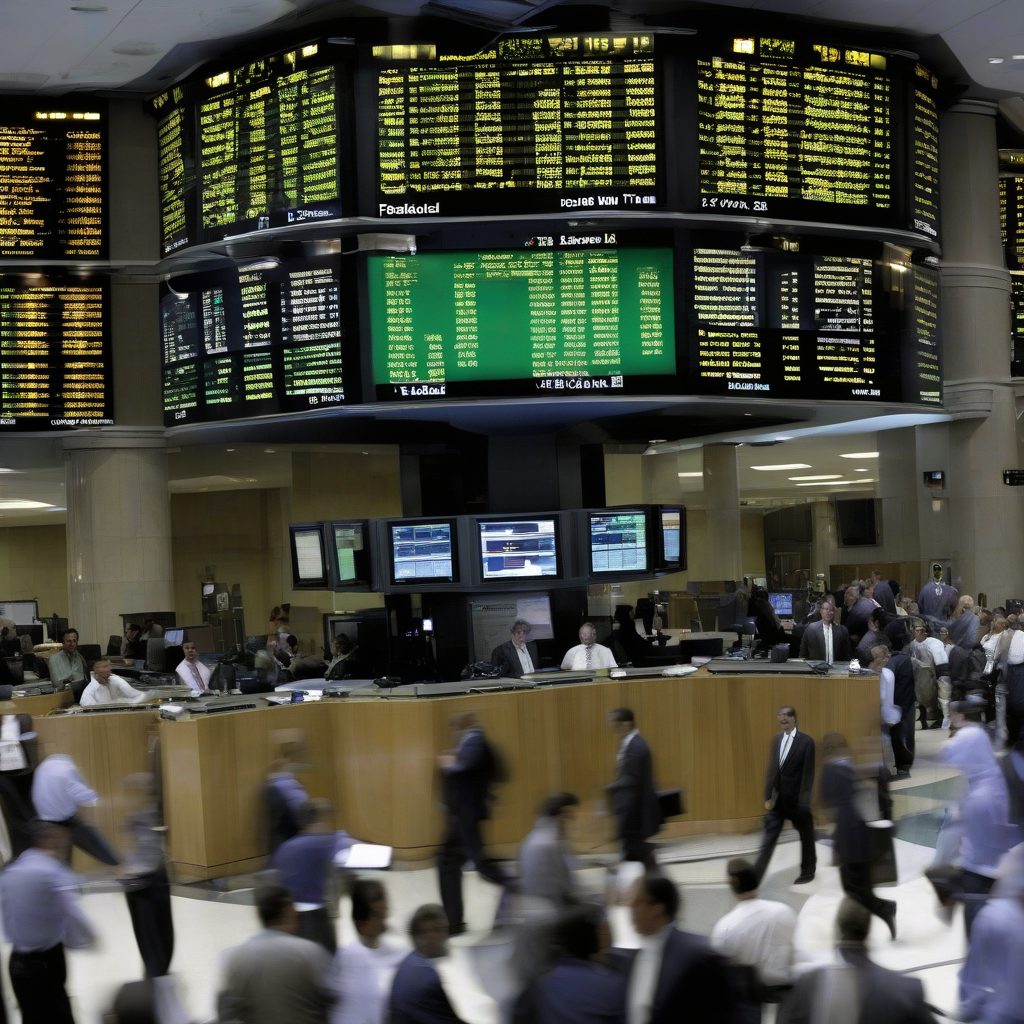
Financial markets shifted on reports of a possible deal involving the Strait of Hormuz, triggering a rally in equities and a decline in oil prices. According to WSJ — Markets, the positive investor sentiment follows signals regarding an agreement that could stabilize one of the world's most critical energy transit corridors.
Simultaneous to the geopolitical shift, the technology sector saw renewed momentum. Palantir Technologies experienced a notable surge in its share price as investors poured back into artificial intelligence assets. This resurgence in the AI trade suggests that market participants are rotating back into growth-oriented tech stocks as macro risks appear to moderate.
Market Data Summary
| Asset Class | Market Movement | Primary Driver |
|---|---|---|
| Equities | Rally | Hormuz Deal Signals |
| Oil | Decline | Geopolitical De-escalation |
| Palantir | Surge | AI Sector Rebound |
Official market data confirms that the combination of energy price stabilization and tech sector strength created a broad-based rally. While central banks remain the primary focus for long-term monetary policy, the immediate volatility in the energy sector is being dictated by developments in diplomatic channels and regional maritime security.
Why It Matters
The simultaneous rally in equities and the drop in oil prices underscore a classic 'risk-on' market environment. Energy prices act as a tax on the global economy; when crude prices fall, discretionary income for consumers and lower overhead for industrial manufacturing firms increase. The rebound in the AI sector indicates that capital is once again prioritizing technological productivity gains over defensive positioning. As long as the Strait of Hormuz remains open and stable, global supply chains face fewer inflationary pressures, allowing tech valuations to command a higher premium in the current fiscal cycle.
Reader Discussion & Insights