
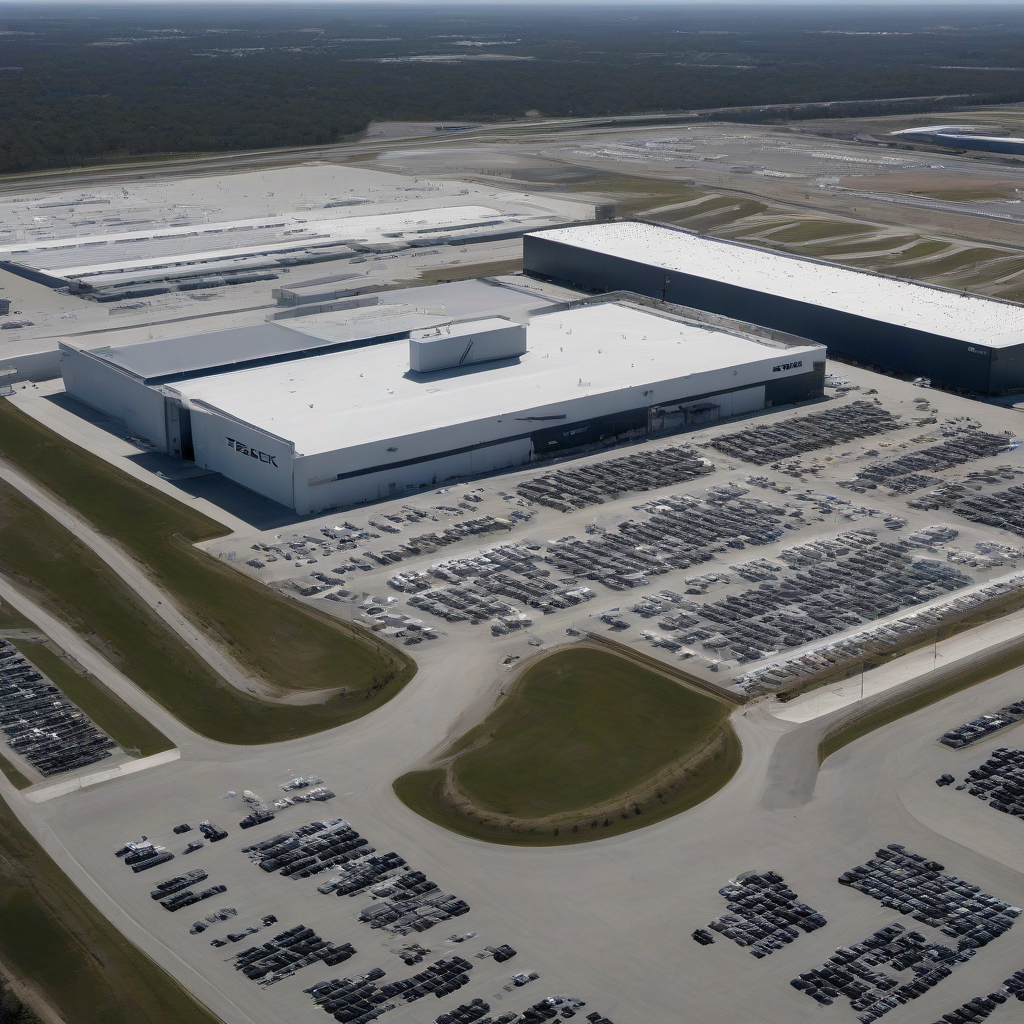
SpaceX has ramped up its procurement of Tesla Megapack units throughout the second quarter, according to Tesla. The space exploration firm is utilizing the utility-scale energy storage solutions to facilitate the operation of its growing artificial intelligence infrastructure and data centers.
Operational Data and Procurement
The strategic acquisition of these energy storage units reflects a concerted effort by SpaceX to ensure reliable, high-capacity power for its computational hardware. While specific unit counts or financial values for the individual purchase orders were not disclosed in the immediate disclosure, the company confirmed the acceleration of deployments during the Q2 period. The Megapack, designed for grid-scale energy storage, serves as a critical component in stabilizing power supply for high-demand computing environments.
| Deployment Metric | Status |
|---|---|
| Procurement Period | Q2 |
| Technology | Tesla Megapack |
| Primary Use Case | AI Data Center Power |
| Deployment Scope | Expanded |
Regulatory and Market Context
Tesla continues to integrate its energy business into its broader corporate strategy, positioning the Megapack as a lead product for industrial-scale energy storage. The relationship between SpaceX and Tesla often involves shared technological resources and internal supply chain logistics, which have become increasingly significant as both companies scale their AI-driven capabilities. Financial analysts and observers are monitoring these internal transfers closely as they reflect the growing energy requirements necessitated by high-performance computing requirements for satellite communication networks and orbital modeling.
Why It Matters
The integration of Tesla’s energy storage systems into SpaceX’s infrastructure highlights the vertical integration strategy shared by companies under Elon Musk’s leadership. By utilizing proprietary battery technology, SpaceX circumvents potential delays and cost fluctuations associated with third-party energy suppliers for its data centers. This trend signals a shift toward self-sufficient energy management for aerospace firms that require massive, uninterrupted computing power to process telemetry data and machine learning datasets. As the demand for AI computation scales globally, the ability to rapidly deploy modular, high-capacity storage is becoming a competitive advantage for technology-heavy sectors.
Reader Discussion & Insights