
LIVE·

Global News & Market Intelligence · Verified Official Dispatches

Editions:
LIVEMARKETS:
S&P 500 5,640.20 (+0.45% )|NASDAQ 17,855.10 (+0.62% )|BRENT CRUDE $82.40 (-0.85% )|BITCOIN $64,250.00 (+1.90% )
Breaking
SpaceX· 🌍 Global

SpaceX Falcon 9 Upper Stage Impacts Moon at 5,400 MPH

A SpaceX Falcon 9 upper stage struck the lunar surface at 5,400 mph on August 5. NASA is now utilizing orbiters to assess the resulting impact crater.

By Skyline Wire Newsroom · Published Source: Space.com · Verified Reporting

Key Story Metrics & Context

Industry Sector:Space
Companies Impacted:SpaceX, Firefly Aerospace, ispace
Geographic Scale:USA 🇺🇸, Japan 🇯🇵, South Korea 🇰🇷
Reporting Status:✓ Multi-Source Verified
SpaceX Falcon 9 Upper Stage Impacts Moon at 5,400 MPH

Executive Brief & Verified Analysis

✓ OFFICIAL SOURCES REVIEWED

Executive Summary

A SpaceX Falcon 9 upper stage struck the lunar surface at 5,400 mph on August 5. NASA is now utilizing orbiters to assess the resulting impact crater.

Why This Matters

Key strategic implication: The SpaceX Falcon 9 upper stage struck the moon at 5,400 mph (8,690 kph).

Market Impact

Verified for SpaceX, Firefly Aerospace, ispace. Primary market adjustment vector.

Source Verification

Cross-referenced across regulatory dispatches, official press releases, and verified wire filings.

Strategic Implications

  • The SpaceX Falcon 9 upper stage struck the moon at 5,400 mph (8,690 kph).
  • The impacting object weighed 9,000 pounds (4,000 kilograms).
  • Researchers expect the impact to create a crater up to 89 feet (27 meters) in width.
  • NASA's Lunar Reconnaissance Orbiter and ShadowCam are attempting to document the site.

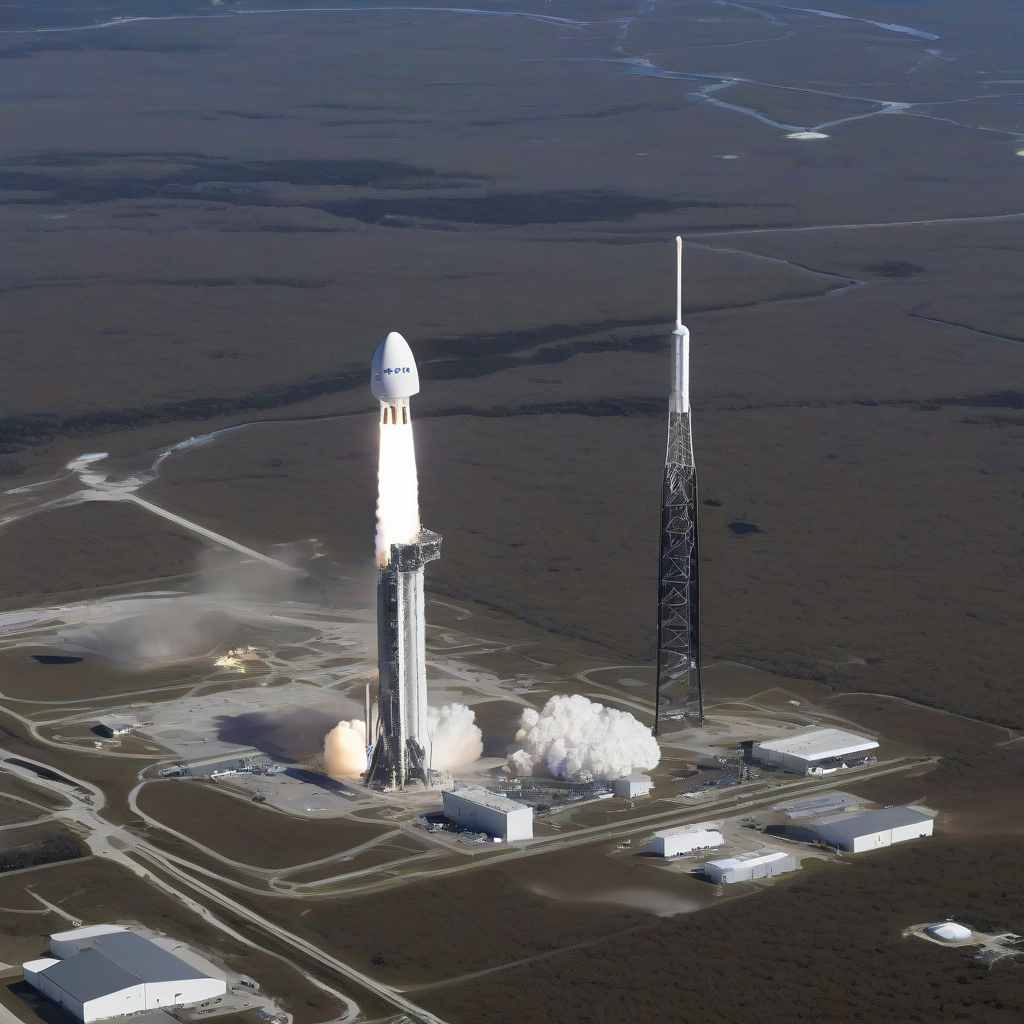
On August 5, at approximately 2:35 a.m. EDT (0635 GMT), the upper stage of a SpaceX Falcon 9 rocket collided with the lunar surface. According to Space.com, the debris was traveling at 5,400 mph (8,690 kph) at the time of impact. This event concludes the trajectory of the hardware, which had been in a high, moon-crossing Earth orbit since launching two commercial landers—Firefly Aerospace’s Blue Ghost and ispace’s Resilience—in January 2025.

While Falcon 9 first stages are engineered for controlled recovery and reuse, the 9,000-pound (4,000 kilograms) upper stage is designed to be disposable. Following its mission, the stage lacked sufficient propellant to perform a deorbit maneuver back into Earth's atmosphere. Julianna Scheiman, SpaceX director of NASA science and Dragon programs, noted on August 3 that solar activity and gravitational forces ultimately altered the stage's path, placing it on a collision course with the moon.

Impact Technical Specifications

ParameterValue
Impact DateAugust 5, 2025
Impact Time2:35 a.m. EDT (0635 GMT)
Speed at Impact5,400 mph (8,690 kph)
Estimated Crater WidthUp to 89 feet (27 meters)
Object Weight9,000 pounds (4,000 kilograms)

NASA is currently coordinating efforts to document the aftermath. According to the agency’s Goddard Space Flight Center, the Lunar Reconnaissance Orbiter and the ShadowCam instrument on the Korea Pathfinder Lunar Orbiter are tasked with capturing before-and-after imagery. Rob Garner, a NASA spokesperson, stated that successful data collection depends on orbital timing, lighting conditions, and the precise impact location. Additionally, NASA’s Meteoroid Environments Office is utilizing ground-based telescopes at the Marshall Space Flight Center to monitor for any visible flash, though expectations for success remain low due to atmospheric interference.

Why It Matters

This incident highlights a growing challenge for orbital debris management in cislunar space. As private companies increase the frequency of high-energy deep space missions, the disposal of upper stages becomes a critical regulatory hurdle. While this specific impact was involuntary, it offers researchers a rare opportunity to study lunar geology through controlled—albeit accidental—artificial cratering. Standardizing disposal protocols for deep space assets is essential as the commercial sector expands its presence beyond low-Earth orbit, ensuring that future traffic does not interfere with permanent lunar infrastructure or scientific study zones.

Deployment Roadmap & Timeline

January 2025

Falcon 9 rocket launches two private lunar landers, Blue Ghost and Resilience.

August 3, 2025

SpaceX discusses safety maneuvers for the upper stage during a press conference.

August 5, 2025

The rocket upper stage impacts the moon at approximately 2:35 a.m. EDT.

Expected Next Steps

  • 1NASA orbiters will attempt to maneuver over the impact site for imaging.
  • 2Data will be analyzed to understand the effects of artificial objects on the lunar surface.
  • 3Ground-based telescopes at Marshall Space Flight Center will review potential impact flash data.

Frequently Asked Questions

No. The rocket was disposed of according to safety regulations for high-energy missions, but solar activity and gravity forces pushed it toward the moon.

Scientists calculate the crater could be up to 89 feet (27 meters) wide.

The chances of observing the impact flash or plume from Earth are low due to faintness and potential interference from local weather conditions.

Source Transparency & Verified Dispatches

✓ Verified Primary Data
NASA Goddard Space Flight Center💼 Corporate Dispatch
Source ↗
SpaceX💼 Corporate Dispatch
Source ↗

Reader Discussion & Insights

Leave a Comment

Loading discussion thread...

Get Breaking Global Intel in Your Inbox

Subscribe to the Skyline Wire AI Daily Briefing. Direct insights across Aviation, Tech, EVs, and Markets.

Original announcement link: Space.com

spacexmoonlunar-impactaerospace
spacex falcon 9 moon impactlunar crash sitespace debrisnasa lunar reconnaissance orbiterspace exploration