
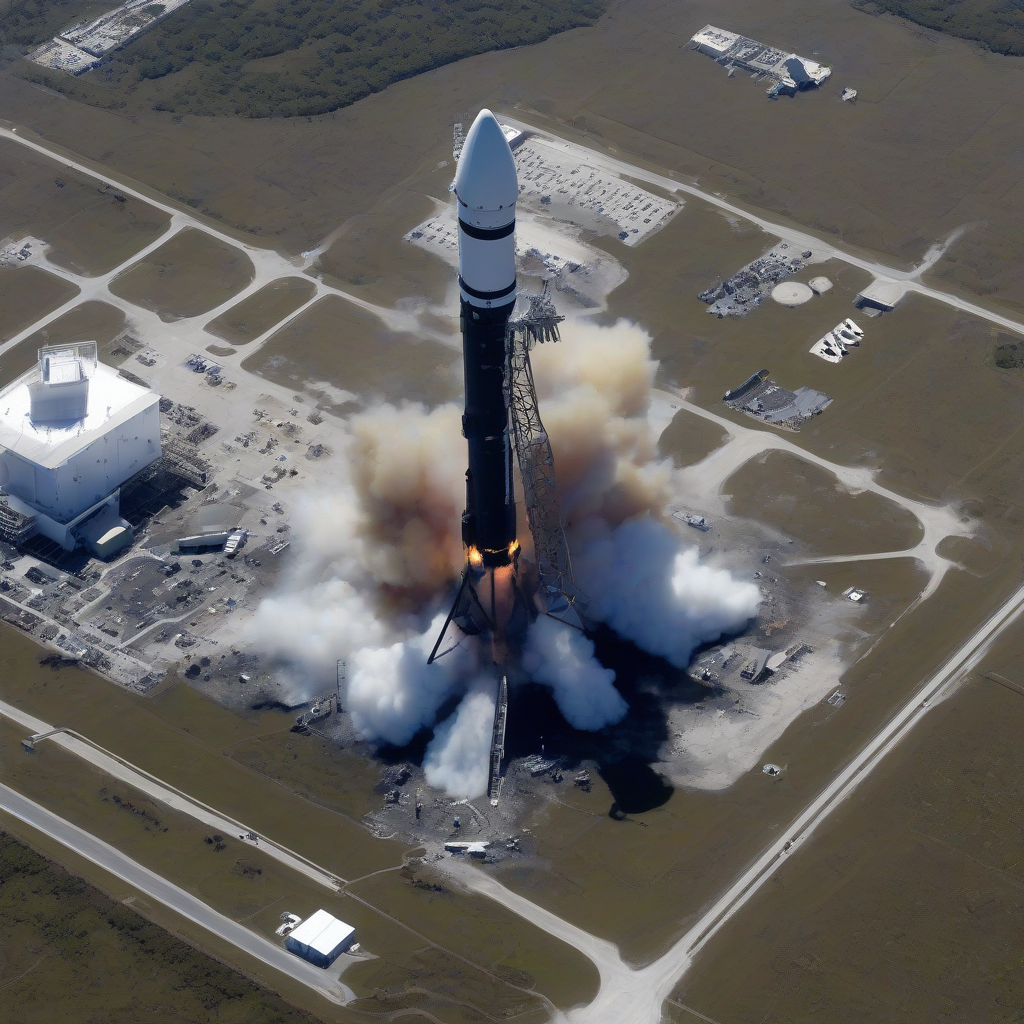

A SpaceX Falcon 9 rocket, which served as the launch vehicle for the Blue Ghost mission in January 2025, has concluded its trajectory by crashing into the lunar surface. According to Engadget, the upper stage of the vehicle reached the moon after completing its primary mission objectives.
Mission Flight Data
| Attribute | Detail |
|---|---|
| Vehicle Model | Falcon 9 |
| Mission Name | Blue Ghost |
| Launch Date | January 2025 |
| Outcome | Lunar Impact |
The Falcon 9, a workhorse for SpaceX’s launch services, typically re-enters Earth's atmosphere to burn up or attempts a recovery via autonomous droneship landings. In this specific instance, the hardware remained in deep space long enough to encounter the lunar body. While orbital debris is a frequent topic of discussion for the Federal Aviation Administration (FAA) and the Federal Communications Commission (FCC) regarding low-Earth orbit, lunar impacts represent a different operational environment.
Why It Matters
The impact highlights the increasing density of human-made objects in the cislunar space environment. As lunar exploration intensifies through NASA's Artemis program and commercial entities, the management of spent rocket stages becomes a significant factor for space situational awareness. Unlike Earth-orbiting debris, which is monitored by the U.S. Space Command, objects on trajectories toward the moon often lack the rigorous tracking data required to prevent unintended collisions with lunar assets. This event emphasizes the need for international space traffic management standards to ensure that future commercial logistics do not endanger planned landing sites or research zones on the lunar surface.
Reader Discussion & Insights