
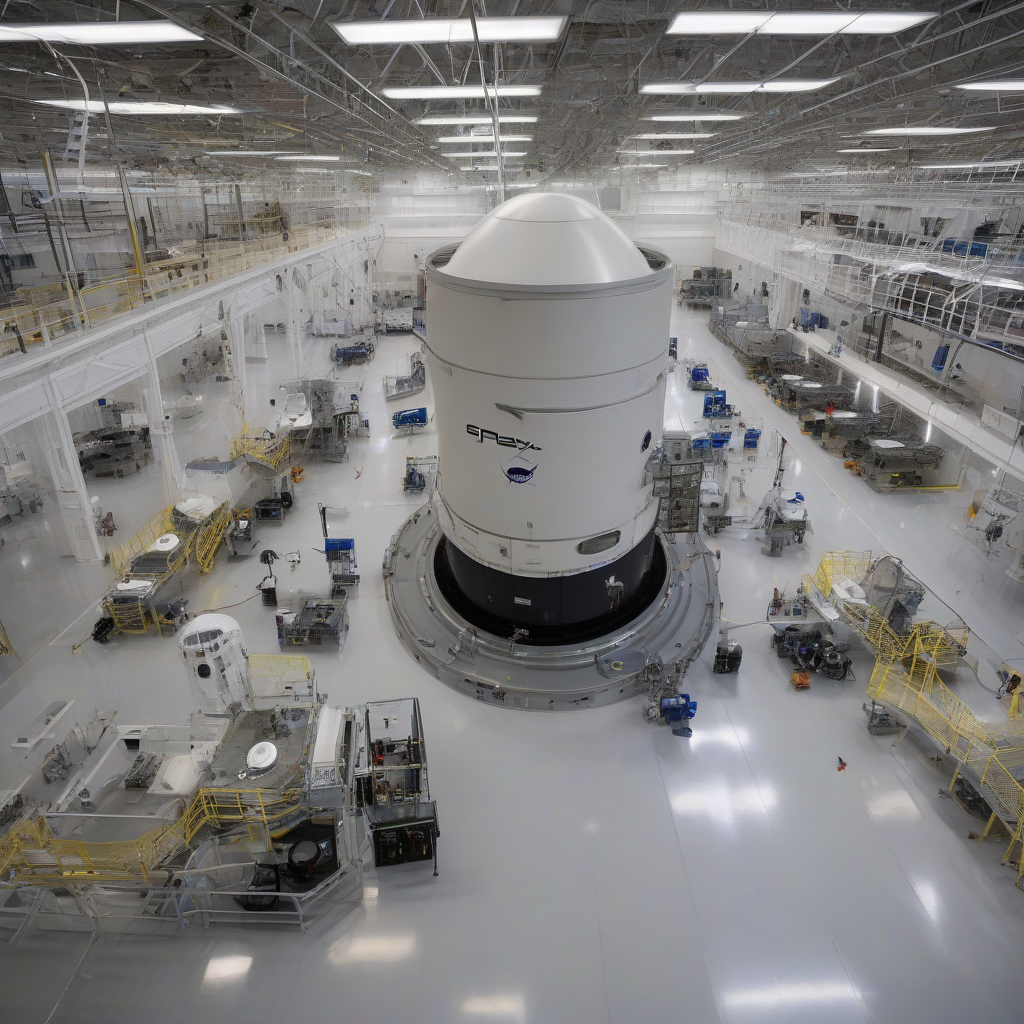
SpaceX has reached a significant milestone in its Starship development program, as CEO Elon Musk announced that the company has effectively solved the persistent engineering issues surrounding the vehicle's heat shield. According to Teslarati, Musk confirmed during the company’s recent earnings call that technical obstacles regarding the thermal protection system have been cleared, allowing the focus to shift toward rapid reusability.
The Starship heat shield is composed of approximately 18,000 hexagonal ceramic tiles designed to protect the upper stage's stainless-steel frame from temperatures reaching several thousand degrees Celsius during atmospheric reentry. While early test flights faced setbacks due to tile detachment caused by vibration and aerodynamic stress, iterative design changes and improved attachment methods have stabilized the system.
Evidence of this progress was confirmed during Flight 13 on July 24, 2026. During this mission, the spacecraft, identified as Ship 40, executed a deliberately rigorous flight profile to test the durability of the thermal shielding under high dynamic pressure. The mission also successfully deployed 20 operational Starlink V3 satellites, marking the first time the Starship platform has carried an active payload.
| Feature | Specification |
|---|---|
| Heat Shield Components | ~18,000 hexagonal ceramic tiles |
| Flight 13 Launch Date | July 24, 2026 |
| Vehicle ID | Ship 40 |
| Satellite Payload | 20 Starlink V3 satellites |
Why It Matters
The resolution of the heat shield issue is a foundational requirement for the commercial viability of the Starship program. By moving past the labor-intensive inspection and replacement cycles that historically constrained the Space Shuttle, SpaceX is positioning itself to achieve the rapid turnaround times necessary for sustainable interplanetary travel and low-cost orbital cargo delivery. This transition from a test-heavy research phase to an operational payload-carrying phase signals that the private sector is closer to realizing a fully reusable heavy-lift launch vehicle, which could drastically reduce the per-kilogram price of orbital deployment for both private and public space agencies.
Development data collected from Flights 10–12 helped refine these systems, ensuring the vehicle can withstand the extreme plasma flows encountered during descent without requiring extensive maintenance between missions.
Reader Discussion & Insights