
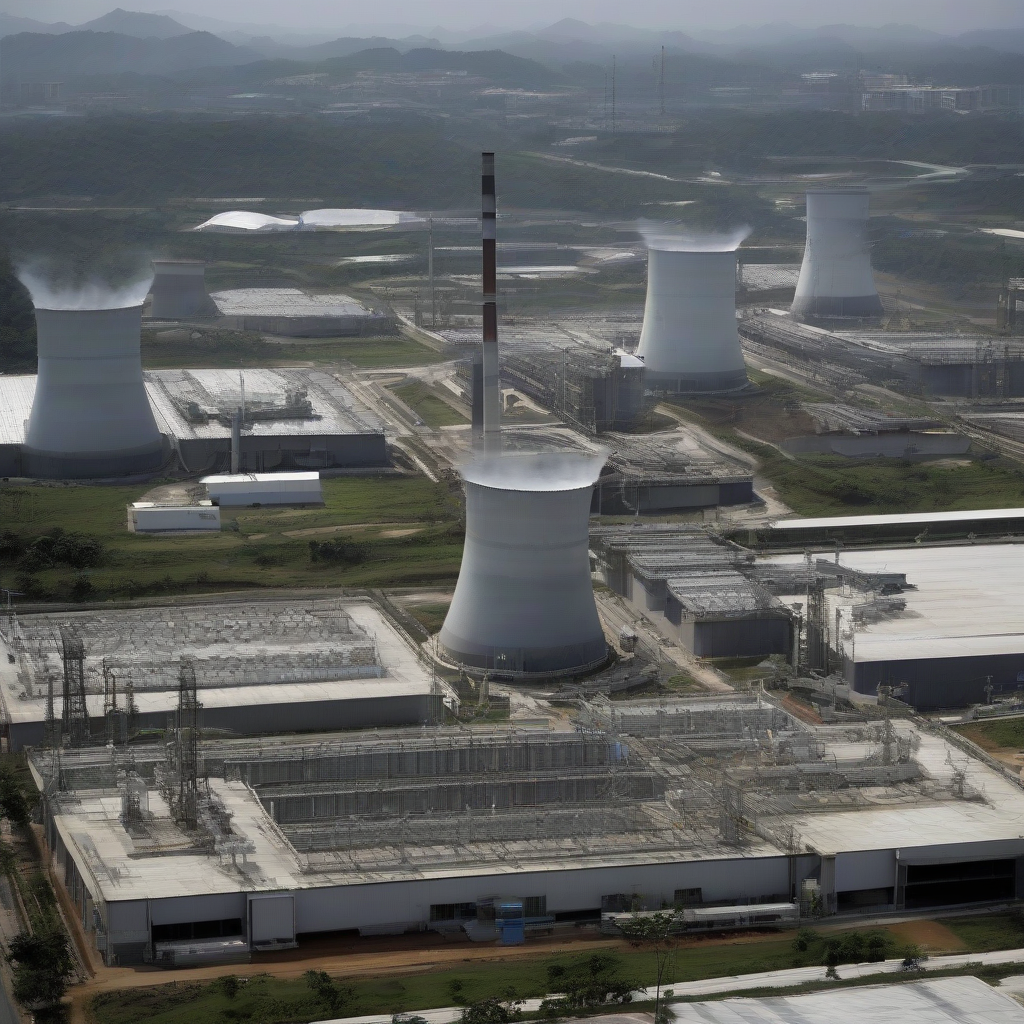

According to OilPrice.com, Southeast Asian nations are struggling to meet their targets for expanding gas-fired electricity generation, with project timelines and costs coming under significant pressure. The region's ambition to utilize natural gas as a bridge fuel to replace coal is currently hampered by supply chain disruptions, unpredictable pricing, and fuel availability issues.
Data from the energy consultancy Wood Mackenzie indicates that six primary economies—Indonesia, Malaysia, Vietnam, Singapore, Thailand, and the Philippines—are on track to deliver only one-third of their combined planned gas-fired power capacity. These complications threaten to push back project completion dates by several years, creating a potential gap in the region's energy security efforts.
| Country | Status of Planned Gas-Fired Capacity |
|---|---|
| Indonesia | Falling short of project delivery |
| Malaysia | Falling short of project delivery |
| Vietnam | Falling short of project delivery |
| Singapore | Falling short of project delivery |
| Thailand | Falling short of project delivery |
| Philippines | Falling short of project delivery |
Total delivery of planned gas-fired power capacity for these nations is limited to approximately one-third of the initial objectives. The volatility inherent in global gas markets has made long-term energy planning increasingly difficult for these developing nations, which are simultaneously trying to balance economic growth with environmental commitments.
Why It Matters
The failure to bring gas-fired capacity online at the projected pace creates a dual risk for Southeast Asia. First, it forces a continued reliance on coal-fired power plants, which undermines regional decarbonization goals. Second, the energy deficit risks raising industrial electricity tariffs, which could erode the competitive advantage of these manufacturing hubs. This situation shifts the burden onto governments to either subsidize energy costs or accept slower industrial expansion, highlighting the fragility of energy transitions that rely heavily on imported liquefied natural gas (LNG).
Reader Discussion & Insights