
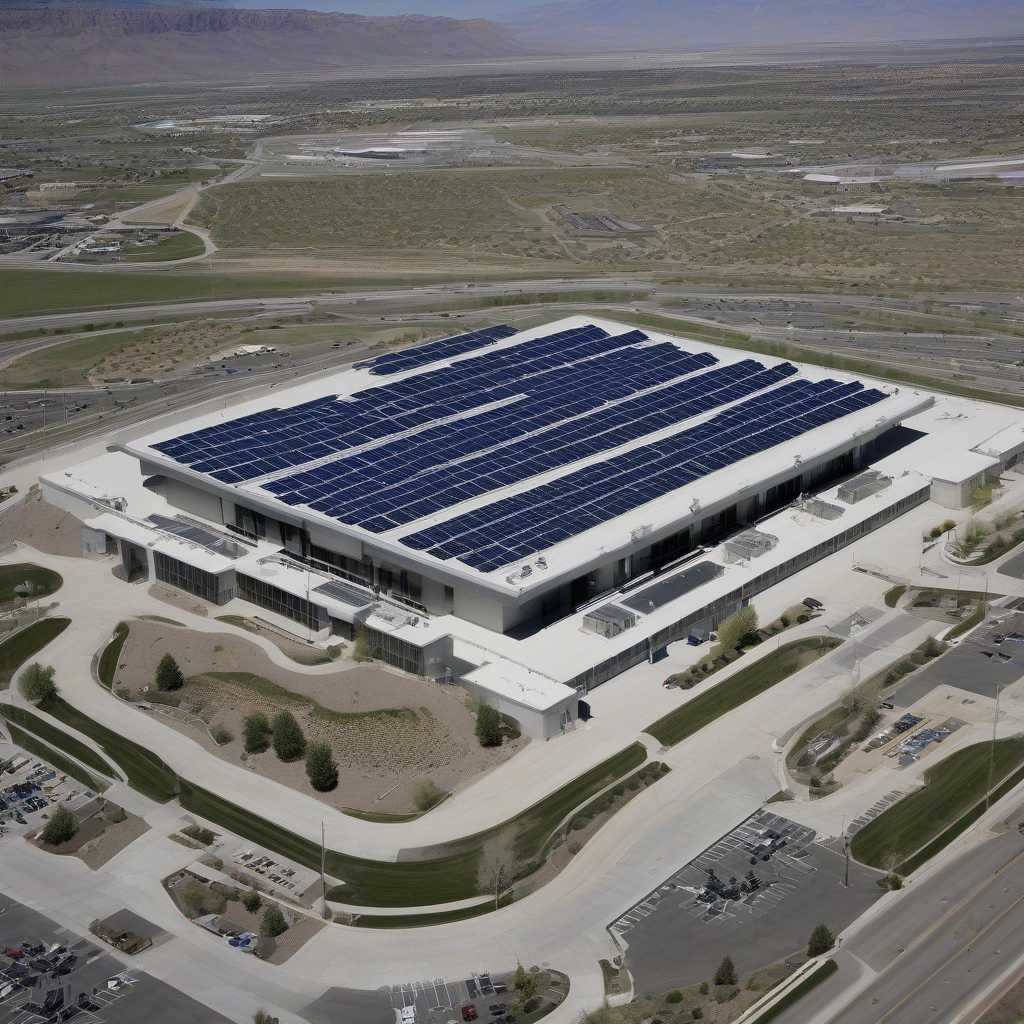
For the first time in state history, solar power generation overtook all other electricity sources in Utah during the month of May, according to Renewable Energy. This development marks a transition in the state’s utility-scale production, highlighting a shift in how the regional grid manages energy assets during spring months.
Electricity Generation Milestones
While traditional baseload power, including coal and natural gas, has historically maintained a dominant share of Utah's generation portfolio, the performance in May represents an adjustment in production dynamics. Utility-scale solar assets performed at high capacities, benefiting from ideal meteorological conditions that occur before the peak heat of mid-summer.
| Energy Category | Performance Status |
|---|---|
| Leading Source | Solar (May) |
| Historic Context | First time recorded |
| State | Utah |
Official state utility regulators typically track these metrics to ensure that grid reliability remains stable as the penetration of intermittent renewable resources increases. The data reflects a trend of significant capital investment into photovoltaic infrastructure across the Western United States.
Why It Matters
The ascent of solar to the number one spot in Utah’s energy mix signals a fundamental change in seasonal grid dependency. For decades, Western state power grids relied heavily on dispatchable thermal generation. Now, the integration of large-scale solar arrays allows for reduced reliance on fossil fuels during periods of moderate demand. This shift necessitates increased investment in long-duration energy storage and modernized transmission infrastructure to manage excess daytime generation, preventing curtailment while ensuring that energy reliability is maintained once the sun sets. Policymakers must now address the challenge of balancing this surplus with nighttime baseload requirements.
Reader Discussion & Insights