
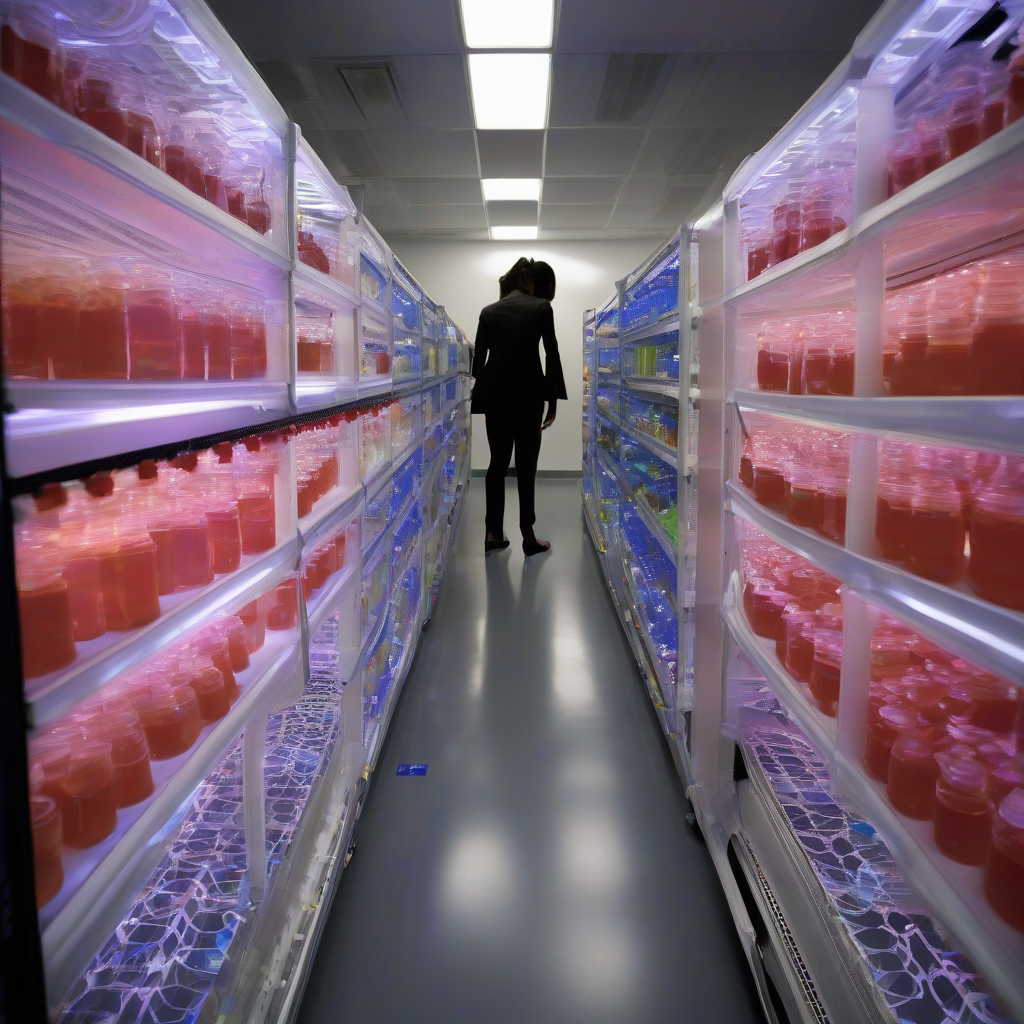

Researchers have engineered a sophisticated hydrogel-based packaging solution designed to alert consumers to bacterial contamination in meat products, according to Phys.org. This innovation addresses the discrepancy between the visual appearance of packaged protein and its actual microbial safety profile, offering a proactive approach to food security.
Traditional plastic film packaging provides a barrier against contaminants but remains inert regarding the biological state of the product contained within. The newly developed smart hydrogel utilizes chemical sensors integrated into the packaging material to identify metabolic byproducts associated with food decay. As bacteria proliferate within a sealed container, the hydrogel reacts to volatile organic compounds or changes in acidity, providing a visual indicator of spoilage before the seal is broken.
While current regulatory frameworks overseen by bodies like the Food and Drug Administration (FDA) and the European Food Safety Authority (EFSA) rely heavily on 'use-by' or 'sell-by' dates, these guidelines do not always reflect actual storage conditions or temperature fluctuations throughout the supply chain. The introduction of smart packaging represents a shift toward dynamic, condition-based monitoring of perishable goods.
Why It Matters
The adoption of smart packaging technology could drastically alter the economics of grocery retail and supply chain management. By moving away from arbitrary expiration dates, retailers can potentially minimize inventory shrinkage while consumers gain verifiable information regarding food safety. This shift forces a reduction in unnecessary food waste, which currently impacts global sustainability targets. Furthermore, the integration of sensors into thin-film packaging provides a scalable solution for high-volume logistics, reducing the rate of foodborne illnesses associated with spoiled retail meat products.
| Feature | Conventional Packaging | Smart Hydrogel Packaging |
|---|---|---|
| Data Availability | Static / Printed Dates | Real-time microbial status |
| Sensitivity | None | Detects bacterial byproducts |
| Consumer Benefit | Minimal | Prevents potential consumption of spoiled meat |
Reader Discussion & Insights