
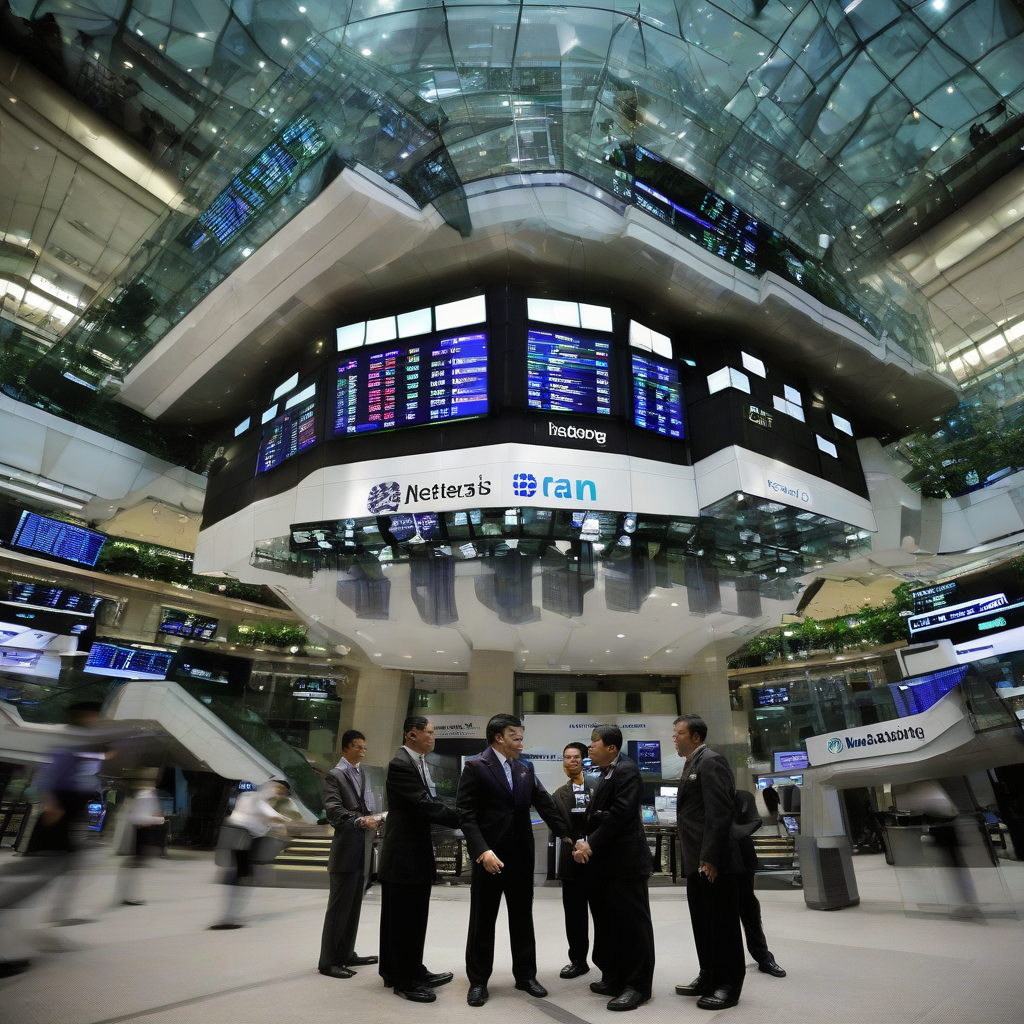

The Singapore exchange has experienced a significant upturn in activity, with initial public offering (IPO) volume increasing 3.5 times, according to NASDAQ. This surge in market participation has been accompanied by more than $3 billion in new capital raised, marking a distinct shift in the region's equity capital market performance.
Driving this growth are targeted regulatory and structural reforms aimed at enhancing the bourse’s appeal. Specifically, the introduction of a dual listing bridge between Singapore and NASDAQ has played a key role in the uptick. These adjustments have contributed to a 14% increase in overall exchange revenue, reflecting successful efforts to capture regional and international investor interest.
Market Performance Metrics
| Indicator | Result |
|---|---|
| IPO Listing Increase | 3.5x |
| Total Capital Raised | Over $3 billion |
| Exchange Revenue Growth | 14% |
These data points, cited according to NASDAQ, underscore the efficacy of aligning local listing requirements with global standards. By facilitating smoother transitions for companies seeking cross-border visibility, the Singapore exchange has managed to arrest stagnant trends that previously hindered regional liquidity. Market participants are now observing how these structural changes align with broader goals to compete with other major Asian financial hubs. The increase in revenue suggests that the exchange’s fee structures and dual-listing accessibility are providing a competitive advantage for firms looking to tap into both local and international capital pools.
Why It Matters
The revitalization of the Singapore IPO market serves as a benchmark for smaller financial centers attempting to combat global liquidity concentration. By utilizing a dual-listing bridge with major platforms like NASDAQ, the exchange avoids the 'isolation trap' often faced by regional markets. This model demonstrates that domestic regulatory shifts, when paired with strategic international partnerships, can successfully mitigate capital flight. For global investors, this provides a more accessible gateway into Southeast Asian growth while maintaining the high regulatory standards associated with established U.S. markets.
Reader Discussion & Insights