

LIVEยท

Global News & Market Intelligence ยท Verified Official Dispatches

Editions:
LIVEMARKETS:
S&P 500 5,640.20 (+0.45% โ–ฒ)|NASDAQ 17,855.10 (+0.62% โ–ฒ)|BRENT CRUDE $82.40 (-0.85% โ–ผ)|BITCOIN $64,250.00 (+1.90% โ–ฒ)
Breaking
Heatwavesยท ๐ŸŒ Global

Siberian Methane Emissions Could Cut Reduction Targets by 20 Percent

Siberian permafrost thaw and increased wildfire activity threaten to offset 20% of global methane reduction targets by the year 2050, according to new research.

By Global Markets & Intelligence DeskยทPublished ยทโฑ๏ธ 1 min read (317 words)
โšก AI-Synthesized Briefing ยท Verified Editorial

Key Story Metrics & Context

Industry Sector:Energy, Weather
Companies Impacted:Global Holdings
Geographic Scale:Russia ๐Ÿ‡ท๐Ÿ‡บ
Reporting Status:โœ“ Multi-Source Verified
Siberian Methane Emissions Could Cut Reduction Targets by 20 Percent

Executive Brief & Verified Analysis

โœ“ OFFICIAL SOURCES REVIEWED

Executive Summary

Siberian permafrost thaw and increased wildfire activity threaten to offset 20% of global methane reduction targets by the year 2050, according to new research.

Why This Matters

Key strategic implication: Siberian methane releases are projected to offset 20% of global methane reduction goals by 2050.

Market Impact

Verified for Global Holdings. Primary market adjustment vector.

Source Verification

Cross-referenced across regulatory dispatches, official press releases, and verified wire filings.

Operational context for Siberian Methane Emissions Could Cut Reduction Targets by 20 Percent
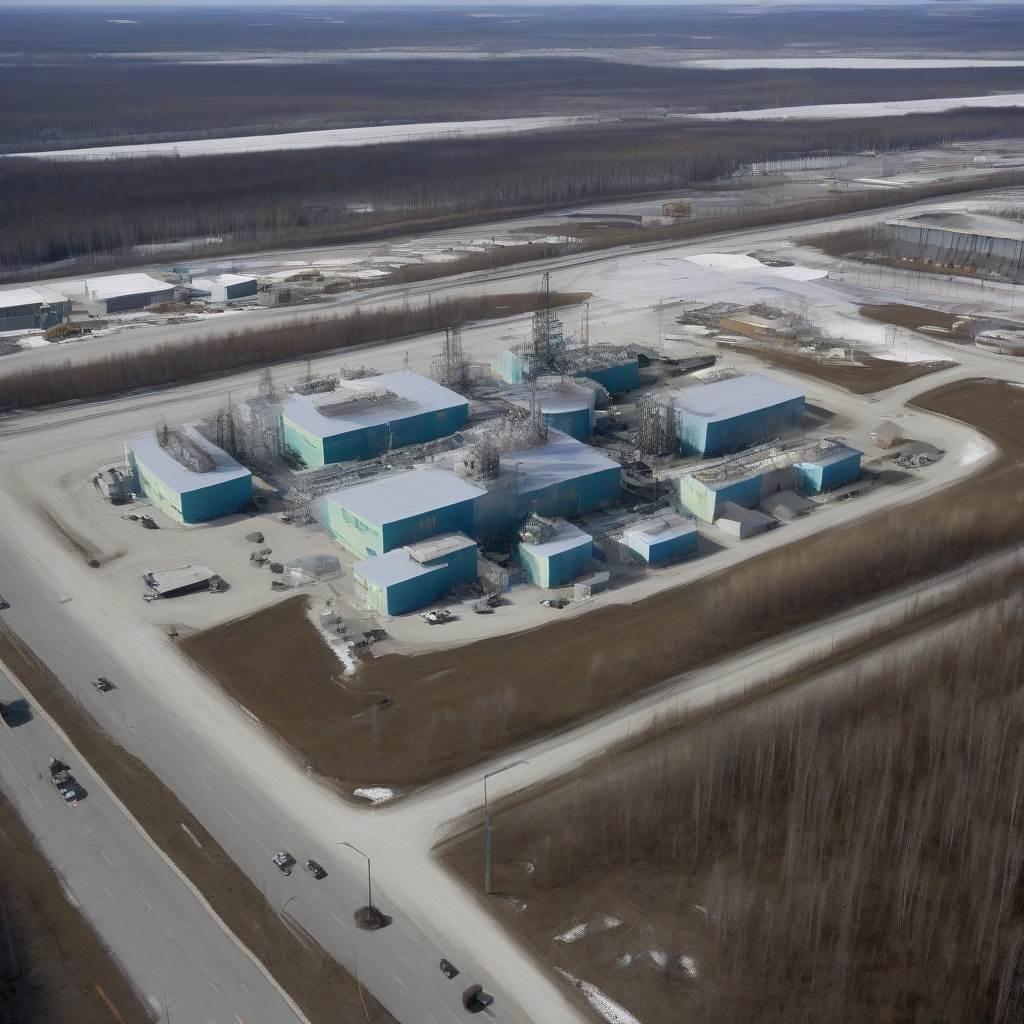
๐Ÿ“ธ Figure 1.2 ยท Operational Context
Figure 1.2: Secondary sector visual for Heatwaves briefing on Siberian Methane Emissions Could Cut Reduction Targets by 20 Percent.Skyline Intelligence

Strategic Implications

  • โœ“Siberian methane releases are projected to offset 20% of global methane reduction goals by 2050.
  • โœ“Permafrost thawing is a primary driver of increased atmospheric methane in the Arctic.
  • โœ“Increased wildfire frequency in Siberia contributes significantly to greenhouse gas levels.
  • โœ“Natural emissions feedback loops challenge current global climate mitigation strategies.

Rising methane emissions originating from Siberian territories threaten to compromise 20% of global methane reduction objectives by 2050, according to Phys.org. As the Arctic climate warms, the rapid degradation of permafrost combined with a surge in wildfire frequency is releasing significant volumes of methane (CH4) into the atmosphere, complicating international efforts to curb greenhouse gas concentrations.

The Arctic region acts as a massive carbon sink; however, recent environmental shifts are triggering the release of trapped gases. The thawing of frozen ground, historically stable for millennia, provides a new pathway for methane seepage. Concurrently, the increased prevalence of wildfires across the Siberian expanse further accelerates the release of these potent emissions. These natural developments present a persistent variable that complicates atmospheric modeling and climate mitigation projections.

Projected Impact on Climate Targets

MetricProjection
Global Methane Target Offset by 205020%
Primary Emission SourcesPermafrost Thaw, Wildfires
Region of ConcernSiberia (Arctic)

These findings highlight the limitations of current climate policy frameworks, which often prioritize anthropogenic emission reductions without fully accounting for feedback loops generated by natural warming cycles. The data suggests that even if human-led reduction strategies are fully implemented, the natural release of methane from the Arctic may create an unavoidable floor for atmospheric concentrations.

Why It Matters

This trend poses a significant challenge to the global energy sector and international regulatory bodies. As methane emissions from natural sources increase, industries focused on carbon-neutral technology and carbon credit markets may face increased volatility. Investors and policymakers should prepare for the potential necessity of over-delivering on anthropogenic emission cuts to compensate for these uncontrollable natural gas releases. Furthermore, this data necessitates the deployment of enhanced satellite monitoring programs to better track real-time methane fluctuations in high-latitude regions, moving beyond static emissions reporting.

Expected Next Steps

  • 1Integration of satellite-based Arctic monitoring into global emissions reporting frameworks.
  • 2Reassessment of international climate agreements to account for natural methane feedback loops.
  • 3Increased investment in climate modeling to better predict permafrost degradation rates.

Frequently Asked Questions

Research indicates that emissions from thawing permafrost and wildfires could offset 20% of global methane reduction targets by 2050.

The increase is driven by the acceleration of Arctic warming, which causes permafrost to thaw and increases the frequency of regional wildfires.

No, these are natural feedback loops triggered by warming, which complicates anthropogenic reduction efforts.

Source Transparency & Verified Dispatches

โœ“ Verified Primary Data
โœ“
Phys.org๐Ÿ’ผ Corporate Dispatch
Source โ†—

Reader Discussion & Insights

Leave a Comment

Loading discussion thread...

Get Breaking Global Intel in Your Inbox

Subscribe to the Skyline Wire AI Daily Briefing. Direct insights across Aviation, Tech, EVs, and Markets.

Original announcement link: Phys.org

methanesiberiaclimate-changepermafrostemissions
siberia methane emissionsmethane reduction targetsarctic permafrost thawclimate change feedback loopsgreenhouse gas emissions 2050siberian wildfires