
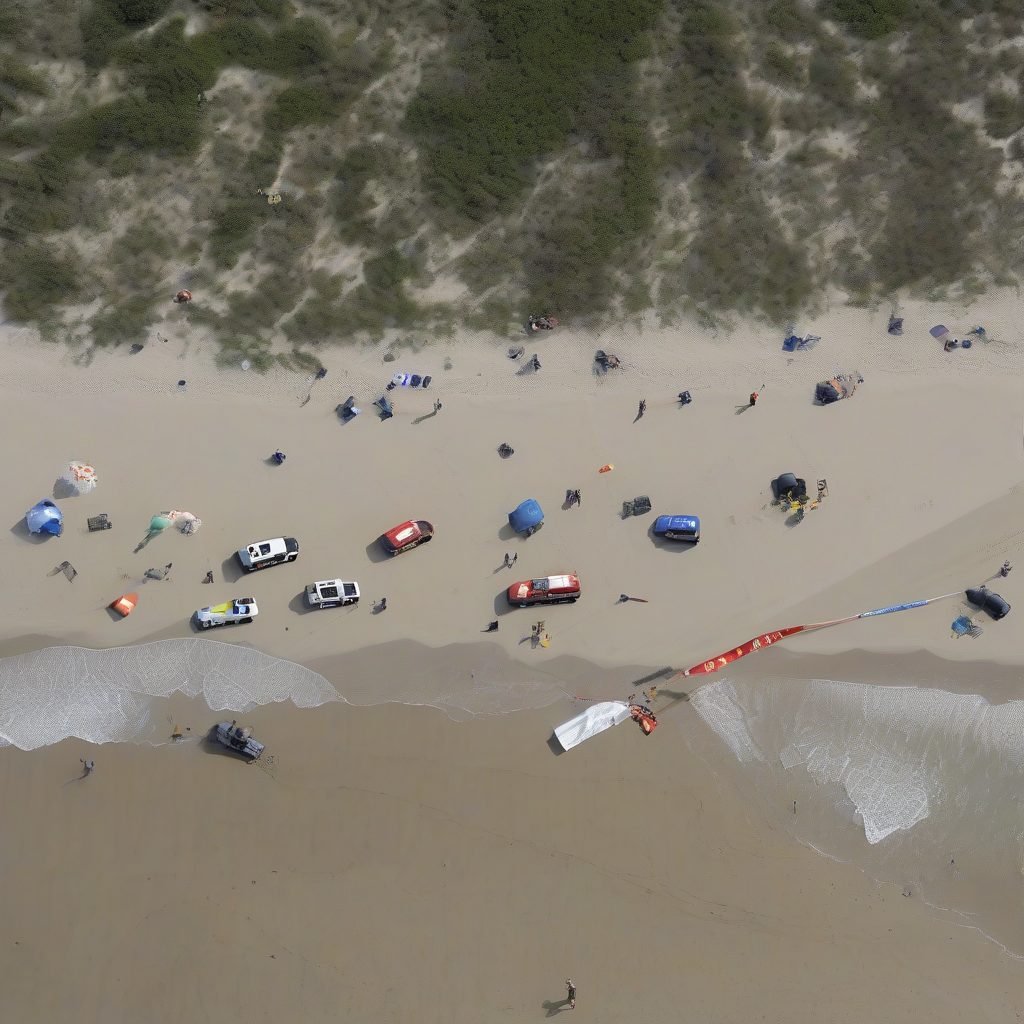
A tragic incident occurred on Monday in the village of Arkhipo-Osipovka, near Gelendzhik, where a projectile struck a crowded beach, resulting in the deaths of seven individuals, including four children, according to Fox News — World. The event, which left dozens of others injured, prompted an immediate response from emergency and special services at the scene. Regional Governor Veniamin Kondratyev categorized the occurrence as a targeted attack against civilians.
Incident Data Summary
| Category | Recorded Figure |
|---|---|
| Total Fatalities | 7 |
| Child Fatalities | 4 |
| Location | Arkhipo-Osipovka, Russia |
| Reported Context | Alleged drone strike/debris fall |
Russian authorities, including the Russian Mission in Geneva, have characterized the event as a "bloody attack" conducted by Ukraine, accusing Kyiv of specifically targeting civilian infrastructure. Official statements from regional leadership suggested that the victims had no connection to military targets. However, the sequence of events remains subject to intense debate. Andriy Kovalenko, an officer with Ukraine’s Defense Forces, offered a contrasting account, asserting that the casualties were the result of Russian air defenses intercepting a drone over the beach, causing debris to fall onto the crowded area.
Video footage from the scene appears to show a drone veering sharply before a fireball explosion, following sounds that observers described as gunfire. This incident occurs against a backdrop of wider aerial activity, with reports noting that Ukraine has recently engaged in large-scale drone operations, including one instance involving more than 400 drones near Moscow. Ukrainian officials maintain that their military strikes are aimed exclusively at industrial infrastructure intended to impact Moscow’s ability to finance ongoing operations. Conversely, Moscow continues to emphasize that defensive measures are necessary for public safety.
Why It Matters
This incident highlights the mounting risks to civilian life as military conflict increasingly intersects with tourism and public infrastructure. For the global aviation and tourism sectors, such events underscore the unpredictability of transit safety within conflict zones. As air defense systems are deployed closer to high-density population centers, the likelihood of collateral damage from intercepted munitions increases. This situation forces travel insurers and risk analysts to re-evaluate the safety protocols for coastal resorts near active conflict zones, potentially impacting regional travel demand and future infrastructure investment in the Black Sea area.
Reader Discussion & Insights