
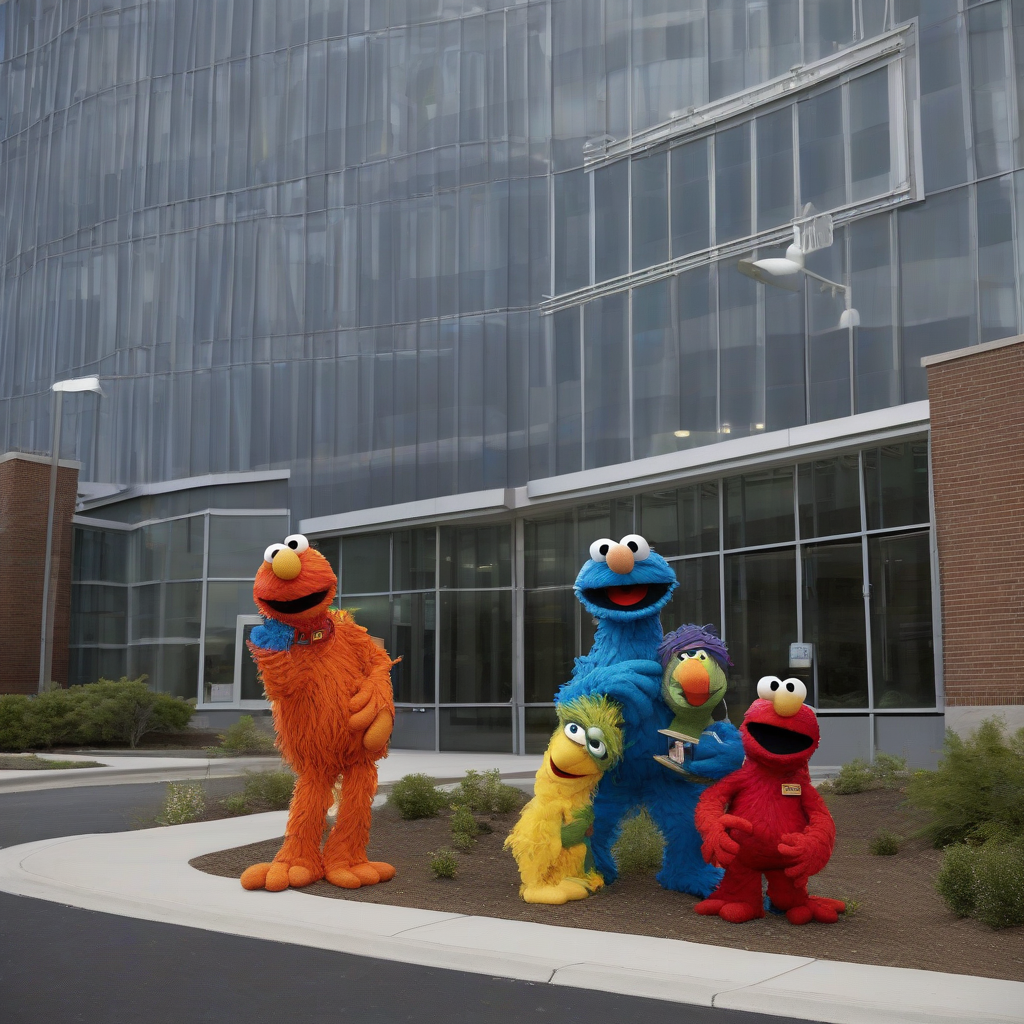
On Aug. 3, the children’s television program Sesame Street debuted a new special titled Storm on Sesame Street. According to TIME, the production aims to assist young viewers in understanding extreme weather as these meteorological events occur with increased frequency. The episode depicts characters Elmo and his father engaging in preparedness activities, such as distributing food and water to neighbors, while addressing the emotional impact of weather-related disruption.
Joseph Giraldi, chief operating officer of Sesame Workshop, noted that the Extreme Weather response initiative is intended to provide resources for families to process the disruption caused by severe climate events. The initiative includes year-round outreach, digital resources, and content designed to help children regain a sense of stability following damage to their communities.
| Event/Metric | Detail |
|---|---|
| Release Date | Aug. 3 |
| Initial Extreme Weather Episode | 2001 (Sesame Street Gets Through a Storm) |
| Projected Weather Disparity | Children born in 2020 may face 7x more events than those born in 1960 |
| Household Impact | 1 in 5 Americans forced to evacuate homes (Oct. 2024 poll) |
Samantha Harrington, director of audience experience for Yale Climate Connections, emphasized the necessity of planning. She noted that high-stress emergency situations can impair human decision-making, making pre-established emergency kits and plans vital for ensuring safety.
This is not the first instance of the show addressing environmental challenges. In 2001, the program aired Sesame Street Gets Through a Storm, which centered on Big Bird rebuilding his nest after a hurricane. That episode was later rebroadcast following Hurricane Katrina and Hurricane Sandy. Data from the United Nations confirms a consistent increase in climate-related disasters throughout the 21st century.
Why It Matters
The integration of disaster preparedness into early childhood educational content highlights a transition in how media organizations address environmental volatility. By standardizing the discussion of evacuation and property loss for children, content creators are acknowledging that climate volatility is a permanent component of long-term risk management. For stakeholders in education, child psychology, and emergency management, this trend reflects a broader shift toward societal adaptation. As the frequency of these events rises, the focus moves from mitigation awareness to behavioral training for survival and community resilience starting at a developmental level.
Reader Discussion & Insights