
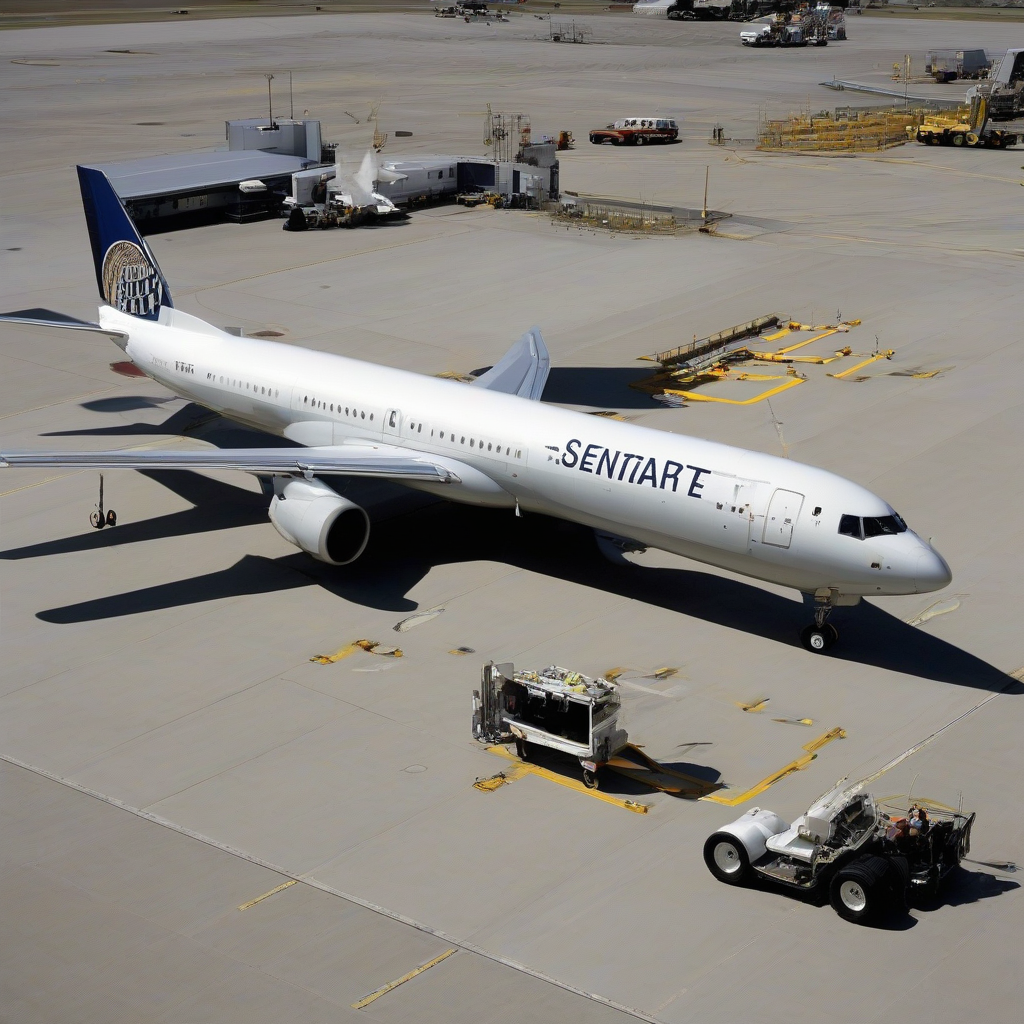
A bipartisan group of U.S. Senators has unveiled legislation intended to bolster safety on airport movement areas following a recent uptick in surface incidents. According to AVweb, the Runway Surface Awareness and Focused, Effective Training and Technology (Runway SAFE-T) Act was introduced Tuesday by Sens. Jerry Moran (R-Kan.) and John Hickenlooper (D-Colo.).
The proposed measure seeks to address persistent safety concerns, including a March incident at LaGuardia Airport where a commercial airliner collided with a ground-based fire truck. Data presented by Sen. Hickenlooper highlights the urgency of the issue, noting that more than 500 runway incursions have been recorded so far this year. The legislation mandates that the FAA convene a task force to evaluate current driver training protocols and establish best practices for vehicles operating within movement areas. This panel will include representatives from the NTSB, airports, emergency response agencies, and vehicle operators, with a requirement to deliver recommendations to the FAA within one year.
Proposed Regulatory Framework
| Feature | Provision Details |
|---|---|
| Legislation Name | Runway SAFE-T Act |
| Primary Objective | Reducing runway incursions |
| Task Force Deadline | 1 year from enactment |
| Funding Source | FAA Airport Safety and Resilient Infrastructure Discretionary Program |
| Key Stakeholders | FAA, NTSB, Airport Operators, Emergency Services |
Under the bill, the FAA is authorized to permit airports to utilize funding from the Airport Safety and Resilient Infrastructure Discretionary Program to acquire new technologies meant to enhance situational awareness for ground crews. This legislative effort follows a June Senate aviation subcommittee hearing where lawmakers scrutinized trends in National Airspace System safety.
Numerous industry entities have voiced support for the bill, including the Airports Council International–North America, the General Aviation Manufacturers Association, the Professional Aviation Safety Specialists union, the Air Medical Operators Association, and the Air Traffic Control Association. These organizations emphasize that a coordinated approach involving enhanced training and modern technology is necessary to mitigate the risk of surface conflicts.
Why It Matters
The Runway SAFE-T Act highlights a growing tension between the operational demands of high-traffic airports and the limitations of legacy ground-vehicle safety systems. Beyond the immediate policy goal, the legislation signals a shift in how federal regulators view "ground-side" risk. By formalizing a cross-industry task force, the government is acknowledging that existing FAA protocols may no longer be sufficient for the complexities of modern airport environments. If passed, this would likely accelerate the adoption of vehicle-tracking software and collision-avoidance sensors across smaller regional hubs that currently lack the capital to invest in advanced surface safety infrastructure independently.
Reader Discussion & Insights